A Laos trip budget depends less on one “average daily cost” and more on your route, travel pace, accommodation standard, and transport choices. The most reliable approach is to separate pre-booked expenses—such as flights, hotels, travel insurance, and visas—from flexible daily spending on food, local transport, and activities.

Backpackers can prioritize guesthouses, local meals, and shared transport, while couples may find that a centrally located hotel or private transfer improves the overall trip experience.
Costs can vary noticeably between Vientiane, Luang Prabang, Vang Vieng, and smaller rural stops. Booking comparisons early is especially useful during busy travel periods, when rooms and transport availability may be limited.
Keep some flexibility in both your schedule and cash plan, as road journeys can take longer than expected.
Laos Trip Costs at a Glance
- Your itinerary is the biggest budget driver: multi-stop routes usually add transport time, transfers, and overnight stays.
- Book major fixed costs early: accommodation, regional flights, travel insurance, and selected guided tours are easier to compare before departure.
- Carry a practical cash plan: card acceptance and ATM access can be more limited outside major cities and tourism hubs.
| Travel Style | Accommodation Approach | Transport Choice | Food and Activities | Best For |
|---|---|---|---|---|
| Backpacker | Guesthouses and simple rooms | Buses, rail where suitable, shared vans | Market meals and selective self-guided sightseeing | Flexible travelers focused on keeping daily spending low |
| Mid-range | Well-reviewed hotels in convenient areas | Mix of shared transport and selected upgrades | Restaurant meals, coffee stops, and a few organized activities | Couples and independent travelers balancing comfort and value |
| Comfort-Focused | Boutique hotels, resorts, or larger rooms | Flights, private transfers, or private drivers where useful | Curated tours and flexible dining choices | Shorter trips where time, convenience, and reliability matter most |
What a Laos Trip Typically Costs at a Glance
Fast Budget Frameworks for Different Travel Styles
Rather than relying on a single daily figure, build your Laos travel budget around lodging, intercity transport, food, activities, and access to cash. A backpacker-style plan often favors simple guesthouses, local eating, and shared vehicles. A mid-range plan commonly adds a better hotel location, occasional taxis or transfers, and guided experiences. A comfort-focused trip can include boutique stays, private transport, and tours designed around convenience.
Your actual total will depend on dates, availability, route, and booking timing. High-demand travel periods, holidays, and short-notice bookings can raise costs across several categories at once.
Costs to Book Before Arrival and Costs to Pay Locally
Pre-trip costs may include international or regional flights, accommodation, travel insurance, eSIM service, visa-related expenses, and key tours. These are usually the easiest items to compare in advance because cancellation rules, baggage policies, room location, and operator inclusions can differ.
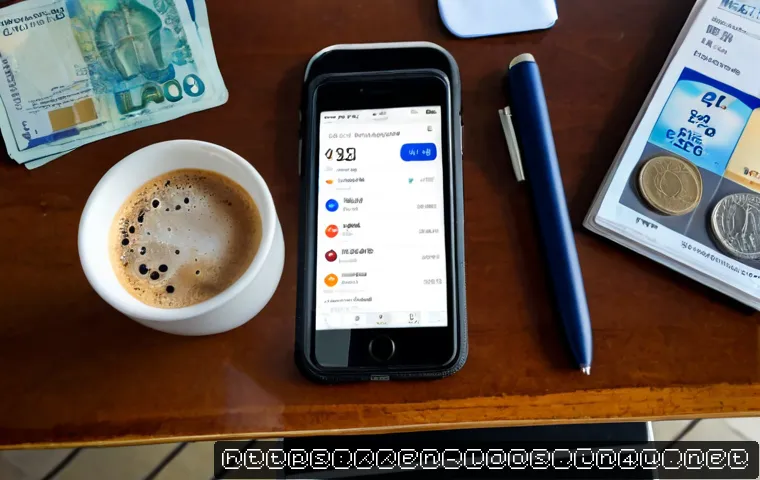
Food, drinks, small purchases, short local rides, and some activities may be paid locally. Laos uses the Lao kip (LAK), though Thai baht and US dollars may also appear in some tourism-related transactions. Check accepted payment methods before assuming a card will work.
Why Itinerary Length Changes the Total
A longer itinerary does not simply mean multiplying a daily budget by more days. Every destination change can add transport tickets, transfer costs, meals in transit, and sometimes an extra night of accommodation. A slower route may be enjoyable, but it needs a realistic allowance for travel days that take longer than map distances suggest.
Compare the Main Spending Categories Before You Book
Accommodation: Guesthouses, Boutique Hotels, Resorts, and Location
The cheapest room is not automatically the best-value option. Consider walkability, luggage access, air conditioning, breakfast, Wi-Fi expectations, and distance from transport points. In Luang Prabang or Vientiane, a central stay may reduce the need for repeated local transport. In smaller towns, location can affect how easily you can find food, tours, and cash access.
Compare before booking: check the room type, cancellation terms, map location, recent property details, and whether the rate includes the amenities you actually need.
Getting Around: Buses, Rail, Flights, Vans, Boats, and Private Transfers
Buses and shared vans can suit travelers with flexible schedules and light luggage. Rail can be worth considering on applicable routes when timing and station transfers work for your itinerary. Flights may be more attractive when a short trip has limited time. Boats can be part of the experience on certain routes, while a private transfer or driver can make sense for couples, families, or small groups sharing the cost.
Do not compare transport by ticket price alone. Include hotel-to-station transfers, waiting time, luggage needs, route reliability, and the value of arriving with enough time to enjoy the destination. Confirm that a specific service is operating for your travel date, especially when weather, road conditions, or local events may affect schedules.
Food, Coffee, Drinks, and Dining Areas
Local markets and everyday restaurants can help keep flexible spending controlled, while tourist-oriented areas may offer more familiar menus and different dining environments. Your food budget will reflect how often you choose cafés, hotel breakfasts, sit-down restaurants, drinks, and packaged snacks during long travel days.
A practical approach is to leave room for both: simple meals on transit days and a few planned dining experiences in places where you want to slow down.
Tours and Activities: When Organized Services Add Value
Guided tours can be useful when logistics are complicated, access is limited, or you prefer local context instead of arranging every detail alone. They may also simplify pickup arrangements and timing for travelers with a short Laos itinerary. Self-guided sightseeing can be a better fit when sites are close together and you are comfortable adapting your plans.
Before choosing an activity operator, compare what is included, pickup arrangements, group size, timing, safety information, and cancellation conditions. A lower advertised price may not include transfers, entry costs, equipment, or meals.
Travel Insurance, eSIMs, ATM Fees, and Missed Costs
Travel insurance is a separate planning decision, not just an add-on at checkout. Compare coverage conditions, exclusions, medical support arrangements, trip disruption terms, and the activities you expect to do. If hiking, river activities, or motorbike travel are part of your plan, read the policy details carefully rather than assuming coverage applies.
An eSIM can make arrival logistics easier by supporting maps, accommodation messages, and transport updates. Also plan for exchange-rate differences, ATM withdrawal limits, foreign transaction fees, and possible merchant card surcharges. These details vary by bank, card, location, and current conditions.
Build a Daily Budget That Matches Your Travel Style
Low-Cost Itinerary Priorities and Compromises
A low-cost Laos itinerary works best with fewer destination changes, simple accommodation, local meals, and shared transport. The main compromise is usually time: cheaper transport can require earlier departures, longer journeys, and less control over pickup or arrival timing. Keep a buffer for unexpected schedule changes rather than booking every connection too tightly.
Mid-Range Comfort: Where Extra Spending Saves Stress
For many independent travelers and couples, the strongest value comes from spending selectively. A hotel in a practical location, a room with reliable comfort features, and one or two upgraded transfers can reduce friction without turning the whole trip into a premium itinerary. This approach is particularly useful when moving between Vientiane, Vang Vieng, and Luang Prabang.
Higher-Comfort Travel: Convenience and Curated Experiences
Comfort-focused travel often prioritizes private drivers, flights where appropriate, premium stays, and guided experiences with clear arrangements. This can be worthwhile on a short trip, when travel days are limited, or when luggage, mobility, or privacy are important. Compare private transfer options by vehicle type, pickup terms, waiting policy, and whether stops are included.
Avoid Common Laos Budget Mistakes
Underestimating Travel Time Between Destinations
Road journeys can be slower than expected because of terrain, road conditions, and route schedules. Avoid planning an important tour, flight, or hotel check-in immediately after a long overland transfer unless you have a realistic time buffer.

Choosing the Cheapest Room Without Checking Details
Review location, access, room configuration, and property policies before paying. A low room rate can lose its advantage if it creates repeated transport costs or does not suit your arrival time and luggage needs.
Relying Only on Cards
International card acceptance and ATM availability may be less consistent outside larger cities and tourist centers. Keep more than one payment option where possible, and do not assume the same access you would have in a major regional capital.
Forgetting Visa, Insurance, Baggage, and Transfer Costs
Visa eligibility, entry rules, fees, and permitted stay length can depend on nationality, arrival method, and current regulations. Baggage rules, airport transfers, and insurance can also affect the final cost. Confirm each item through official or provider-specific information before booking non-refundable travel.
Cost Planning by Route and Trip Type
Vientiane City Break Versus a Multi-Stop Northern Route
A Vientiane-focused trip can be simpler because it involves fewer long-distance transfers. A northern itinerary that includes Luang Prabang and other stops can offer more variety, but it also requires a stronger transport plan and more contingency time. The added value may be worth it, but the total should include every movement between destinations.
Luang Prabang Cultural Travel Versus Vang Vieng Activity Travel
Luang Prabang planning may focus more on accommodation location, cultural visits, and guided day trips. Vang Vieng can shift spending toward outdoor activities, transfers, and weather-dependent plans. Build room into the budget for the parts of each destination you genuinely want to do rather than trying to book every available excursion.
Solo Travelers, Couples, and Small Groups
Solo travelers may find shared transport easier to justify, while couples can compare the combined cost of two seats against a private transfer. Small groups may gain more flexibility from a private vehicle when luggage, several hotel stops, or a customized schedule are involved. The best option is the one that matches your time, comfort, and coordination needs.
Choosing the Best Value Options Before Finalizing Your Plan
A Simple Comparison Checklist
Before final payment, compare these points: hotel location and cancellation policy; transport departure point and luggage rules; tour inclusions and pickup details; eSIM coverage expectations; and travel insurance exclusions. Then separate expenses into fixed costs, daily costs, and contingency funds.
When Paying More Is Worth It
Consider an upgrade when it improves location, reliability, safety information, schedule flexibility, or access to support. A private transfer may be worthwhile after a flight arrival. A better-located hotel may reduce local transport needs. A clearly documented tour can be preferable when the activity has more complicated logistics.
Final Budget Worksheet
List flights, visas, insurance, pre-booked hotels, and reserved tours first. Next, estimate flexible daily spending for meals, local transport, drinks, and optional activities. Finally, hold a contingency fund for schedule changes, cash-access issues, or last-minute transport adjustments.
Selection Criteria and Comparison Summary
Choose your Laos travel plan by checking route length, hotel location, transport time, payment access, cancellation flexibility, and activity needs. Use shared transport when cost matters more than schedule control. Choose comfort upgrades when your trip is short, your luggage is substantial, or a missed connection would disrupt the itinerary. Compare hotel, transfer, tour, eSIM, and travel insurance details on the relevant provider pages before booking.
Final Thoughts
A realistic Laos trip budget starts with the route, not a single daily-cost estimate. Build the plan around the places you want to visit, then decide where comfort or speed matters most. Booking major items early can make comparisons easier, while leaving some daily spending flexible helps you adapt on the road. Keep cash access, travel time, and current entry requirements in view throughout the planning process.
Useful Planning Notes
Currency: Laos uses the Lao kip, and some tourism-related transactions may also involve Thai baht or US dollars.
Timing: High-demand periods and limited booking windows can affect accommodation and transport availability.
Cash: ATM and card access may vary outside larger cities and tourist hubs.
Schedules: Confirm route operation close to departure, particularly when weather or local conditions may affect travel.
Important Considerations
Exact hotel, flight, rail, bus, boat, tour, visa, and insurance costs depend on travel dates, nationality, availability, provider terms, and current conditions. Exchange rates, ATM limits, payment fees, and transport schedules can also change. Verify entry requirements through official sources and review booking terms before committing to non-refundable arrangements.
Frequently Asked Questions
Q1. How much money should I budget per day for Laos?
A1. Build your daily budget from your travel style rather than using one universal amount. Include accommodation, food, local transport, activities, and a cash-access buffer, then add separate fixed costs such as flights, visas, insurance, and long-distance transport.
Q2. Is Laos cheaper for travelers than Thailand or Vietnam?
A2. Costs vary by city, route, season, hotel standard, and transport choice, so a direct comparison is not reliable without specific travel dates and plans. Laos can also involve longer overland travel times, which may affect the total value of a trip even when individual purchases appear lower.
Q3. Should I book hotels, transport, tours, and travel insurance before arriving in Laos?
A3. It is sensible to compare and arrange major accommodation, key transport, travel insurance, and must-do tours before departure, especially during busy periods. Leave flexible items open only if your schedule allows for changing availability, local payment conditions, and possible transport delays.