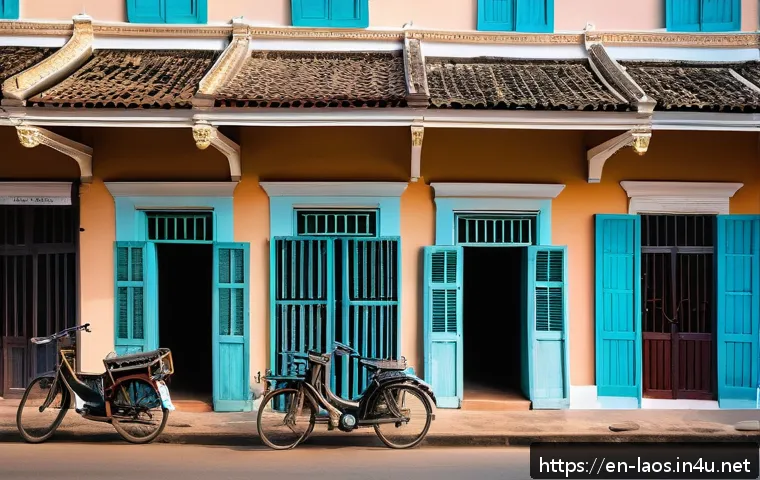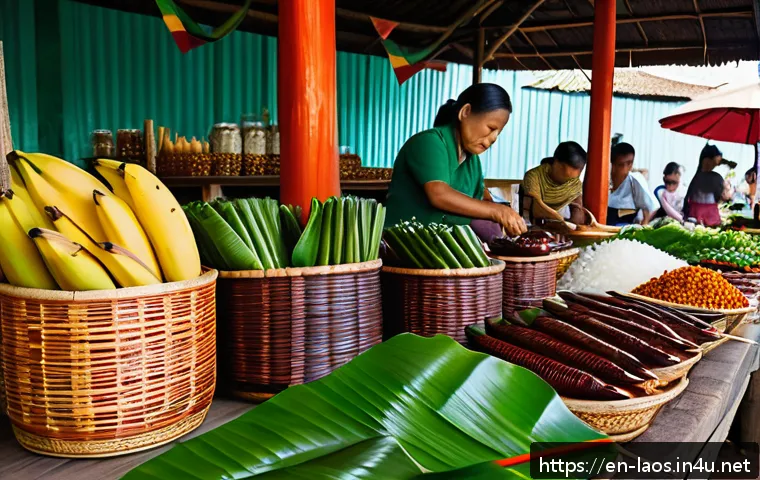
As travelers seek more authentic and off-the-beaten-path experiences, Laos stands out with its rich tapestry of flavors and crafts that remain largely undiscovered by the mainstream.
Recent trends show a growing curiosity for immersive cultural journeys, making this the perfect time to dive into Laos’s hidden culinary gems and exquisite handmade treasures.
Whether you’re a food lover or an art enthusiast, exploring these unique regional delicacies and handicrafts offers a fresh perspective beyond typical tourist spots.
Join me as we uncover the stories behind these rare finds that truly capture the soul of Laos. Trust me, this is a journey you’ll want to savor and remember.
Unearthing Laos’ Culinary Treasures Beyond the Usual
Delving into the Subtle Flavors of Fermented Delicacies
Fermented foods in Laos are an art form that goes beyond simple preservation. Dishes like padaek, a traditional fermented fish sauce, pack a punch with their pungent aroma and deep umami flavor, revealing a culinary heritage shaped by centuries of village life.
What I found fascinating is how each household’s recipe varies, making every tasting experience unique. Sampling these fermented gems is not just about savoring taste but also about connecting with the local culture’s emphasis on patience and natural processes.
If you’ve ever thought fermentation was just a means to an end, trying Laos’ versions will completely change your perspective.
Sticky Rice and Its Cultural Significance
Sticky rice isn’t merely a staple; it’s a cultural symbol woven into the daily fabric of Lao life. The sticky texture, when paired with grilled meats or spicy dips, creates a harmony of texture and flavor that’s hard to find elsewhere.
What struck me during my visits was how sticky rice is used in both humble street food stalls and ceremonial feasts alike, illustrating its versatile role.
Trying sticky rice the Lao way involves not just eating but also learning the etiquette of sharing it with others, which adds a warm social dimension to the meal.
Hidden Gems in Herbal and Jungle Ingredients
One of the most eye-opening experiences was discovering dishes cooked with wild herbs and jungle vegetables, often foraged fresh from the surrounding forests.
These ingredients give Lao cuisine a distinctive edge, blending bitterness, tanginess, and earthiness in ways that are both surprising and delightful.
I remember biting into a dish infused with wild basil and climbing wattle leaves, flavors that were entirely new to me but instantly addictive. Such meals offer a true taste of Laos’ biodiversity and the locals’ intimate knowledge of their environment.
Masterpieces in Handwoven Textiles and Their Stories
The Artistry Behind Traditional Silk Weaving
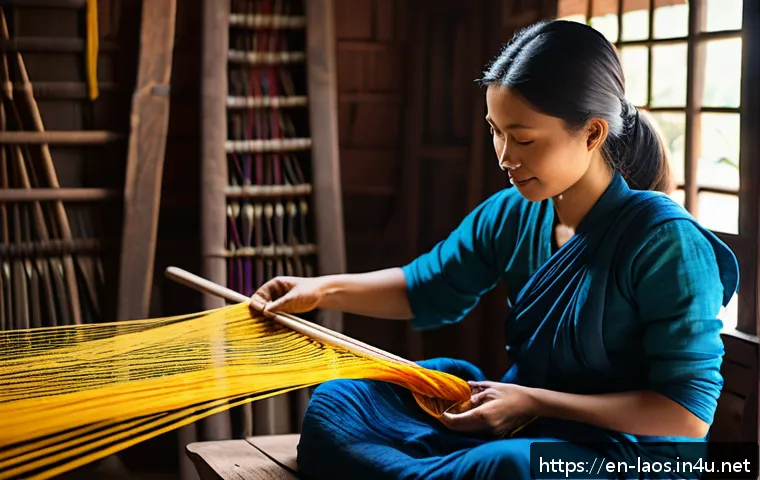
Lao silk weaving is a craft that demands patience, precision, and creativity. Watching artisans at work, I was amazed by the complexity of their patterns, which often tell stories or symbolize important cultural motifs.
The use of natural dyes derived from plants and minerals adds an organic vibrancy to the fabrics that synthetic colors simply can’t replicate. Owning a piece of Lao silk feels like holding a piece of history and tradition, each thread spun with care and meaning.
Natural Dyes and Sustainable Crafting Techniques
What really impressed me about Lao handicrafts is the commitment to sustainability. Many communities still rely on traditional methods that use locally sourced materials and natural dyes, which not only protect the environment but also preserve ancient knowledge.
This approach contrasts sharply with mass-produced textiles, offering buyers something truly authentic and eco-friendly. The rich earthy tones of indigo, madder root, and turmeric-dyed fabrics are a testament to this enduring legacy.
Weaving as a Community Endeavor
Beyond the textiles themselves, weaving in Laos often functions as a communal activity that strengthens social bonds. I had the chance to participate in a weaving session where several women worked side by side, exchanging stories and laughter while their hands moved rhythmically.
This collective spirit infuses the finished products with an intangible warmth and authenticity that you simply can’t replicate in factory-made goods.
The Intricate World of Traditional Lao Pottery
Handcrafted Earthenware and Its Everyday Uses
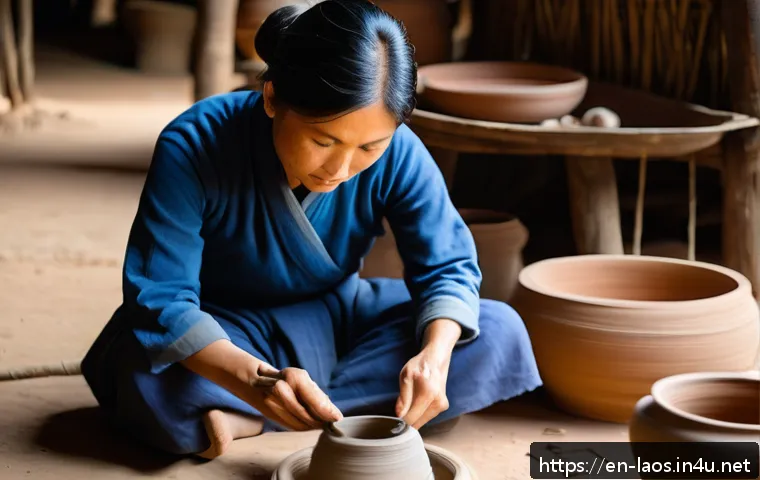
Pottery in Laos isn’t just decorative; it’s deeply functional and reflects a lifestyle closely connected to nature. Many villages still produce earthenware pots and bowls that serve everyday purposes like cooking, storing water, and fermenting food.
Holding these handmade pieces, I could feel the texture of the clay and imagine the care taken in their creation. The slight irregularities in shape and glaze give each item character, making them perfect souvenirs that tell a story.
Regional Styles and Unique Firing Techniques
Exploring different regions revealed subtle variations in pottery styles and firing methods. For instance, some areas use open-fire kilns that impart a smoky finish, while others prefer closed kilns for smoother surfaces.
These techniques not only influence aesthetics but also affect the durability and function of the pieces. Learning about these distinctions enhanced my appreciation of Lao pottery as an evolving craft, blending tradition with innovation.
Pottery Workshops: A Hands-On Experience
Joining a pottery workshop was one of the highlights of my trip. Sitting down with local potters and trying my hand at shaping clay gave me a firsthand sense of the skill involved.
The instructors patiently guided me through the process, sharing stories about the cultural significance of certain shapes and designs. Walking away with my own imperfect but cherished pot felt like a personal connection to Lao heritage.
Discovering Laos’ Unique Flavors in Exotic Fruits and Snacks
The Sweet and Sour World of Tropical Fruits
Laos’ tropical climate gives rise to a bounty of exotic fruits rarely seen elsewhere. From the tangy tamarind pods to the creamy durian, each fruit offers a distinct taste adventure.
I was particularly drawn to the freshness and intensity of flavors, often enjoyed as street snacks or part of local desserts. Sampling these fruits gave me a delicious window into the country’s biodiversity and the locals’ preference for natural, unprocessed foods.
Savory and Spicy Street Snacks Worth Trying
Walking through Lao markets, I encountered an array of savory snacks that perfectly balance spice, saltiness, and crunch. Grilled skewers marinated in herbs, crispy fried insects seasoned with chili and lime, and sticky rice cakes stuffed with savory fillings were among my favorites.
These snacks are not just quick bites but expressions of regional identity and culinary creativity, often passed down through generations.
Pairing Snacks with Traditional Beverages
What elevated these snack experiences was pairing them with traditional drinks like Lao coffee or the locally brewed Beerlao. The robust bitterness of the coffee or the smooth maltiness of the beer complemented the snacks beautifully, enhancing flavors and making the eating experience more complete.
I found that locals often enjoy these combinations as part of social gatherings, which adds a lively and convivial atmosphere.
Handcrafted Jewelry: Symbols of Lao Identity
Silverwork and Its Cultural Symbolism
Silver jewelry in Laos is more than adornment; it’s a form of storytelling. Many pieces feature intricate motifs inspired by nature, mythology, or religious beliefs.
Watching a silversmith at work was mesmerizing—the precision needed to carve delicate patterns by hand is extraordinary. Owning such jewelry feels like carrying a talisman, a connection to Lao spirituality and craftsmanship.
Materials and Techniques Passed Down Through Generations
The beauty of Lao jewelry lies not only in its appearance but also in the traditional techniques used to create it. From hammering to filigree work, each step requires skill honed over decades.
These techniques are carefully guarded family secrets, and seeing how artisans blend old methods with contemporary designs was truly inspiring. It’s this blend of past and present that gives Lao jewelry its unique charm.
Custom Pieces and Personal Stories
I had the chance to commission a custom silver bracelet, and the personal attention I received was heartwarming. The artisan listened closely to my ideas and shared stories about the symbols she incorporated, making the piece deeply meaningful.
This personalized approach transforms jewelry shopping into an intimate cultural exchange rather than a mere transaction.
| Category | Example Items | Key Characteristics | Cultural Significance |
|---|---|---|---|
| Culinary Delicacies | Fermented fish sauce (Padaek), Sticky rice, Wild herbs | Umami-rich, textural harmony, foraged freshness | Village tradition, social sharing, connection to nature |
| Textiles | Silk fabrics, Natural dyed cloth | Intricate patterns, eco-friendly dyes, vibrant colors | Storytelling, sustainability, communal weaving |
| Pottery | Earthenware pots, Smoky fired ceramics | Handmade texture, regional firing styles | Functional art, village craft, heritage preservation |
| Fruits & Snacks | Tamarind, Durian, Grilled skewers, Fried insects | Exotic flavors, spicy-salty crunch | Biodiversity, street culture, social eating |
| Jewelry | Silver bracelets, Filigree earrings | Hand-carved motifs, traditional techniques | Spiritual symbolism, family craft legacy |
The Spiritual Essence in Lao Artisan Works
Crafts as a Reflection of Religious Beliefs
Many Lao artisans infuse their creations with spiritual meaning, drawing inspiration from Buddhism and animist traditions. Whether it’s the design of a weaving pattern or the shape of a pottery vessel, these elements often symbolize protection, prosperity, or harmony.
I found that understanding these layers of meaning enriched my appreciation of the crafts far beyond their aesthetic value.
Workshops Rooted in Ritual and Tradition
Some villages maintain rituals before and during crafting sessions, such as offering prayers to guardian spirits or ancestors. Participating in these ceremonies gave me a glimpse into how deeply art and spirituality are intertwined in Lao daily life.
It’s a reminder that these crafts are living traditions, sustained by faith and communal respect.
Bringing Home More Than a Souvenir
Taking home a handcrafted item from Laos feels like carrying a piece of that spiritual essence with you. It’s not just a souvenir but a talisman that connects you to the stories, beliefs, and hands that created it.
This dimension transforms any purchase into a meaningful memory, making the journey all the more unforgettable.
Emerging Trends in Laos’ Artisan Economy
Balancing Tradition with Modern Markets
I observed a growing trend where Lao artisans are adapting their traditional crafts for contemporary markets, blending old techniques with new designs that appeal to international buyers.
This evolution is vital for sustaining livelihoods while preserving cultural heritage. It’s fascinating to see how communities negotiate this balance, often with the help of NGOs and fair-trade initiatives.
Tourism’s Role in Reviving Local Crafts
Tourism is playing a crucial role in breathing new life into Lao handicrafts. More travelers seeking authentic experiences have created demand for handmade products, encouraging younger generations to learn and continue these arts.
I noticed that many villages now offer interactive craft tours, which not only generate income but also foster cultural exchange and awareness.
Challenges and Opportunities Ahead
Despite positive momentum, challenges remain, such as access to materials, competition with cheap imports, and maintaining authenticity. However, the enthusiasm I encountered among artisans and local leaders is encouraging.
With growing global interest in sustainable and meaningful products, Laos’ artisan economy is poised for a bright future that honors both heritage and innovation.
In Closing
Exploring Laos’ rich artisan traditions reveals a vibrant tapestry of culture, history, and creativity that goes far beyond the surface. From flavorful culinary treasures to exquisite crafts, each experience offers a meaningful connection to the people and their heritage. Embracing these discoveries enriches not only your travel but also your appreciation for sustainable and authentic artistry.
Useful Information to Know
1. Lao fermented foods like padaek are highly regional, so trying them in different areas offers unique flavor profiles.
2. Sticky rice is more than food—it’s a social ritual that encourages sharing and community bonding.
3. Natural dyes in Lao textiles come from local plants and minerals, making each fabric eco-friendly and vibrant.
4. Participating in pottery or weaving workshops provides firsthand insight into the skill and cultural significance behind these crafts.
5. Pairing traditional snacks with local beverages like Lao coffee or Beerlao enhances the overall tasting experience and reflects local customs.
Key Takeaways
Understanding Laos’ artisan culture requires appreciating the deep connection between craft, community, and spirituality. Whether through food, textiles, pottery, or jewelry, these creations serve as living expressions of history and identity. Supporting local artisans helps preserve these traditions while encouraging sustainable economic growth, ensuring that future generations can continue to share Laos’ unique cultural treasures.
Frequently Asked Questions (FAQ) 📖
Q: What are some must-try traditional dishes in Laos that reflect its authentic flavors?
A: When it comes to savoring authentic Laotian cuisine, don’t miss out on dishes like “Larb,” a zesty minced meat salad bursting with fresh herbs and lime, and “Sticky Rice,” which is a staple often enjoyed with almost every meal.
I personally found “Or Lam,” a spicy and hearty stew featuring local vegetables and herbs, to be a perfect introduction to Laos’s unique taste profile.
These dishes are not just food but stories on a plate, deeply rooted in local culture and daily life.
Q: Where can travelers find genuine handmade crafts in Laos, and what makes them special?
A: The best places to discover authentic Laotian handicrafts are local markets and artisan villages, such as those around Luang Prabang or Vientiane. What sets these crafts apart is the incredible skill passed down through generations—whether it’s intricate silk weaving, bamboo basketry, or silver jewelry.
I had the chance to meet artisans who explained how each piece carries cultural symbolism, making these treasures more than just souvenirs; they’re pieces of living heritage.
Q: How can travelers ensure their cultural experiences in Laos are respectful and truly immersive?
A: To enjoy a respectful and immersive journey, it’s essential to engage with local guides and communities who welcome visitors with open arms and authentic stories.
I recommend taking part in small workshops or home-stays, which not only support the local economy but also offer a genuine glimpse into daily life. Being mindful of local customs, dressing modestly when visiting temples, and learning a few basic Lao phrases helped me connect on a deeper level and made the experience unforgettable.