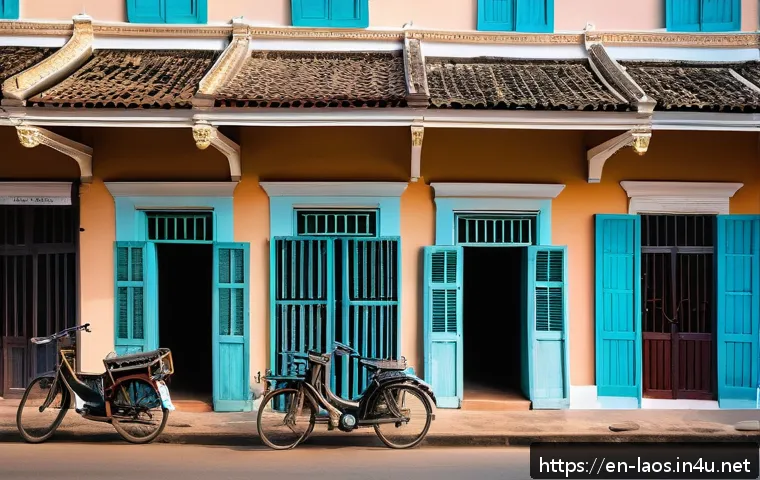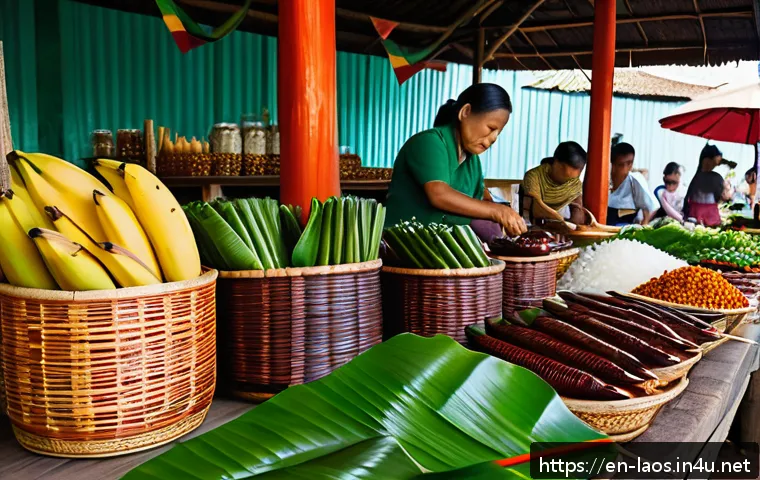
Traveling to Laos offers an unforgettable blend of rich culture, stunning landscapes, and warm hospitality. However, recent travel advisories highlight the importance of being well-prepared, especially when it comes to health and safety.
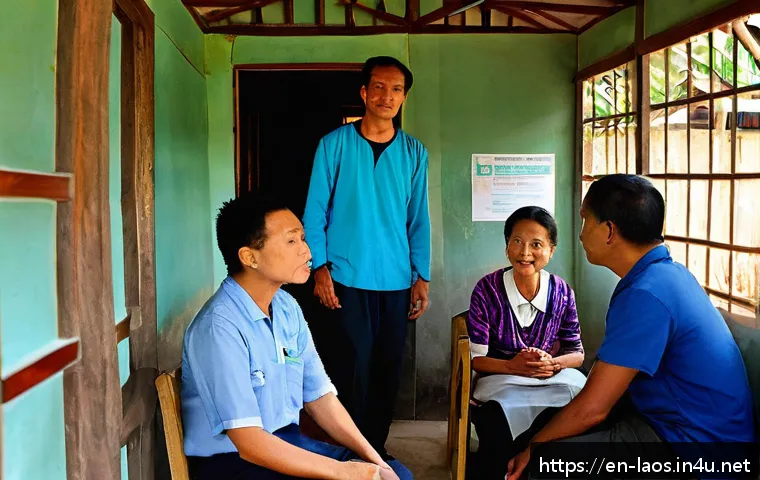
Whether you’re exploring ancient temples or trekking through lush jungles, having the right travel insurance can make all the difference. In this guide, I’ll share essential tips to help you secure comprehensive coverage so your adventure remains stress-free and enjoyable.
Let’s dive into how you can travel smart and stay protected throughout your Laos journey.
Understanding the Essentials of Travel Coverage in Laos
Types of Insurance to Consider
Travel insurance isn’t one-size-fits-all, especially when you’re heading to a destination like Laos with its unique set of challenges. Typically, you’ll want to look at medical coverage, trip cancellation, baggage protection, and emergency evacuation.
Medical coverage is crucial because healthcare facilities outside Vientiane can be limited, and some treatments may require evacuation to neighboring countries.
Trip cancellation insurance can save you from losing money if unexpected events force you to change plans. Baggage protection offers peace of mind against theft or loss, which can happen easily during transfers or in crowded markets.
Emergency evacuation covers the cost of transport to the nearest adequate medical facility, which can be lifesaving in remote areas.
How to Assess Coverage Limits
When reviewing policies, pay close attention to coverage limits and exclusions. Many travelers underestimate how quickly medical bills can add up, especially if hospitalization or emergency transport is involved.
For Laos, it’s wise to have a policy with at least $100,000 in medical coverage. Look out for exclusions related to adventure activities like trekking or motorbiking, common in Laos, as these might require additional riders or special policies.
Also, check if the policy covers COVID-19-related expenses, which remain relevant given changing travel regulations.
Reading the Fine Print
It might feel tedious, but reading the fine print can save you from unpleasant surprises. Pay attention to claim procedures, required documentation, and deadlines for reporting incidents.
Some insurers require you to notify them within 24 hours of an emergency, which can be tricky if you’re in a remote location with limited connectivity.
Also, understand whether your policy covers pre-existing medical conditions if you have any. Being clear on these details before your trip helps you avoid claim denials later on.
Health Risks and How Insurance Can Help
Common Health Concerns for Travelers in Laos
Laos’s tropical climate and rural areas can expose travelers to mosquito-borne diseases such as dengue fever and malaria. While urban areas have better medical facilities, rural regions often lack immediate access to quality healthcare.
Travelers should be aware of food and water safety, as gastrointestinal illnesses are common. Having health insurance that covers outpatient treatment and medication is crucial because these minor ailments can quickly escalate if untreated.
Emergency Medical Services Availability
Emergency services in Laos are not as developed as in Western countries. Ambulance services exist but may be slow or unavailable in remote areas. Many travelers rely on private transport to reach hospitals.
Travel insurance with emergency evacuation coverage is essential because serious cases might require airlift to Bangkok or Hanoi for advanced care. This type of coverage often includes coordinating with local embassies or consulates, which can be a lifeline in a crisis.
Vaccinations and Preventive Care
Before traveling, getting recommended vaccinations like Hepatitis A, Typhoid, and Tetanus is a smart move. While insurance won’t cover vaccine costs, it does cover treatment if you fall ill despite precautions.
Some insurers offer 24/7 telemedicine support, allowing you to consult doctors remotely if you’re feeling unwell or unsure about symptoms. This service can save a trip to a clinic and help you manage minor health issues efficiently.
Planning for Adventure Activities and Special Coverage Needs
Popular Activities That Require Extra Insurance
Laos is a paradise for adventure seekers with activities like zip-lining in the jungle, kayaking on the Mekong River, and exploring caves. Standard travel insurance often excludes injuries from extreme sports or activities considered high risk.
If you plan on engaging in these, look specifically for policies that include adventure sports coverage. This extra layer of protection means you won’t be footing the bill if you break a bone or need rescue while canyoning or mountain biking.
Motorbike and Vehicle Insurance Considerations
Renting a motorbike is a favorite way to explore Laos, but accidents are common due to road conditions and unfamiliar traffic rules. Many basic travel insurance policies do not cover motorbike accidents, so you must verify whether your policy includes this or if you need to purchase supplemental coverage.
Additionally, consider liability coverage, which can protect you if you cause damage or injury to others while driving.
Choosing Providers with Local Expertise
Some insurance companies have partnerships with local hospitals and emergency services in Southeast Asia, which can expedite claims and provide better support.
Providers with local presence or affiliates are often better equipped to handle language barriers and navigate local healthcare systems. This can be a game changer when you need quick assistance or help arranging transportation or specialist care.
How to Maximize Your Insurance Benefits
Documenting Your Trip and Health Status
Keep detailed records of your travel itinerary, receipts, and any medical visits or prescriptions. Having organized documents speeds up claims processing and helps avoid disputes.
Before you leave, print out your insurance policy and emergency contact numbers, and store digital copies on your phone. Inform family or friends about your insurance details so they can assist if needed.
Using Technology to Stay Connected
Many insurers now have apps that allow you to file claims, access emergency contacts, and even receive medical advice on the go. Using these apps can reduce stress in emergencies and provide instant support.

Some apps also include translation services, which are incredibly helpful in Laos where English proficiency outside major cities can be limited.
When to Seek Medical Attention
Knowing when to seek care is key to making the most of your insurance. Minor issues like a mild fever or stomach upset might be managed with over-the-counter meds, but persistent or worsening symptoms should prompt a visit to a clinic.
Early treatment can prevent complications and avoid expensive emergency evacuations. If you’re unsure, many insurers offer 24-hour hotlines where nurses or doctors can advise you on next steps.
Cost Breakdown: What to Expect from Different Insurance Plans
| Coverage Type | Average Cost Range (USD) | Key Benefits | Typical Exclusions |
|---|---|---|---|
| Basic Medical Coverage | $30–$70 | Emergency medical treatment, hospital stays | Adventure sports, pre-existing conditions |
| Comprehensive Travel Insurance | $70–$150 | Medical, trip cancellation, baggage loss, emergency evacuation | Extreme sports without rider, some epidemics |
| Adventure Sports Rider | $20–$50 (add-on) | Covers injuries from high-risk activities like trekking, motorbiking | Non-declared activities, reckless behavior |
| Long-Term or Multi-Trip Plans | $150–$400 | Coverage over extended periods or multiple trips, often with added benefits | Varies by provider, usually excludes some high-risk regions |
Tips for Handling Claims Smoothly While Abroad
Keeping Communication Clear and Timely
If an incident occurs, notify your insurer immediately. Clear communication, including details like location, nature of injury or loss, and hospital contact information, helps expedite assistance.
Delays or incomplete info can lead to claim denials or slower processing.
Collecting and Submitting Proper Documentation
Always ask for official receipts, medical reports, and police reports if applicable. These documents are critical for validating your claim. Make copies and keep originals safe, as some insurers require originals upon return.
Digital scans can be helpful but confirm your insurer’s preferences beforehand.
Follow Up and Advocate for Your Claim
Claims can sometimes take weeks to resolve. Regularly check in with your insurer for updates and provide any additional info promptly. If you feel your claim is unfairly denied, don’t hesitate to escalate the issue or seek help from consumer protection agencies or travel insurance ombudsmen.
Additional Safety Measures Beyond Insurance
Staying Informed About Local Conditions
Weather changes, political demonstrations, or health outbreaks can affect your travel. Register with your embassy or consulate for alerts, and check local news regularly.
Being aware helps you avoid risky areas and plan accordingly.
Traveling with Emergency Essentials
Carry a first aid kit, insect repellent, and any personal medications in your day pack. Having these items handy can reduce minor emergencies that would otherwise require clinic visits.
Also, carry a copy of your insurance policy and emergency numbers at all times.
Building a Support Network
Connect with other travelers or locals who can offer advice or assistance. Many expat communities and travel forums provide valuable insights on safe spots and reliable medical facilities.
Sometimes, word of mouth is your best guide when navigating unfamiliar territory.
In Conclusion
Travel insurance is an essential part of any trip to Laos, offering protection against unexpected health issues, accidents, and travel disruptions. Understanding the types of coverage and reading policy details carefully can save you from costly surprises. Preparing in advance with the right insurance and safety measures ensures a smoother and safer travel experience. Always stay informed and connected to make the most of your coverage while exploring this beautiful country.
Useful Information to Keep in Mind
1. Always choose a policy with sufficient medical coverage, ideally $100,000 or more, to handle emergencies in Laos’s limited healthcare environment.
2. Verify whether your insurance includes adventure sports and motorbike coverage if you plan to engage in high-risk activities.
3. Keep all travel and medical documents organized and accessible to speed up any claims process.
4. Utilize insurer apps and 24/7 support lines to get quick assistance and medical advice on the go.
5. Stay updated on local conditions and maintain a support network to navigate unexpected situations effectively.
Key Takeaways
Choosing the right travel insurance for Laos means balancing comprehensive medical protection with coverage for adventure activities and trip interruptions. It’s vital to understand policy limitations, claim procedures, and exclusions before departure. Emergency evacuation coverage can be lifesaving in remote areas, so don’t overlook this aspect. Staying proactive by documenting your trip, using technology, and maintaining communication with your insurer will help you maximize benefits. Lastly, supplement your insurance with practical safety habits to enjoy your Laos adventure worry-free.
Frequently Asked Questions (FAQ) 📖
Q: What types of travel insurance coverage are essential for a trip to Laos?
A: When traveling to Laos, it’s crucial to have travel insurance that covers medical emergencies, evacuation, trip cancellations, and lost belongings. Medical coverage is particularly important since healthcare facilities outside major cities can be limited.
Also, consider policies that include coverage for adventure activities like trekking or kayaking, which are popular in Laos. Having comprehensive coverage ensures you’re protected against unexpected expenses and can access quality care if needed.
Q: Are there any specific health concerns travelers should prepare for when visiting Laos?
A: Yes, Laos has some health risks travelers should be aware of. Mosquito-borne illnesses like dengue fever and malaria are present, so insurance that covers medical treatment for these diseases is vital.
It’s also wise to have coverage for gastrointestinal issues, which are common due to local food and water. Make sure your insurance plan allows easy access to medical facilities and includes medical evacuation in case of severe illness or injury.
Q: How can I make the most of my travel insurance while exploring remote areas in Laos?
A: To maximize your travel insurance benefits, always carry your insurance details and emergency contact numbers. Inform your insurer about your itinerary, especially if you plan to visit remote or high-risk areas.
Keep receipts and documentation of any medical treatments or emergencies, as these will be needed for claims. Additionally, choose a plan that offers 24/7 assistance, so you can get help anytime, whether you’re in Vientiane or deep in the jungle.
This proactive approach ensures smooth support during your adventure.