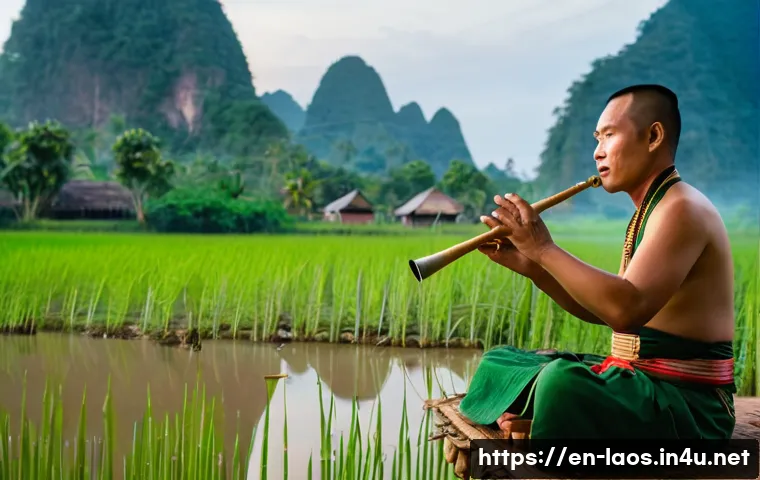
Laos boasts a rich tapestry of traditional music that beautifully reflects its cultural heritage and spiritual beliefs. From the haunting melodies of the khene to the vibrant rhythms played during festivals, each sound tells a story passed down through generations.
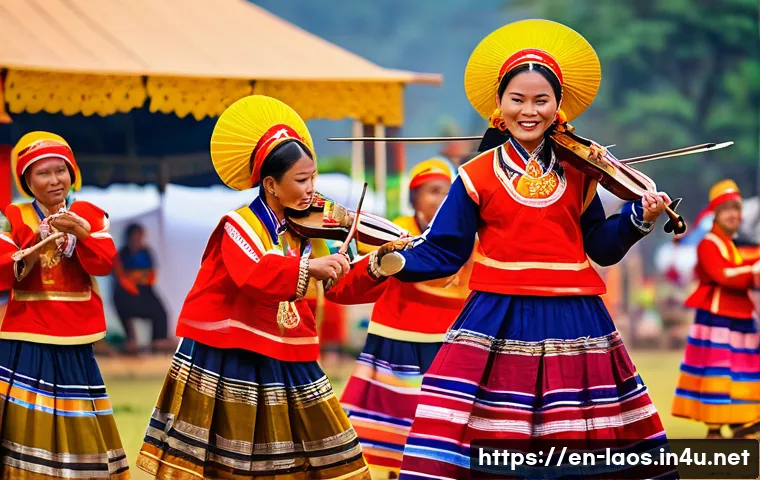
Experiencing Lao music offers a window into the daily life, rituals, and emotions of its people. Whether performed in a serene village or a bustling city, this music connects listeners to the heart of Laos.
Let’s dive deeper and uncover the fascinating world of Lao traditional music together!
Exploring the Soulful Instruments of Laos
The Khene: Laos’ Heartfelt Voice
The khene, a bamboo mouth organ, is often considered the soul of Lao music. When I first heard its deep, resonant drone, it immediately transported me to the lush river valleys and misty mountains of Laos.
This instrument isn’t just about sound; it carries centuries of storytelling through its unique harmonies. The way players breathe life into the khene, controlling airflow and finger holes, creates melodies that feel like conversations between nature and spirit.
Its sound can be both hauntingly melancholic and joyfully celebratory, reflecting the emotional depth of Lao culture.
String and Percussion Instruments: Adding Texture and Rhythm
Beyond the khene, traditional Lao ensembles often include the sao, a two-stringed fiddle with a soulful timbre that seems to echo human emotion. Percussion instruments like the gong circle and various drums add vibrant layers that energize festivals and ceremonies.
When attending a local celebration, I noticed how these rhythmic beats naturally invite everyone to move together, blurring the lines between performer and audience.
The interplay between string and percussion instruments creates a dynamic soundscape that’s deeply immersive.
Woodwinds and Their Spiritual Connection
Lao woodwinds, such as the pi, a reed instrument similar to an oboe, often accompany ritualistic music. Their piercing tones cut through the air, signaling important moments during ceremonies.
I found it fascinating how these instruments aren’t merely for entertainment but serve as a bridge to the spiritual world, calling upon ancestral spirits or inviting blessings.
This blend of musicality and spirituality is a hallmark of Lao traditional music, enriching the cultural tapestry with profound meaning.
Traditional Music in Daily and Festive Life
Music as a Daily Companion
In rural Laos, music is woven seamlessly into everyday activities. Whether farmers are planting rice or vendors are setting up market stalls, melodies from simple instruments often accompany their routines.
I recall a morning in a small village where the gentle hum of a khene player blended with the sounds of nature, creating a peaceful atmosphere that made the day feel harmonious and connected.
This constant musical presence highlights how integral sound is to Lao identity.
Festival Rhythms and Communal Joy
Festivals in Laos explode with musical energy, showcasing a variety of traditional performances. During celebrations like Boun Bang Fai (Rocket Festival), the streets fill with drumming, singing, and dancing that invigorate the community spirit.
From personal experience, these events are not just spectacles but deeply participatory moments where everyone—young or old—feels part of something larger.
The music’s infectious rhythms encourage spontaneous dancing and laughter, reinforcing social bonds and cultural pride.
The Role of Music in Rituals and Ceremonies
Many Lao ceremonies, including weddings and religious rites, rely heavily on traditional music to set the tone. The slow, deliberate pace of certain songs often marks sacred moments, while lively tunes celebrate joyous milestones.
I’ve witnessed monks chanting alongside musicians, creating an atmosphere thick with reverence and hope. This synergy between music and ritual underlines the powerful role sound plays in marking life’s transitions in Lao society.
Vocal Traditions and Storytelling
Folk Songs as Oral History
Lao folk songs serve as oral history, preserving tales of love, war, and daily life. Listening to a local singer recount ancestral stories through song felt like stepping into a living museum.
These melodies often use poetic language and metaphors, making each performance a rich narrative experience. The emotional delivery by singers brings these stories alive, connecting listeners with their heritage in a deeply personal way.
Call-and-Response Singing
A distinctive feature of Lao vocal music is the call-and-response style, where a lead singer’s lines are echoed or answered by a group. This interactive form creates a sense of community and shared experience.
I remember joining a village gathering where this style encouraged everyone’s participation, breaking down social barriers and uniting people through music.
The lively exchanges keep the tradition vibrant and inclusive.
Improvisation and Personal Expression
Improvisation plays a vital role in Lao singing, allowing performers to express their individuality within traditional forms. Experienced singers often weave spontaneous verses that reflect current emotions or local happenings.
Witnessing such improvisation felt like watching a dialogue between the artist and the audience, making each performance unique and memorable. This blend of structure and freedom keeps Lao vocal traditions fresh and relevant.
The Impact of Modernization on Traditional Sounds
Challenges of Preserving Authenticity
As Laos modernizes, traditional music faces challenges from urbanization and global influences. Younger generations often gravitate towards contemporary genres, risking the fading of ancient practices.
During my visits, I noticed efforts by cultural organizations to teach youth about traditional instruments and songs, which is crucial to preserving authenticity.
Balancing modernization with heritage requires thoughtful approaches to keep traditions alive without stifling creativity.
Fusion and Innovation in Contemporary Lao Music
Interestingly, some Lao musicians blend traditional sounds with modern genres like pop and hip-hop, creating exciting new hybrids. I’ve enjoyed tracks where the khene meets electronic beats, offering fresh ways to experience Lao culture.
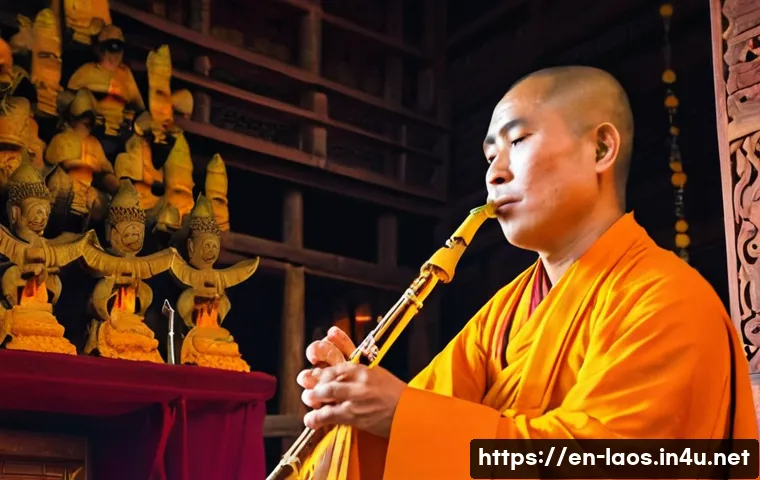
This fusion not only attracts younger audiences but also introduces Lao music to global listeners. It’s inspiring to see how innovation can coexist with tradition, enriching the musical landscape.
Role of Media and Technology
Technology has become a double-edged sword for Lao traditional music. On one hand, recordings and online platforms help archive and spread these sounds worldwide.
On the other, the sheer volume of global content can overshadow local music. Personally, discovering Lao music on streaming services felt like a treasure hunt, revealing gems that might otherwise remain unheard.
Supporting platforms that prioritize traditional music can help maintain its visibility in a crowded digital space.
Instruments and Their Cultural Significance
| Instrument | Description | Cultural Role | Typical Usage |
|---|---|---|---|
| Khene | Bamboo mouth organ with multiple pipes | Symbolizes Lao identity and spirituality | Folk music, ceremonies, festivals |
| Sao | Two-stringed fiddle | Expresses emotional depth and storytelling | Ensembles, entertainment, rituals |
| Pi | Reed wind instrument similar to oboe | Used to invoke spirits and mark sacred events | Religious ceremonies, processions |
| Gong Circle | Set of tuned gongs played melodically | Represents communal harmony and celebration | Festivals, dances, social gatherings |
| Drums | Various types providing rhythm and energy | Enhances festive atmosphere and ritual timing | Festivals, rituals, dances |
The Role of Music in Lao Identity and Community
Music as a Cultural Anchor
For many Lao people, music is more than entertainment; it’s a vital thread that ties generations together. I’ve seen how traditional songs evoke pride and a sense of belonging, especially among diaspora communities longing for a connection to their roots.
Music acts as a cultural anchor, reminding individuals of their shared history and values even when far from home.
Fostering Social Cohesion
Music often serves as a social glue in Lao communities. Whether it’s a wedding, harvest festival, or religious ceremony, shared musical experiences bring people closer.
During a village celebration I attended, the collective singing and dancing fostered a joyous atmosphere where social hierarchies momentarily softened.
This egalitarian nature of music helps maintain harmony and mutual respect.
Passing Traditions to Future Generations
The transmission of musical knowledge is crucial for cultural survival. Elders play an essential role, teaching children not only how to play instruments but also the stories and values behind the music.
I witnessed a workshop where young learners eagerly absorbed lessons from masters, their faces lighting up with every new tune. This intergenerational exchange ensures Lao music remains a living, evolving tradition rather than a relic of the past.
Distinctive Musical Styles Across Lao Regions
Lowland Plains: The Heart of Khene Music
In the fertile lowland plains along the Mekong River, the khene dominates musical expression. The style here is often lively and rhythmic, reflecting the agricultural lifestyle and community celebrations.
From personal observation, local ensembles in this region blend melody with dance, creating vibrant performances that energize even the most routine gatherings.
Highland Communities: Diverse Ethnic Influences
The mountainous regions of Laos host a variety of ethnic groups, each with unique musical traditions. Instruments and styles vary widely, incorporating distinct rhythms, scales, and vocal techniques.
When visiting these areas, I noticed how music functions as a marker of ethnic identity and a means of preserving ancient customs that differ markedly from lowland practices.
Urban Centers: A Melting Pot of Sounds
Cities like Vientiane and Luang Prabang showcase a fusion of traditional and contemporary music. Urban musicians often blend Lao folk instruments with Western influences, creating hybrid styles that appeal to younger audiences.
In these bustling environments, music serves both as a connection to heritage and a platform for innovation, reflecting the dynamic cultural landscape of modern Laos.
Conclusion
Exploring the soulful instruments of Laos reveals a rich tapestry of culture, tradition, and community spirit. The unique sounds and heartfelt performances connect the past with the present, offering a glimpse into the lives and values of the Lao people. Whether through daily melodies or vibrant festivals, Lao music continues to inspire and unite. Embracing both preservation and innovation ensures that these traditions will thrive for generations to come.
Useful Information to Keep in Mind
1. The khene is the cornerstone of Lao music, symbolizing cultural identity and spirituality.
2. Traditional instruments like the sao, pi, and gong circle add emotional depth and communal energy.
3. Music plays a vital role in daily life, ceremonies, and festivals, fostering social bonds.
4. Modernization brings challenges but also opportunities through fusion and digital platforms.
5. Passing musical knowledge to younger generations is essential for preserving Lao heritage.
Key Takeaways
Lao traditional music is a living expression of cultural identity that blends spirituality, storytelling, and community connection. Its preservation depends on balancing respect for ancient practices with openness to modern influences. Engaging younger audiences through education and innovation is crucial to keeping these musical traditions vibrant and relevant in today’s world.
Frequently Asked Questions (FAQ) 📖
Q: What is the khene and why is it important in Lao traditional music?
A: The khene is a traditional bamboo mouth organ that holds a special place in Lao music. It produces haunting, melodic sounds that are instantly recognizable and deeply tied to the country’s cultural identity.
Playing the khene requires skill and breath control, and it’s often used to accompany folk songs, dances, and spiritual ceremonies. From my experience attending a local festival, the soulful tones of the khene create an atmosphere that feels both nostalgic and uplifting, connecting listeners to Laos’ rich history and communal spirit.
Q: How does Lao traditional music reflect the daily life and rituals of the people?
A: Lao music is more than just entertainment; it’s woven into everyday life and spiritual practices. For example, certain rhythms and songs are reserved for agricultural cycles, weddings, or Buddhist ceremonies, expressing gratitude, hope, or communal values.
When I visited a rural village, I noticed how music accompanied almost every social event, helping to mark important moments and bring people together.
The melodies often tell stories of nature, love, and ancestral wisdom, making the music a living archive of Lao culture and emotions.
Q: Can I experience authentic Lao traditional music outside of Laos?
A: Absolutely, but the experience is often different from hearing it in its natural setting. Many cultural festivals, museums, and Lao community centers around the world host performances featuring traditional instruments like the khene and folk songs.
However, having been fortunate enough to hear live Lao music in both a city concert hall and a quiet village temple, I can say that the environment deeply influences the emotional impact.
If you want the fullest experience, seek out live performances during Lao festivals or cultural events, where the music’s connection to its spiritual and social roots really shines through.