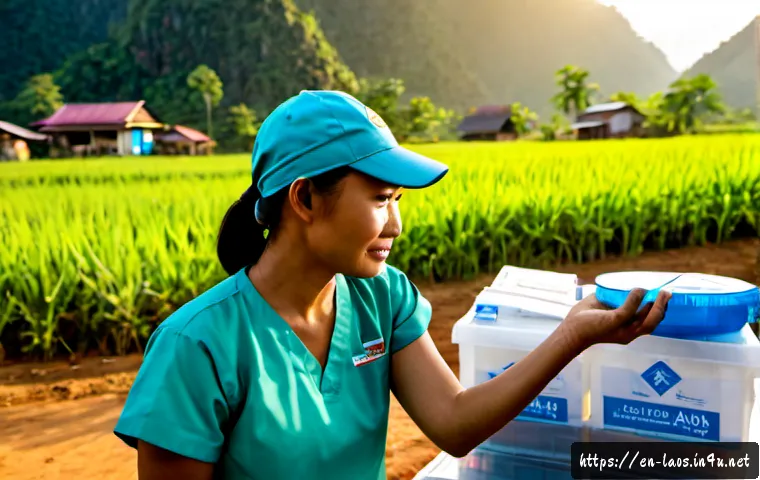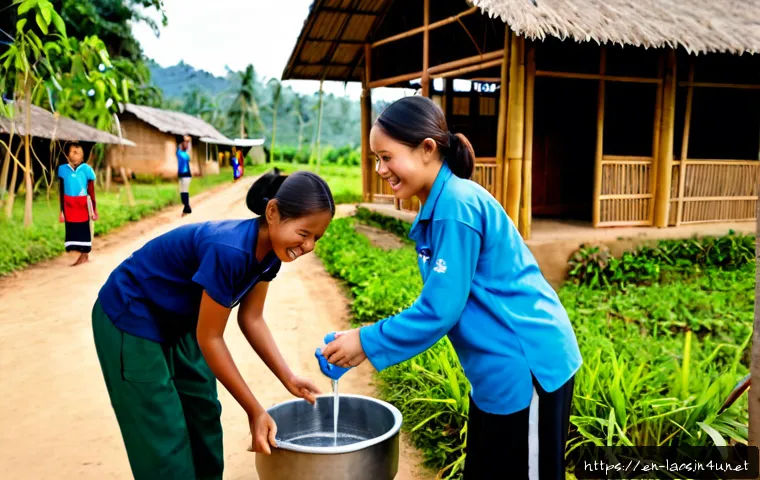
The best Laos volunteer program is not automatically the one with the lowest fee. Compare local impact, safeguarding, accommodation, program support, and your full travel budget before you apply.
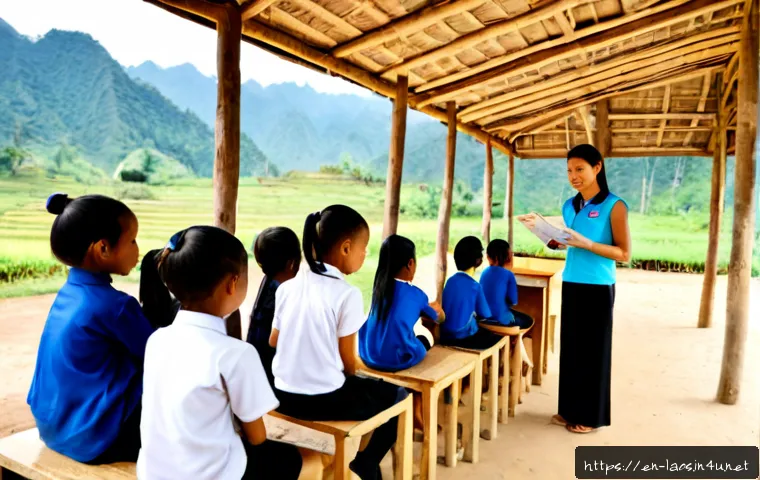
A structured placement can suit first-time international volunteers who want help with logistics, while independent arrangements may fit travelers who can manage more planning.
Skills-based roles can be a stronger match when your experience supports a locally identified need. Before committing, confirm exactly what the program fee includes and what you must arrange separately.
At a Glance
- Compare the total trip cost, not only the program fee: flights, insurance, visas, housing, meals, and local transport may be separate.
- Choose community-led work that protects dignity and does not replace paid local employment.
- Check support and safeguarding carefully, especially for placements involving children or vulnerable groups.
| Option | Main Cost Categories to Check | Support Level | Best Fit |
|---|---|---|---|
| Independent travel with a local opportunity | Accommodation, meals, transport, insurance, flights, visa-related costs | Varies; you may arrange most logistics yourself | Travelers comfortable with planning and direct communication |
| Hosted volunteer program | Program fee, accommodation, meals, airport or local transport, insurance, flights | Often more structured, but inclusions must be confirmed | First-time volunteers seeking coordination and local support |
| Skills-based placement | Program fee or project costs, travel, insurance, accommodation, professional preparation | Depends on the organization and role design | Professionals or experienced volunteers with relevant skills |
What Makes a Laos Volunteer Placement Worth Choosing?
Start with community-led goals, not just available volunteer tasks
A worthwhile placement begins with a locally identified need. Ask how local staff, partner organizations, or community members shape the project goals. A role should support ongoing work rather than create activities simply because visitors are available. It is also reasonable to ask what the organization expects to continue after volunteers leave.
Match your skills, available time, and comfort level to the role
Be direct about what you can realistically contribute. Teaching support, environmental activities, and community-support roles can all require different preparation, language ability, and supervision. Lao is the official language, while English may be more common in tourism-facing businesses and some organized programs than in everyday rural settings. If communication is important to the role, ask how translation, orientation, and local supervision work.
Why short placements need realistic expectations
A short stay may be useful for learning, supporting a defined task, or contributing a specific skill. It should not be presented as a solution to complex local challenges. Look for a program that sets clear boundaries, gives volunteers an appropriate role, and does not overpromise impact.
Compare Program Types, Support Levels, and Total Costs
Hosted volunteer programs versus independently arranged opportunities
Hosted programs may coordinate accommodation, introductions, schedules, and local support. Independent opportunities can offer more flexibility, but they can also leave you responsible for housing, transport, communication, and contingency planning. Neither format is automatically better. The important question is whether the support level matches your travel experience and the project’s needs.
Skills-based, education, environmental, and community-support roles
Skills-based volunteering may offer more value when a project has requested a specific capability and can supervise its use. Education or community-support roles need careful role design, particularly when volunteers have limited local-language ability. Environmental work may be suitable when objectives, safety procedures, and local leadership are clear. Avoid assuming that enthusiasm alone makes every task appropriate.
Cost categories to compare: fees, housing, meals, transport, insurance, and flights
Separate the advertised program fee from the full travel budget. Ask whether the price covers accommodation, meals, local transport, orientation, emergency support, and project materials. Then budget separately for flights, travel insurance, visa-related expenses, daily spending, and any costs that are not explicitly included. Laos uses the Lao kip (LAK), although some travel services may quote in other currencies.
Questions to ask before treating a low fee as a better value
A low fee may leave important costs outside the package, while a higher fee may include more coordination or accommodation. Ask for a written list of inclusions, exclusions, payment timing, cancellation terms, and support arrangements. Also ask who is available if plans change after arrival. Value is about clarity, suitability, and support, not a single price.
Check Safety, Ethics, and Local Impact Before You Apply
Safeguarding standards for projects involving children or vulnerable groups
Work involving children requires especially strong safeguards. Ask about screening, supervision, volunteer boundaries, reporting procedures, and a written child-protection policy. A responsible provider should not treat access to children as a casual travel activity. If answers are vague or policies are unavailable, pause before applying.
Signs that local organizations lead the work
Look for evidence that local partners have meaningful authority over priorities and daily work. Useful questions include: Who defines the project goals? Who supervises volunteers? How are community concerns handled? A placement should protect community dignity and make room for local knowledge rather than placing visitors at the center.
Avoiding roles that replace paid local employment
Volunteer work should not displace jobs that local workers could reasonably fill. This is particularly important for routine work that requires no special outside skill. Ask why a volunteer is needed, what training is provided, and how the role complements local staff. A provider that can explain this clearly is easier to evaluate responsibly.
Health planning, emergency contacts, and travel insurance coverage
Travel insurance is a practical part of volunteer-trip planning, not an afterthought. Review what a policy covers, any exclusions relevant to planned activities, and the process for seeking help away from major centers. Keep emergency contacts accessible and ask the provider what local support is available if you become unwell or travel plans are disrupted. Health requirements can change, so confirm current guidance before departure.
Plan the Practical Details for a Stay in Laos
Confirm entry rules, visa timing, and document requirements
Entry rules, visa eligibility, vaccination requirements, and border procedures can change. Confirm requirements for your nationality through official sources before booking non-refundable travel or paying a program deposit. Ask the provider what documents they request, but do not rely on a program page alone for entry permission.

Budgeting in Lao kip and preparing for variable local costs
Plan for day-to-day spending in LAK while recognizing that some travel services may quote in another currency. Exchange rates and local prices can change, and costs may differ by destination. Keep your budget flexible enough for transport changes, meals not included in the program, and personal supplies.
Accommodation, communications, transport, and cultural etiquette
Before you commit, ask where you will stay, whether you will share accommodation, what meals are included, and how you will communicate with project staff. Clarify transport between accommodation and the placement. Respectful travel also means following local guidance on dress, behavior, photography, and participation in community spaces.
Planning around weather, road travel, and remote project locations
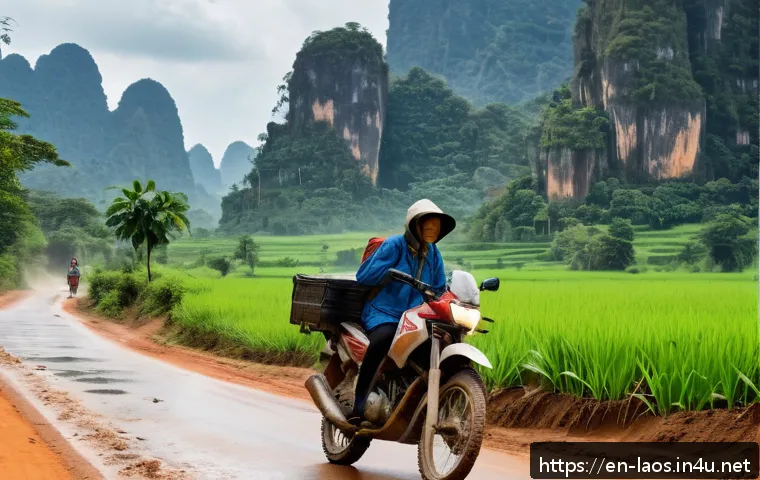
Laos generally has rainy and drier seasons, though conditions vary by region and year. Weather can affect travel plans, particularly where roads or project sites are remote. Ask what happens if travel is delayed, whether there is an arrival contingency plan, and how the program communicates schedule changes.
Choose the Right Option for Your Travel Style and Experience
First-time international volunteers seeking structured support
A hosted placement may be easier to manage if you want help with accommodation, arrival planning, orientation, and local contacts. Still, confirm what “support” means in practice. Ask who meets you, who supervises you, and what help is available outside scheduled project hours.
Students looking for service-learning or academic alignment
Students should look for roles with clear learning objectives, supervision, and realistic responsibilities. If academic credit or service-learning recognition matters, confirm requirements with your institution and the provider before paying fees. A strong placement can explain the work, learning boundaries, and expected conduct without exaggerating outcomes.
Professionals considering skills-based contributions
Professionals should prioritize placements that have requested their expertise and can integrate it responsibly. Ask who will use the work after you leave and whether local staff have control over the project direction. A specialized role without local ownership may be less useful than a smaller, well-supported contribution.
Independent travelers who can manage more logistics themselves
Independent travel may work if you can arrange accommodation, transport, insurance, entry documents, and reliable communication without a packaged program. It requires more research and flexibility. Keep written records of agreements, contacts, and what each party expects before arrival.
Selection Criteria and Comparison Summary
Before choosing a Laos volunteer program, compare fee inclusions, accommodation standards, supervision, local leadership, safeguarding, insurance needs, flights, and cancellation terms. Confirm whether meals, transport, visa-related costs, and emergency support are included or separate. Paying more may be reasonable when it provides transparent coordination and risk management, but only if the provider can explain the value clearly. Pause or decline if the role is unclear, child safeguarding is weak, local leadership is absent, or costs remain vague. For final decisions, review the provider’s official program page and detailed conditions before booking.
Closing Thoughts
A Laos volunteer placement should fit both the community’s priorities and your actual ability to contribute. Focus on transparent costs, appropriate supervision, and locally led work rather than attractive marketing alone. Build your plan around the full travel budget, not just the headline program fee. Careful questions before departure can prevent avoidable problems later.
Useful Things to Know
1. Vientiane is the capital of Laos.
2. Lao is the official language; English use can be more limited outside tourism-facing settings and organized programs.
3. Laos is landlocked and uses the Lao kip (LAK).
4. Weather, roads, entry rules, and local accommodation availability should be checked close to your travel dates.
Important Notes
Program quality, current fees, safety records, project permissions, local conditions, and entry requirements cannot be assumed from general information. Verify these details directly with the provider and appropriate official sources. Insurance coverage and health-related requirements should also be reviewed based on your own plans and nationality.
Frequently Asked Questions
Q1. How much does a Laos volunteer program cost once flights, insurance, visas, and daily expenses are included?
A1. The total depends on the program fee and what it includes, plus flights, insurance, visa-related costs, accommodation, meals, transport, and personal spending. Request an itemized list from the provider and make a separate travel budget for costs outside the package.
Q2. How can I tell whether a volunteer placement in Laos is responsible and genuinely useful to the local community?
A2. Look for locally led goals, clear supervision, suitable volunteer roles, and evidence that the work does not replace paid local employment. For projects involving children or vulnerable groups, ask for safeguarding, screening, and child-protection policies.
Q3. Is Laos a suitable destination for first-time international volunteers, and what support should a program provide?
A3. It may suit first-time volunteers who choose a placement with clear logistics and realistic responsibilities. Ask about accommodation, orientation, local contacts, supervision, emergency procedures, transport, and support if plans change. Confirm entry and health requirements before travel.