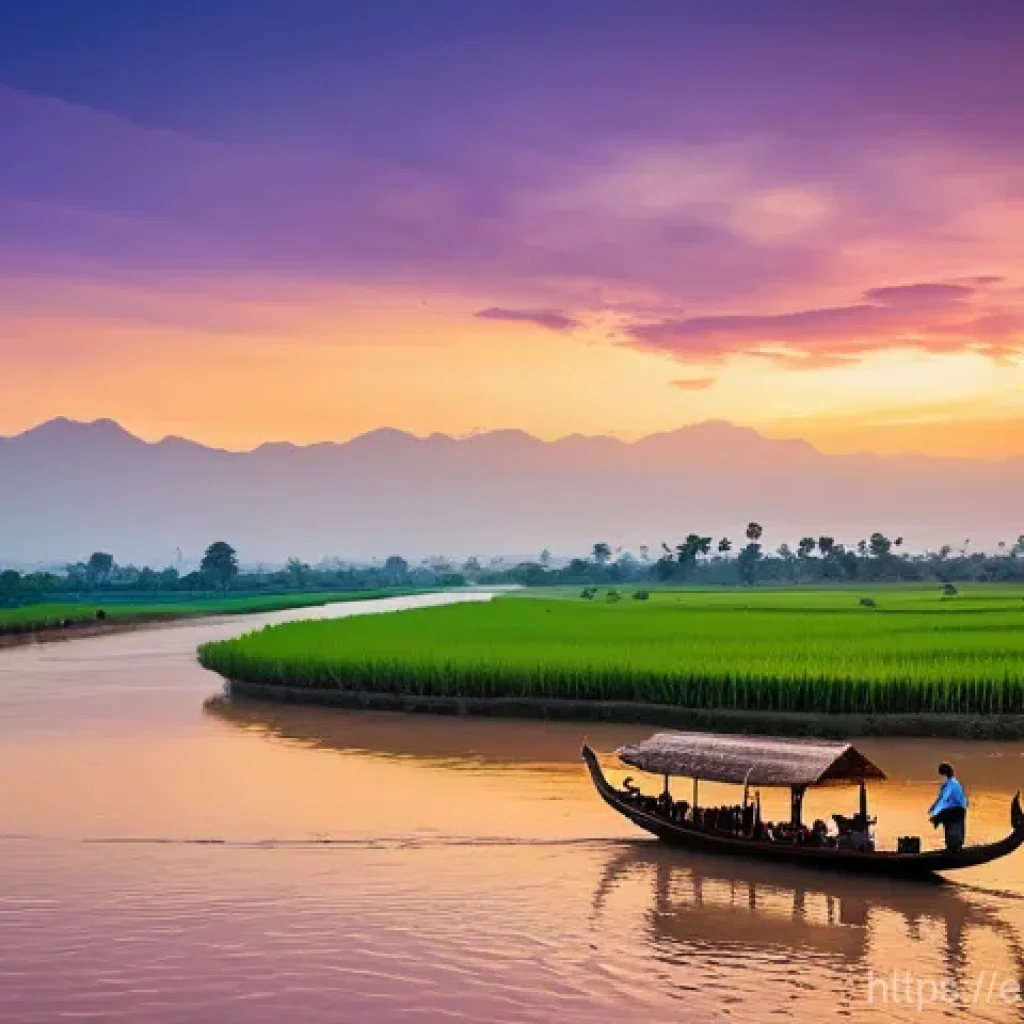
You know, there’s just something incredibly captivating about Vientiane, a city that unfailingly surprises first-time visitors with its beautifully serene, almost sleepy charm.
Yet, beneath that wonderfully laid-back exterior lies a history as rich, complex, and profoundly turbulent as any capital you’ll find across Southeast Asia.
Can you imagine a place that, from its ancient origins as a humble settlement along the mighty Mekong River, rose majestically to become the illustrious heart of the powerful Lan Xang kingdom in the 16th century, often referred to as the ‘Land of a Million Elephants’?
This resilient capital has weathered everything from devastating invasions that nearly razed it to the ground by Siamese forces to a fascinating and transformative revival under French colonial influence, which, as you’ll see, has left an indelible mark on its graceful architecture and unique ambiance.
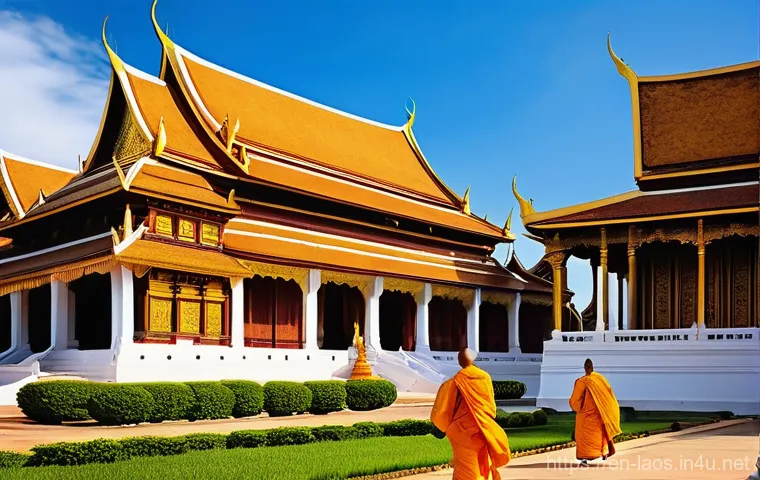
My personal experience exploring its charming, tree-lined boulevards, witnessing the golden grandeur of That Luang, and wandering through the incredibly historic Wat Sisaket, truly brings to life how these distinct layers of the past have beautifully shaped the vibrant, unique city we encounter today.
It’s a place that continually evolves, balancing subtle modernity with a fierce dedication to preserving its incredible, deep-rooted heritage and distinct cultural identity.
I’ve personally found that understanding this journey makes every temple, every street, feel so much more meaningful. Curious to truly uncover more about the captivating story that makes Vientiane so profoundly special?
Let’s accurately delve into it below and explore its fascinating journey!
The Mekong’s Embrace: Where Vientiane First Breathed Life
You know, sometimes when I walk along the tranquil banks of the Mekong in Vientiane, I can almost feel the ancient echoes of its beginnings. It’s truly fascinating to consider that this bustling, yet incredibly serene, capital started out as nothing more than a humble settlement, shaped by the very river that still flows beside it today.
Imagine, centuries ago, people choosing this particular bend in the Mekong, not just for its fertile lands, but for its strategic position. It felt like a natural magnet, drawing communities together.
The river wasn’t just a boundary; it was the lifeblood, a superhighway for trade, a provider of sustenance, and a source of countless stories. My first visit to the riverfront at sunset, watching the longtail boats drift by, really drove home how intrinsically linked the city’s destiny has always been with this magnificent waterway.
It’s hard to picture Vientiane without the Mekong, and honestly, why would you want to? It’s a relationship that defined its very genesis, allowing it to slowly but surely grow from a collection of small villages into something much grander.
That initial strategic choice, way back when, laid the foundation for everything that followed, setting the stage for Vientiane’s remarkable journey through time.
Whispers of Ancient Settlements
Before Vientiane truly became “Vientiane” in the grand sense, this stretch of the Mekong was dotted with various small communities, each with its own rhythm of life.
We’re talking about a time when communal living and river-based economies were the norm. These early settlers, with their intimate knowledge of the river’s ebb and flow, understood the land’s potential.
They built their homes, farmed the floodplains, and worshipped local spirits, all while the Mekong hummed its timeless tune. It’s easy to get lost in the grandeur of later empires, but I think it’s crucial to remember these quiet beginnings, the foundational layers laid by those anonymous hands.
The River as a Lifeline and Gateway
For these early inhabitants, and indeed for centuries to come, the Mekong was everything. It wasn’t just a source of water or food; it was the primary conduit for cultural exchange and commerce.
Goods and ideas traveled up and down its currents, connecting Vientiane to a vast network of kingdoms and peoples. I’ve often thought about what it must have been like – the bustling riverbanks, the foreign traders, the exchange of stories and traditions.
It paints such a vivid picture in my mind, far more dynamic than any textbook could convey. This river-centric existence allowed Vientiane to absorb influences, to grow, and to eventually blossom into the significant urban center it was destined to become.
The Golden Age of Lan Xang: Vientiane’s Time to Shine
Oh, if walls could talk, the ones in Vientiane would surely recount tales of the glorious Lan Xang kingdom! When I first learned about this era, often dubbed the “Land of a Million Elephants,” I was truly captivated.
It wasn’t just a name; it evoked such a powerful image of strength, prosperity, and spiritual devotion. Vientiane, in the 16th century, rose to become its radiant heart, a cultural and religious powerhouse that left an indelible mark on the region.
The move of the capital from Luang Prabang to Vientiane by King Setthathirath in 1560 wasn’t just a geographical shift; it was a profound strategic and symbolic declaration.
He saw the potential here, the defensible position, the fertile lands, and perhaps most importantly, the spiritual energy that he could harness to truly solidify the kingdom’s prestige.
You can still feel echoes of this golden age in the city’s most magnificent structures, like Pha That Luang, whose golden spires still gleam under the tropical sun, a testament to a time when Vientiane truly shone brightest.
It’s a feeling you simply don’t get from postcards; it’s something you experience when you’re there, standing in the presence of such history.
King Setthathirath’s Vision
King Setthathirath was, without a doubt, a visionary. His decision to move the capital was a masterstroke, transforming Vientiane into a hub of Buddhist learning and artistic expression.
He poured resources into constructing magnificent temples and stupas, effectively branding Vientiane as the spiritual and political nexus of Lan Xang.
I always imagine him overseeing these grand projects, his vision shaping the very skyline of the city. He wasn’t just building structures; he was building an identity, cementing a legacy that would resonate for centuries.
His personal touch, his passion for the arts and for Buddhism, permeated every aspect of this new capital.
A Flourishing of Culture and Faith
Under Setthathirath and his successors, Vientiane truly flourished. This wasn’t just about political power; it was a cultural renaissance. Art, literature, and religious scholarship thrived.
Monasteries became centers of learning, attracting monks and scholars from across Southeast Asia. The city became a vibrant tapestry of intellectual and spiritual life, radiating influence far beyond its borders.
When I visited Wat Sisaket, I could almost picture the monks debating ancient texts, the air thick with incense and devotion. This golden age laid the groundwork for much of the Lao identity we see today, a profound respect for tradition and a deep connection to Buddhist philosophy.
It’s an incredibly rich period to reflect upon.
Through the Fires of Invasion: Vientiane’s Unyielding Spirit
You know, it’s easy to look at Vientiane today and see only its peaceful charm, but dig a little deeper, and you uncover a story of incredible resilience, one marked by devastating invasions and a phoenix-like ability to rise from the ashes.
The history books often gloss over the sheer brutality, but Vientiane has, more than once, been brought to its knees, particularly by Siamese forces in the late 18th and early 19th centuries.
My heart aches just thinking about the accounts of these times – the city sacked, its magnificent temples plundered, and its population displaced. It’s hard to imagine the scale of destruction, the loss of life, and the immense effort it would have taken to simply survive, let alone rebuild.
Yet, against all odds, the spirit of Vientiane, and indeed the Lao people, never truly broke. This period wasn’t just a series of military defeats; it was a crucible that forged an unyielding national identity, a quiet determination that still subtly permeates the city’s gentle demeanor today.
Every brick, every restored Buddha image, feels like a testament to that incredible fortitude.
The Siamese Invasions and Devastation
The most crushing blow came in 1828, following a rebellion led by King Anouvong. The reprisal was brutal and thorough. Vientiane was virtually razed to the ground, its population forcibly relocated, and its treasures carried off.
For decades, it lay largely deserted, a ghost of its former self. It’s sobering to think about a capital city reduced to rubble, overgrown by jungle, a stark reminder of the volatile political landscape of Southeast Asia in past centuries.
This wasn’t just a war; it was an attempt to erase a kingdom’s very existence, to dismantle its heart.
The Long Road to Revival
Despite the utter devastation, the seed of Vientiane’s spirit remained. While it took time, and later external forces, to truly kickstart its revival, the memory of what it once was persisted.
The sheer will to reclaim what was lost, to preserve cultural identity even in the face of such overwhelming destruction, is a testament to the strength of the Lao people.
It reminds me that even in the darkest times, hope and the desire for self-determination can never be fully extinguished. The ruins eventually gave way to new growth, both literally and figuratively, paving the way for the next chapter in its storied life.
Colonial Whispers: The French Influence on Vientiane’s Unique Charm
Stepping into certain parts of Vientiane, you can almost hear the faint echoes of French colonial times, a charming, almost melancholic whisper woven into the city’s fabric.
For me, it’s one of the most intriguing layers of Vientiane’s history. After its devastation, it was under French colonial rule that Vientiane experienced a fascinating, albeit complex, revival.
The French, seeking to establish their Indochinese empire, designated Vientiane as the administrative capital of Laos in the late 19th century. This decision brought with it a wave of reconstruction and architectural transformation.
What strikes me most is how this period didn’t erase Vientiane’s inherent Lao character but rather added a distinct, sometimes elegant, sometimes incongruous, European veneer.
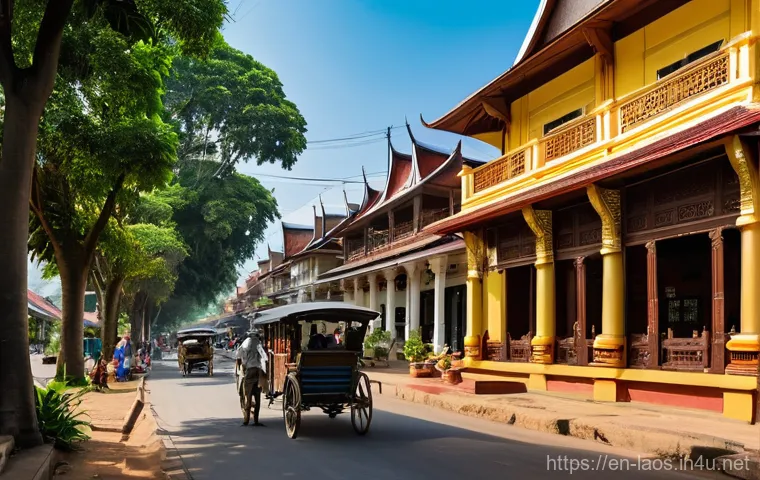
You see it in the wide, tree-lined boulevards, the charming French colonial villas with their distinctive shutters, and even in the lingering aroma of fresh baguettes from local bakeries.
It’s a blend that creates a truly unique ambiance, a testament to a period of history that, for better or worse, dramatically reshaped the city’s appearance and infrastructure.
Reconstruction and Architectural Legacy
The French meticulously planned and rebuilt parts of Vientiane, laying out broad avenues and constructing public buildings that still stand today. They brought with them European architectural styles, which merged in fascinating ways with local traditions.
Imagine the early 20th century, with French engineers and architects overseeing the construction of new government offices, post offices, and elegant residences, bringing a touch of Parisian sophistication to the banks of the Mekong.
It’s quite a contrast to the traditional wooden homes and gilded temples, creating a visual dialogue between two very different worlds. This rebuilding effort, driven by colonial ambition, inadvertently created much of the physical charm that visitors enjoy today.
A Fusion of Cultures
Beyond just architecture, the French influence seeped into daily life, even if subtly. French became the language of administration and education for a time, and elements of French cuisine found their way into local fare.
When I sip my morning Lao coffee at a café that could easily be on a Parisian side street, or grab a freshly baked *khao jii* (Lao baguette sandwich), I can’t help but appreciate this unique cultural fusion.
It’s a living, breathing testament to a historical period, creating a distinct identity that sets Vientiane apart from other Southeast Asian capitals.
It’s not just history; it’s a sensory experience that tells a story of convergence and adaptation.
Post-Independence: Vientiane Forges Its Own Path
It’s truly inspiring to witness how Vientiane, after enduring centuries of external influences and devastating conflicts, finally embarked on its journey of self-determination in the mid-20th century.
The path to independence in 1953 wasn’t a simple, clear-cut one; it was fraught with challenges, internal strife, and the looming shadows of regional conflicts.
For a city that had been repeatedly shaped by foreign powers, establishing its own identity as the capital of an independent Laos was a monumental task.
I often reflect on the sheer courage it must have taken for the Lao people to reclaim their sovereignty and begin the arduous process of nation-building.
This period saw Vientiane not just as a geographical capital, but as a symbolic heart, a place where the aspirations of a new nation were slowly, painstakingly, taking root.
It’s a chapter of profound significance, showcasing a people’s unwavering commitment to their future, even as they navigated a complex geopolitical landscape.
The Tumultuous Road to Nationhood
The years following independence were anything but peaceful. Laos, and by extension Vientiane, found itself caught in the crosscurrents of the Cold War and regional conflicts, particularly the Vietnam War.
This led to decades of political instability and, tragically, some of the most intense bombing campaigns in history in parts of the country. Vientiane, while spared the direct brunt of much of the ground fighting, still felt the reverberations of these tumultuous times.
It was a period of immense uncertainty, yet through it all, the city maintained its role as the national capital, a beacon of hope for a stable future.
Building a New Identity
Despite the external pressures, Vientiane gradually began to assert its own unique character. The focus shifted to developing infrastructure, establishing national institutions, and fostering a sense of unified Lao identity.
New government buildings rose, and local customs and traditions were actively promoted. While the scars of conflict were deep, the commitment to peace and self-governance propelled the city forward.
It’s a reminder that even in the face of immense adversity, a capital city can serve as a powerful symbol of resilience and the unyielding spirit of its people.
I always feel a sense of quiet pride for the city’s journey when I see how far it has come.
| Period | Approximate Dates | Key Characteristics |
|---|---|---|
| Early Settlements | Pre-14th Century | Humble beginnings along the Mekong, agrarian societies, early trade routes. |
| Lan Xang Golden Age | 14th – 18th Century | Capital of the powerful “Land of a Million Elephants,” cultural and religious flourishing, construction of major temples like Pha That Luang. |
| Period of Devastation | Late 18th – Early 19th Century | Repeated invasions, particularly by Siamese forces, leading to the city’s destruction and near abandonment. |
| French Colonial Era | Late 19th Century – 1953 | Reconstruction, Vientiane established as administrative capital, European architecture and infrastructure development, cultural fusion. |
| Post-Independence & Modern Era | 1953 – Present | Struggles for self-determination, Cold War influences, gradual development, balancing tradition with subtle modernity. |
Vientiane Today: A Harmonious Blend of Past and Present
Walking through Vientiane today is like strolling through a living museum, where every corner reveals another layer of its incredibly rich history, all while subtly embracing modernity.
What I absolutely adore about this city is how effortlessly it manages to balance its deep-rooted heritage with the gentle hum of contemporary life. You won’t find the dizzying skyscrapers or frantic pace of some other Southeast Asian capitals here, and honestly, that’s part of its charm.
Instead, you encounter a captivating mix: ancient temples shimmering next to colonial-era buildings, bustling morning markets offering traditional Lao delicacies alongside modern cafes serving excellent espresso, and the quiet dignity of Buddhist monks walking past smartphone-wielding tourists.
It’s a city that respects its past but isn’t afraid to evolve, maintaining an identity that feels uniquely its own. Every time I visit, I discover something new, yet the underlying serene spirit of Vientiane always remains.
It’s a truly special place that invites you to slow down and simply soak it all in.
Preserving Sacred Traditions
Despite the winds of change, Vientiane remains fiercely dedicated to preserving its spiritual heart. The countless wats (temples) aren’t just historical relics; they are vibrant, active centers of faith and community.
You’ll see locals making offerings, monks going about their daily routines, and the air filled with the quiet reverence of Buddhist practices. Places like Wat Sisaket, with its thousands of Buddha images, or Wat Ho Phra Keo, housing a replica of the Emerald Buddha, are not just tourist attractions; they are living testaments to a spiritual heritage that has endured for centuries.
This commitment to maintaining their traditions is something I deeply admire and truly enriches the city’s atmosphere.
Subtle Modernity and Daily Life
While tradition holds strong, Vientiane isn’t stuck in the past. There’s a subtle, almost understated, embrace of modernity. You’ll find increasingly sophisticated cafes, boutique hotels, and burgeoning art spaces, especially around the riverside.
The city is growing, slowly but surely, with new businesses emerging and a younger generation bringing fresh energy. Yet, it does so without sacrificing its soulful character.
The pace remains unhurried, the people exceptionally friendly, and the sense of community palpable. It’s this beautiful balance, this gentle dance between old and new, that makes Vientiane such a compelling and endlessly charming place to explore.
It feels authentic, lived-in, and utterly captivating.
My Personal Journey: Uncovering Vientiane’s Soul
You know, some cities just grab you from the moment you arrive, and Vientiane has always been one of those places for me. It’s not about grand gestures or flashy attractions; it’s about the subtle nuances, the quiet moments, and the profound sense of history that seems to permeate everything.
My first trip there, years ago, felt less like a visit and more like an unfolding conversation. I remember vividly the sensation of the warm, humid air, the scent of jasmine and grilled street food mingling together, and the soft chime of temple bells carried on the breeze.
It truly felt like stepping into a different rhythm of life. What really struck me wasn’t just the beauty of the temples or the elegance of the French colonial buildings, but the way these layers of the past seemed to coexist so harmoniously, almost telling their stories directly to me as I wandered the tree-lined streets.
It’s a city that encourages you to slow down, to observe, and to truly connect with its rich, multifaceted soul.
First Impressions and Lingering Charms
My initial impressions were definitely of that “sleepy charm” I mentioned earlier, which is often what first-time visitors feel. But beneath that calm exterior, I quickly discovered a depth and complexity that kept pulling me back.
The kindness of the local people, the unexpected discoveries down a quiet alley, the taste of a perfect *lap* (minced meat salad) at a roadside stall – these are the moments that truly create a lasting bond with a place.
I wasn’t just looking at sights; I was experiencing life, feeling the pulse of a city that had seen so much yet retained such an incredible sense of peace.
That lingering charm, that sense of gentle surprise, is something I now look forward to with every return visit.
Connecting with the Past, Feeling the Present
For me, truly understanding Vientiane means connecting with its past. Standing before Pha That Luang, I don’t just see a golden stupa; I see centuries of devotion and ambition.
Walking through Wat Sisaket, I picture the monks and scholars who once debated within its walls. These historical touchstones aren’t just points on a map; they’re doorways to understanding the resilience and cultural richness of the Lao people.
And in those connections, I feel a deeper appreciation for the present-day Vientiane – a city that, despite its tumultuous journey, continues to offer a serene and welcoming embrace.
It’s a personal journey that truly resonates with me every single time.
Concluding Thoughts
It’s truly something special to look at Vientiane today and see how effortlessly it carries centuries of history, resilience, and unique cultural blending.
From its humble origins shaped by the Mekong to its periods of grand kingdoms, devastating invasions, and fascinating colonial influences, this city has a soul that feels deeply rooted and incredibly enduring.
My hope is that sharing its journey has not only shed light on its past but also deepened your appreciation for the serene and welcoming capital it has become.
It’s a place that genuinely invites you to slow down, connect, and discover its many layers for yourself, promising an experience that lingers long after you’ve left its tranquil banks.
Useful Information to Know
1. Timing Your Visit for Perfect Vibes: If you’re dreaming of sun-drenched days and comfortable evenings, aim for the dry season, typically from November to February. The weather is absolutely glorious then, perfect for exploring temples, cycling along the river, or just sipping a Lao coffee al fresco without battling the humidity. Trust me, experiencing the city when the air is crisp and the skies are clear makes all the difference, allowing you to truly immerse yourself in Vientiane’s gentle rhythm without breaking a sweat. It’s when the Mekong is at its most serene and the outdoor markets buzz with a lively, yet relaxed, energy that you’ll cherish. Avoiding the peak of the hot season (March-May) or heavy rains (June-October) will greatly enhance your overall experience here.
2. Navigating the City with Ease: Vientiane is incredibly walkable in many areas, but for longer distances or when the heat kicks in, you’ll find plenty of convenient options. Tuk-tuks are ubiquitous and a fun way to get around – just remember to negotiate your fare politely before hopping in! For a more comfortable or fixed-price ride, ride-hailing apps like Loca are readily available and widely used, offering a modern alternative that many visitors appreciate. And for those who love a leisurely pace, renting a bicycle is fantastic; the city is relatively flat, and it’s a wonderful way to discover hidden alleys and charming neighborhoods at your own speed, feeling the gentle breeze as you explore.
3. Embracing Local Customs with Respect: Laos is a deeply Buddhist country, and showing respect for local customs goes a long way. When visiting temples (wats), remember to dress modestly, covering your shoulders and knees. It’s also customary to remove your shoes before entering temples or private homes – a small gesture that speaks volumes. When interacting with locals, a gentle nod or a “Sabaidee” (hello) with a *nop* (a prayer-like hand gesture) is always appreciated. It’s these little acts of cultural sensitivity that truly connect you with the friendly Lao people and allow for more meaningful interactions during your stay, enriching your entire journey in a way tourist traps simply can’t.
4. A Culinary Adventure Not to Be Missed: Get ready for a treat, because Lao cuisine is utterly delicious and Vientiane is the perfect place to dive in! You absolutely must try *Lap*, the national dish – a flavorful minced meat salad bursting with herbs and spices that I personally can’t get enough of. Don’t miss *Khao Piak Sen*, a comforting noodle soup, or the fiery *Tam Mak Hoong* (Lao papaya salad), which has a unique kick that sets it apart. The street food scene along the Mekong riverfront comes alive in the evenings, offering everything from savory *Sai Oua* (Lao sausage) to freshly grilled fish. And yes, thanks to the French influence, you can still find incredible, crusty baguettes (*khao jii*) for breakfast, often stuffed with savory fillings for a delightful fusion sandwich.
5. The Irresistible Charm of the Mekong Riverfront: This is, without a doubt, the beating heart of Vientiane, especially as the sun begins to set. Every evening, the riverfront transforms into a lively hub where locals and tourists alike gather to relax, socialize, and enjoy the cool breeze. Strolling along, you’ll find pop-up food stalls, impromptu exercise classes, and vendors selling all sorts of trinkets. It’s the perfect spot to grab a cold Beerlao, indulge in some incredible street food, and simply watch the boats drift by as the sky paints itself in vibrant hues. For me, it’s a non-negotiable daily ritual when I’m in Vientiane – a truly authentic slice of local life that encapsulates the city’s laid-back yet vibrant spirit. You’ll understand exactly what I mean once you experience it yourself, feeling the energy and the calm all at once.
Key Takeaways
Vientiane’s story is a compelling narrative of enduring spirit and graceful adaptation, beginning with its humble origins nestled along the mighty Mekong River. This magnificent waterway was far more than a geographical feature; it was the cradle of early settlements, fostering trade and cultural exchange that laid the fundamental groundwork for the city’s future, shaping its very identity and allowing it to slowly blossom from a collection of villages into a significant urban center. The strategic choice of its location proved pivotal, providing both sustenance and protection, and creating a magnet for communities, ensuring its foundational strength for centuries to come.
The city truly stepped into its own during the Golden Age of the Lan Xang kingdom, when King Setthathirath, with remarkable foresight, relocated the capital here in the 16th century. This decision ushered in an era of profound cultural and religious flourishing, transforming Vientiane into a radiant hub of Buddhist learning and artistic expression. Magnificent temples and stupas, like the iconic Pha That Luang, rose from the earth, solidifying its prestige and creating an indelible legacy that continues to define much of the Lao identity and architectural landscape we see today, echoing a time of immense prosperity and spiritual devotion.
However, Vientiane’s path was not without immense hardship. It repeatedly faced the ravages of invasion, most notably the devastating Siamese incursions of the late 18th and early 19th centuries, which left the city virtually razed and deserted. Yet, from these ashes, a truly unyielding spirit emerged. This period, though brutal, forged an unbreakable sense of national identity and resilience among the Lao people, demonstrating an incredible fortitude to rebuild and reclaim their heritage, proving that even in the face of overwhelming destruction, the essence of a place and its people can never be fully extinguished. The quiet determination that defines the city today is a testament to this remarkable history of survival and renewal.
Adding another fascinating layer to its complex narrative, the French colonial era brought a unique wave of reconstruction and architectural transformation. Designating Vientiane as the administrative capital of Laos, the French meticulously planned wide boulevards and constructed elegant villas and public buildings, introducing a distinct European veneer that subtly merged with the existing Lao character. This fusion, visible in the charming streetscapes and even in the culinary scene, created a truly unique ambiance that sets Vientiane apart, offering a captivating dialogue between East and West and contributing significantly to the city’s distinctive aesthetic and infrastructure that visitors admire today, a testament to a fascinating historical convergence.
In its post-independence journey, Vientiane has gracefully forged its own path, steadily developing into a harmonious blend of its storied past and a gentle modernity. While it may not boast the frenetic pace or towering skylines of some regional capitals, its charm lies in this deliberate balance – where ancient temples coexist peacefully with colonial architecture, and traditional markets thrive alongside emerging cafes and boutiques. This serene yet resilient capital offers an authentic and deeply personal experience, inviting visitors to slow down, soak in its rich history, connect with its incredibly friendly people, and truly uncover the profound and welcoming soul that makes Vientiane such an endlessly captivating destination, a testament to its enduring peace and unique identity.
Frequently Asked Questions (FAQ) 📖
Q: What exactly gives Vientiane its uniquely serene yet historically rich character that so many visitors fall in love with?
A: Oh, that’s a fantastic question, and one I often ponder myself when I’m wandering its quiet streets! I truly believe Vientiane’s charm comes from this incredible layering of time and culture.
You see, it started as a humble settlement right by the mighty Mekong River, which itself lends such a peaceful, almost languid rhythm to daily life. That deep connection to the river is still palpable, making you feel instantly relaxed.
But don’t let that calm fool you; this city was once the glorious heart of the Lan Xang kingdom, known as the ‘Land of a Million Elephants,’ which means centuries of power and spiritual devotion are embedded in its very foundations.
Then, overlay that with the transformative influence of French colonialism, which, despite its complexities, left behind those graceful, tree-lined boulevards and distinctive architecture that give the city a truly European touch without losing its Lao soul.
It’s this beautiful, gentle fusion – the ancient Buddhist heritage alongside the subtle echoes of French elegance, all played out against the backdrop of the Mekong’s tranquil flow – that just creates an atmosphere unlike anywhere else.
It’s a city that allows you to breathe deeply while still being surrounded by stories from a profound past.
Q: How profoundly did French colonial influence truly shape Vientiane, and where can we still see its impact today?
A: It’s astonishing, isn’t it, how certain historical periods just leave such an undeniable fingerprint? Vientiane’s French colonial era, lasting from the late 19th century into the 1950s, dramatically reshaped its urban landscape and even aspects of its culture.
Before the French, Vientiane was largely made up of traditional wooden structures, but they brought with them a vision of grand boulevards and impressive architecture.
You can literally walk through the city today and feel it. The wide avenues, often shaded by mature trees, and those charming colonial buildings with their shutters and red-tiled roofs?
They’re everywhere, especially near the riverside along Quai Fa Ngum and along Lane Xang Avenue, which some lovingly call the “Champs-Élysées of Vientiane.” What I personally found so intriguing is how these structures, like the former French governor’s palace (now the Presidential Palace) or buildings converted into museums, have been gracefully repurposed, blending seamlessly into the modern city.
And honestly, you can’t miss the iconic Patuxai, often dubbed Vientiane’s “Arc de Triomphe,” which perfectly symbolizes this blend – a French-inspired monument with unmistakably Laotian motifs and design elements, built to commemorate Lao soldiers.
Beyond the architecture, you might even notice a subtle French influence in the local bakeries, offering delicious baguettes and pastries – a delightful legacy for any foodie!
Q: What are the absolute must-visit historical and cultural landmarks in Vientiane that truly bring its rich and complex past to life for visitors?
A: If you’re anything like me, you want to dive deep into a city’s soul, and Vientiane offers some truly unforgettable spots to do just that! My top recommendations, without a doubt, start with the majestic Pha That Luang.
This golden stupa isn’t just stunningly beautiful; it’s the national symbol of Laos and holds immense religious significance, with a history tracing back centuries.
Standing before it, especially as the sun catches its golden spires, you really feel the weight of history and devotion. Then, you absolutely have to experience Wat Sisaket.
It’s the oldest surviving temple in Vientiane, incredibly peaceful, and famed for its cloister walls adorned with thousands – yes, thousands! – of tiny Buddha images.
When I walked through there, it felt like stepping back in time, a truly contemplative experience. Right across the street, you’ll find Haw Phra Kaew, which was originally built to house the Emerald Buddha (now in Thailand) and serves as a beautiful religious art museum today.
And of course, as I mentioned, Patuxai, the Victory Gate, is a must-see. Climb to the top if you can; the panoramic views of the city are fantastic, and it’s an incredible reminder of Laos’s struggle for independence.
Each of these places tells a vital part of Vientiane’s story, from its ancient spiritual roots to its more recent tumultuous journey, and you can’t help but feel a profound connection to the city’s spirit when you visit them.