Hey there, amazing readers! It’s always a thrill to connect with you, and today, I’m bringing you a topic that’s been close to my heart since my last incredible journey.
You know how much I love exploring the hidden gems of our world, digging deep into cultures that truly inspire and educate. I’ve found that the most profound travel experiences often come from stepping off the beaten path and really connecting with the people who call these places home.
Recently, I had the privilege of immersing myself in the vibrant tapestry of Laos, and what truly captivated me was the rich diversity of its ethnic minority groups.
These communities, often living in remote villages, are the keepers of ancient traditions, unique languages, and astonishing craftsmanship that tell a story far older than any guidebook can.
It really hit me how important it is to understand their way of life, especially as the world around them changes at a rapid pace. We often hear about major tourist destinations, but the heart and soul of a country often reside in these less-explored corners, facing unique challenges and opportunities.
Understanding these resilient communities not only enriches our travel perspective but also highlights the global importance of cultural preservation and responsible engagement in an increasingly interconnected world.
If you’re ready to uncover the beautiful stories and vital challenges facing these incredible communities, let’s dive deeper below!
Unveiling Ancient Echoes: The Guardians of Tradition
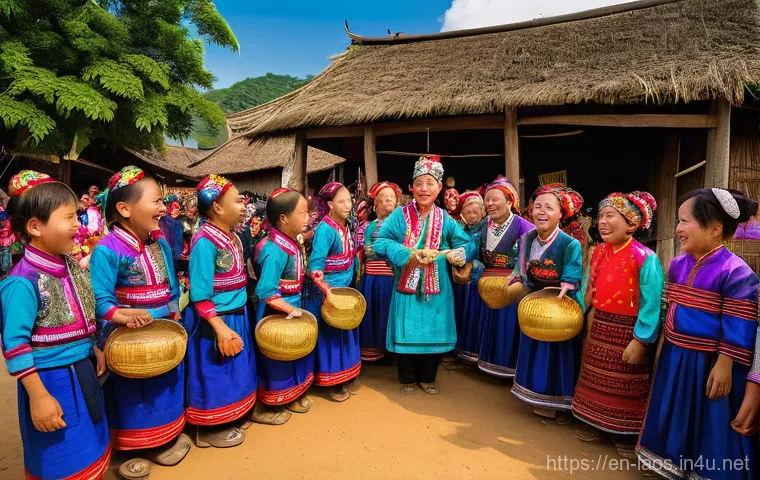
Stepping into the villages nestled deep within Laos felt like unlocking a secret chapter of history. My recent journey truly opened my eyes to the incredible tapestry of ethnic minority groups who are, in essence, the living libraries of this breathtaking country. It’s not just about what you read in a guidebook; it’s about feeling the pulse of their ancient customs, witnessing skills passed down through countless generations, and hearing stories whispered across centuries. I vividly remember sitting by a crackling fire in a Hmong village, the air thick with the scent of woodsmoke and the distant sound of gongs, listening to an elder recount tales of their ancestors. It struck me then how vital these traditions are, not just for their communities, but for all of us, as they offer unique perspectives on human connection to nature and community. Their resilience in preserving these ways of life, despite the pull of the modern world, is nothing short of inspiring, and it’s a privilege to share a glimpse into their profound heritage. The way they celebrate life, mourn loss, and build community through shared rituals is a masterclass in living authentically, and it’s a lesson I’ve carried with me ever since.
The Art of Everyday Life: Sustaining Cultures Through Craft
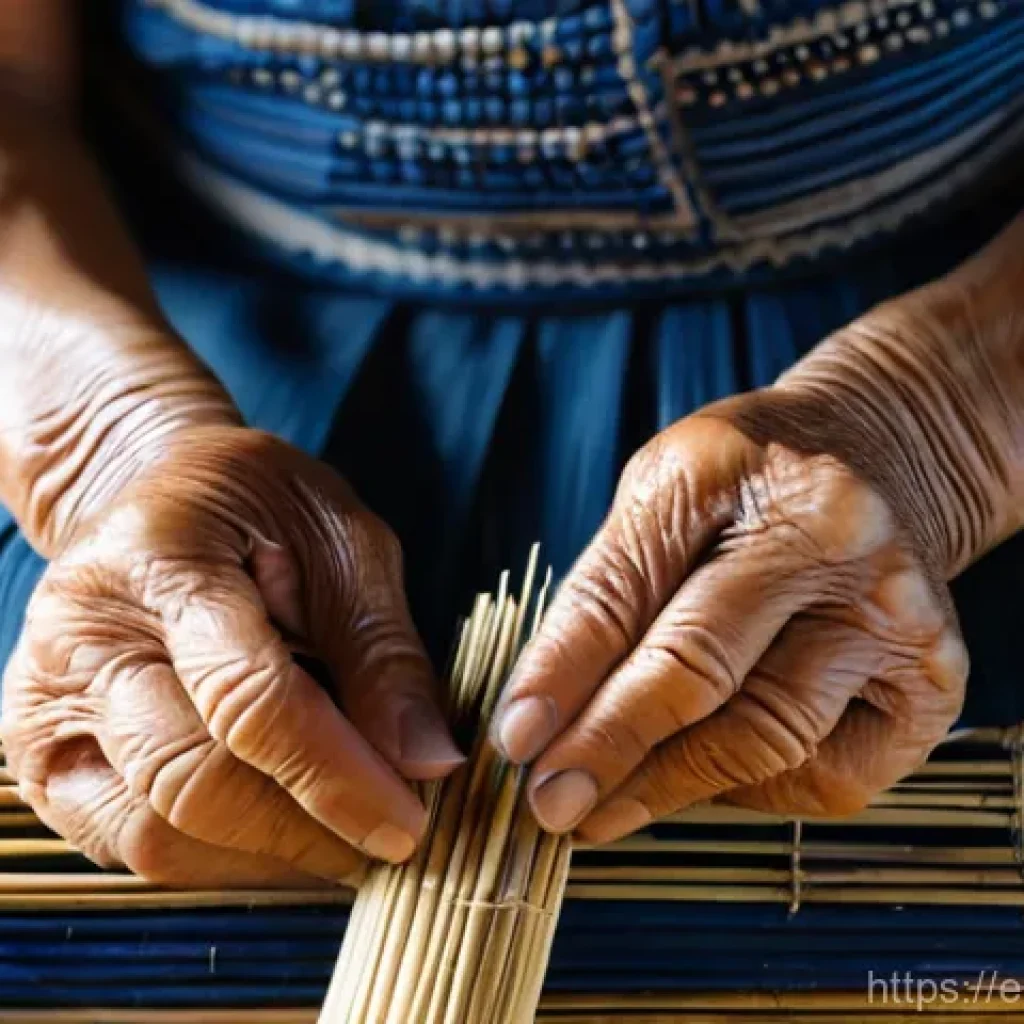
One of the most striking aspects of these communities is how deeply their daily lives are intertwined with art and craftsmanship. It’s not just a hobby; it’s a livelihood, a form of expression, and a preservation of identity. I was absolutely mesmerized watching a Khmu woman expertly weave intricate patterns from bamboo and rattan, her hands moving with a practiced grace that only decades of experience can bring. Every basket, every piece of fabric, tells a story. The vibrant textiles of the Hmong, with their detailed embroidery and indigo dyes, are like wearable histories, each stitch carrying meaning. I remember picking up a small, intricately carved wooden figure, feeling the smooth grain under my fingers, and realizing the immense patience and skill that went into its creation. These crafts aren’t merely decorative; they are functional, spiritual, and economically crucial, often providing the primary source of income. It’s truly incredible how their artistic traditions continue to thrive, not in museums, but in the hands of everyday people.
Whispers of the Past: Languages and Oral Histories
Beyond the tangible crafts, the linguistic diversity among these groups is a treasure trove. Laos is home to dozens of distinct languages and dialects, each a unique window into a different worldview. During my travels, I tried my best to pick up a few phrases, and while challenging, the effort was always met with warm smiles and enthusiastic responses. Many of these languages are primarily oral, meaning their history, folklore, and wisdom are passed down through storytelling and song. I spent an evening with an Akha family, enchanted by their traditional songs, which told epic tales of creation and tribal migrations. It was a powerful reminder of how fragile these cultural assets can be if not actively nurtured. Losing a language isn’t just losing words; it’s losing unique ways of thinking, specific knowledge about the environment, and entire mythologies. Supporting these communities often means supporting the preservation of these vital oral traditions, which are as rich and complex as any written history.
Beyond the Guidebook: Daily Life in Remote Villages
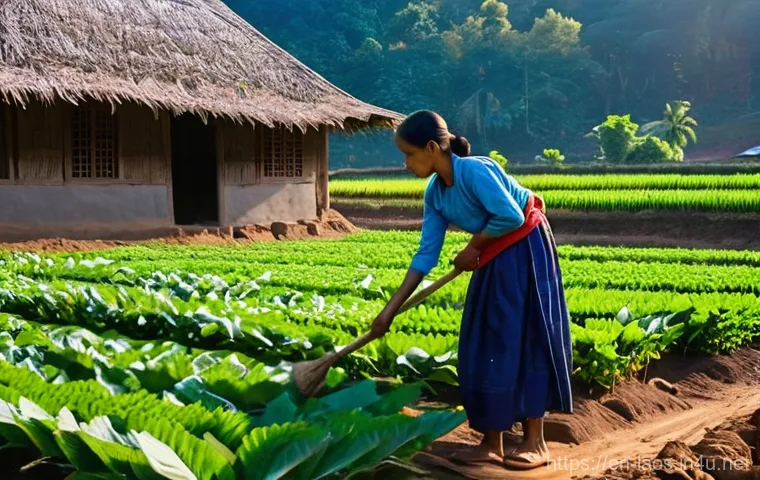
Forget the bustling markets and well-trodden tourist paths; the true heart of Laos often beats strongest in its remote villages. My experience living for a few days in a small Lanten village was incredibly grounding. There, life moves to a rhythm dictated by the sun, the seasons, and the needs of the community. From waking with the roosters to the communal meals shared on woven mats, every moment felt authentic and purposeful. There’s a profound sense of self-sufficiency that defines these communities, where families often grow their own food, build their own homes, and produce most of what they need. I learned to appreciate the simple pleasures: the taste of freshly harvested sticky rice, the cool embrace of the jungle breeze, and the genuine laughter of children playing. It’s a stark contrast to our fast-paced urban lives, offering a valuable lesson in sustainable living and the strength of community bonds. I found myself thinking, “This is what truly living means,” as I helped pound rice or gathered wild herbs with the local women.
A Day in the Life: From Sunrise to Sunset
A typical day in these villages starts early, often before dawn, as the air is still cool and misty. Women might head to the fields to tend crops, while men might prepare for hunting or fishing, or perhaps work on village construction. Children, after helping with chores, gather for informal learning or play imaginative games using natural materials. Mid-morning brings the communal preparation of meals, a time for sharing stories and laughter. Afternoons might be spent on crafts—weaving, carving, mending tools—or resting during the hottest hours. As evening approaches, families gather, sharing the day’s events, often accompanied by the gentle strumming of traditional instruments or the quiet murmuring of elders. There’s a beautiful, unhurried quality to their lives, a deep connection to the land and each other that is increasingly rare in our modern world. It’s a powerful reminder that true wealth isn’t measured in possessions, but in community and connection.
The Culinary Tapestry: Tastes of Diversity
And oh, the food! If you think you know Laotian cuisine, you haven’t truly experienced it until you’ve tasted the diverse flavors of its ethnic minorities. Each group has its own unique culinary traditions, often utilizing ingredients foraged from the surrounding forests or grown in their small gardens. I had the most incredible stew cooked in a bamboo tube by a Mien family—the smoky aroma and tender ingredients were absolutely divine. Many dishes feature fresh herbs, wild mushrooms, bamboo shoots, and protein from sustainable hunting or fishing. Sharing meals is a central, almost sacred, part of their social life, a time for bonding and reinforcing communal ties. The simplicity and freshness of the ingredients, combined with centuries-old cooking methods, create flavors that are both unique and deeply satisfying. It’s food that nourishes not just the body, but the soul, and I often dream of those unforgettable tastes.
Navigating Change: Challenges and Resilience
While the beauty of these cultures is undeniable, it’s equally important to acknowledge the very real challenges they face. Modernization, while bringing some benefits, also poses significant threats to their traditional ways of life. I spoke with a village elder who shared his concerns about younger generations moving to urban areas for work, leading to a potential loss of language and cultural knowledge. Issues like limited access to formal education, adequate healthcare, and essential infrastructure are pressing. Furthermore, large-scale development projects, such as dams or agricultural concessions, sometimes encroach upon their ancestral lands, disrupting traditional farming practices and displacing communities. It’s a delicate balance, and observing their resilience firsthand made me truly admire their determination to adapt while holding onto their core identity. They are not merely surviving; they are actively working to shape their future on their own terms, often with limited external support, which makes their efforts even more commendable.
Protecting Sacred Spaces and Livelihoods
The impact of external pressures on their land and resources is a particularly sensitive issue. For many ethnic groups, their ancestral lands are not just property; they are sacred spaces, intrinsically linked to their spiritual beliefs, history, and survival. The forests provide food, medicine, building materials, and a sense of identity. When these lands are threatened by deforestation or large-scale development, it’s not just an economic loss; it’s a cultural and spiritual assault. I witnessed communities coming together to advocate for their rights, demonstrating incredible strength and unity in the face of daunting challenges. Their efforts to protect their environment are often unsung, but they are crucial for both their immediate well-being and the global ecosystem. It’s a powerful lesson in environmental stewardship that we can all learn from, reminding us that healthy communities depend on healthy environments.
Bridging the Gap: Education and Healthcare Access
Access to quality education and healthcare remains a significant hurdle for many remote ethnic communities. While there are government initiatives, reaching every far-flung village is a logistical challenge. Many children might only attend primary school, if at all, and healthcare facilities can be days away, often requiring arduous journeys. I met a young woman who was passionately advocating for better educational opportunities for girls in her village, emphasizing that knowledge is power and a key to self-determination. Organizations and individuals are working to bridge these gaps, often through community-led initiatives that respect local cultures and integrate traditional knowledge with modern approaches. It’s inspiring to see the dedication of those striving to ensure that these communities can access essential services without compromising their unique identities.
Sustainable Journeys: Connecting Respectfully
So, how can we, as travelers, engage with these incredible communities in a way that is respectful, beneficial, and truly sustainable? It all boils down to conscious travel and genuine curiosity. My approach has always been to seek out responsible tourism operators who work directly with communities, ensuring that the economic benefits directly reach the people who need it most. When you visit a village, it’s not just about taking photos; it’s about listening, learning, and showing genuine respect for their customs. I always make an effort to learn a few basic phrases, ask permission before photographing people, and dress modestly as a sign of respect for local traditions. It creates a much richer experience for everyone involved, fostering real connections instead of just transactional interactions. Responsible tourism has the power to empower these communities, providing opportunities while helping them preserve their priceless cultural heritage for generations to come. It’s a win-win, truly.
Empowering Communities Through Ethical Tourism
The best kind of tourism supports local economies and reinforces cultural pride. This often means staying in community-run guesthouses or homestays, buying handicrafts directly from the artisans who made them, and eating at local eateries. I remember purchasing a beautiful hand-woven scarf directly from the woman who created it; the joy on her face, knowing her work was valued, was truly heartwarming. When your money stays within the community, it helps fund things like schooling, healthcare, and infrastructure improvements, without eroding their cultural fabric. It’s about empowering them to control their own development, rather than imposing external ideas. Choosing tour operators who prioritize ethical practices and cultural sensitivity is paramount. This ensures that your adventure contributes positively to the lives of these incredible people, making your journey even more meaningful.
Cultural Etiquette: Traveling with an Open Heart
Before visiting any ethnic village, a little homework goes a long way. Understanding basic cultural etiquette, such as not touching people’s heads (considered sacred) or pointing with your feet (considered rude), can make a huge difference in how you are perceived. Always ask for permission before taking photos, especially of children or elders. Be mindful of your attire; modest clothing is always appreciated. Most importantly, approach every interaction with an open heart and a willingness to learn. Instead of just observing, try to engage, ask questions (respectfully, of course), and participate if invited. I found that simply sharing a smile and a genuine “Sabaidee” (hello) could open doors to incredible conversations and unforgettable moments. These small gestures show that you value their culture and their humanity, fostering connections that transcend language barriers and create memories that truly last a lifetime.
Festivals and Celebrations: A Kaleidoscope of Joy
If you ever have the chance to experience a traditional festival in an ethnic minority village, seize it! These celebrations are an absolute explosion of color, sound, and pure joy, offering a vibrant window into the heart and soul of these communities. I was fortunate enough to witness a portion of the Hmong New Year celebrations, and it was an experience I’ll never forget. The air was electric with excitement, filled with the sounds of traditional music, the sight of people dressed in their most elaborate traditional clothing, and the laughter of families reuniting. It’s a time for feasting, traditional games, courtship rituals, and giving thanks. These festivals aren’t just for show; they are deeply significant social and spiritual events that reinforce community bonds, honor ancestors, and pass on cultural heritage to younger generations. The sheer energy and beauty of these gatherings are infectious, and you can’t help but be swept up in the celebratory spirit. It’s truly a privilege to be a part of such authentic cultural expressions.
Rhythms of Celebration: Music, Dance, and Story
Each ethnic group brings its unique artistic expressions to its festivals. The music ranges from the soulful melodies of the Khene (a bamboo mouth organ) to the rhythmic drumming that accompanies spirited dances. I remember being captivated by the graceful, yet powerful, movements of a group of Akha dancers, their elaborate silver headwear shimmering in the sunlight. Storytelling through performance is also a crucial element, with elders often sharing myths and legends through song and dramatic interpretation. These performances are not just entertainment; they are living repositories of history, values, and identity. The energy is palpable, and the shared joy is truly infectious. It’s a testament to the enduring spirit of these cultures, showcasing their creativity and their deep connection to their past and future.
Community Feasts: A Taste of Togetherness
No festival is complete without an abundance of food, and communal feasting is a cornerstone of these celebrations. Imagine long tables laden with traditional dishes, prepared with love and shared generously among villagers and guests alike. It’s a chaotic, wonderful experience, full of laughter, conversation, and the clinking of bowls. I’ve had some of my most memorable meals during these times, not just because the food was delicious, but because of the incredible sense of camaraderie. It’s a powerful symbol of unity and hospitality, where everyone is welcome, and sustenance is shared freely. These feasts are a true reflection of the communal spirit that defines these villages, reminding us that food is not just nourishment, but a powerful tool for connection and celebration.
Preserving Heritage: The Future of Laotian Minorities
Looking ahead, the future of Laos’s ethnic minority groups rests on a delicate balance between preserving their invaluable heritage and navigating the inevitable tides of global change. My journey through their lands left me with a profound sense of awe, but also a renewed commitment to advocating for their well-being. It’s not about freezing them in time; it’s about empowering them to choose their own paths, blending tradition with progress in a way that respects their identity. We, as global citizens and travelers, play a crucial role in this. By choosing responsible tourism, supporting fair trade initiatives, and simply engaging with an open mind and heart, we can contribute to a future where these diverse cultures continue to thrive. It’s about more than just preserving quaint customs; it’s about safeguarding unique human experiences, diverse knowledge systems, and ways of life that offer invaluable lessons for our increasingly interconnected world. Their strength and determination in the face of rapid change truly resonated with me, reinforcing the idea that cultural diversity is our greatest global asset.
| Ethnic Group | Key Characteristics / Traditions | Primary Region in Laos |
|---|---|---|
| Hmong | Vibrant textiles, intricate embroidery, New Year celebrations, rich oral traditions. | Northern Laos (Luang Prabang, Xieng Khouang) |
| Khmu | Skilled bamboo and rattan weavers, animistic beliefs, oldest indigenous group. | Throughout Northern Laos |
| Akha | Distinctive elaborate headwear, strong oral history, intricate social structures. | Northern Laos (Phongsaly, Luang Namtha) |
| Lanten | Indigo dyeing, paper making, traditional medicine, distinct written script. | Luang Namtha Province |
| Mien (Yao) | Elaborate silver jewelry, shamanistic rituals, traditional calligraphy. | Northern Laos |
Supporting Indigenous Voices and Self-Determination
At the heart of cultural preservation lies the principle of self-determination. It’s crucial that initiatives aimed at supporting ethnic minorities are driven by their own communities, respecting their decisions and priorities. External aid or development projects, however well-intentioned, can sometimes inadvertently disrupt cultural practices if they don’t truly understand local needs and values. I’ve learned that listening to indigenous voices, understanding their perspectives on development, and empowering their leadership are the most effective ways to foster sustainable change. This involves supporting local governance structures, educational programs that incorporate traditional knowledge, and economic ventures that align with their cultural values. It’s about creating opportunities for them to define their own future, ensuring that their unique heritage is not just protected, but celebrated and allowed to evolve on its own terms, enriching the global tapestry of human culture.
Cultural Exchange: A Two-Way Street of Learning
True cultural exchange is a beautiful, reciprocal process where both visitors and hosts learn from each other. My experiences in Laos were never just about me observing; they were about shared moments, mutual curiosity, and an exchange of ideas and perspectives. I shared stories about my home, and they shared theirs, creating bridges of understanding that transcended cultural differences. This kind of genuine interaction is incredibly powerful, breaking down stereotypes and fostering a deeper appreciation for our shared humanity. It’s about recognizing the wisdom and value in different ways of life, acknowledging that there isn’t just one right way to live or see the world. When we travel with an open mind and a willingness to engage, we become not just tourists, but ambassadors of understanding, contributing to a more tolerant and interconnected world. This reciprocal learning is what makes travel truly transformative, and it’s an experience I cherish deeply.
Wrapping Up My Journey
As I reflect on my profound journey through the vibrant landscapes and rich cultures of Laos’s ethnic minority groups, a few things really stick with me. It’s been an experience that’s not just about seeing new places, but truly understanding different ways of life, learning about the incredible resilience of these communities, and feeling a deep connection to traditions that stretch back centuries. This adventure has truly enriched my perspective, reminding me of the immense value in cultural diversity and the power of human connection across different backgrounds. I genuinely hope my insights inspire you to explore these incredible places with an open heart and a respectful spirit, because the lessons you’ll learn are truly priceless and will stay with you long after your bags are unpacked.
Handy Tips for Respectful Engagement
1. Engage with Purpose: Always seek out ethical tour operators and homestays that directly benefit local communities. This ensures your travel dollars support their livelihoods and initiatives, fostering sustainable development that respects their unique heritage and culture.
2. Mind Your Manners: Learn a few basic phrases in the local language, like “hello” (Sabaidee in Lao) and “thank you.” Small gestures of respect, such as dressing modestly, removing your shoes before entering homes, and not touching people’s heads, go a long way in building trust and positive interactions.
3. Ask Before You Click: Photography can be a wonderful way to capture memories, but always ask for explicit permission before taking photos, especially of people, children, or spiritual ceremonies. Respect their decision if they decline, and consider showing them the photo afterward – it often sparks a lovely moment of connection.
4. Support Local Artisans: When buying souvenirs, prioritize handmade crafts purchased directly from the artisans in the villages. This not only puts money directly into their hands but also helps preserve traditional crafting techniques and celebrates their incredible skill and artistry.
5. Travel Slowly and Listen: Resist the urge to rush. Spend time in one place, observe daily life, and truly listen to the stories and experiences shared by community members. The most meaningful insights often come from quiet moments of connection and a genuine willingness to learn from their wisdom.
Key Takeaways for a Meaningful Trip
My travels have consistently shown me that the true essence of exploring cultures lies in genuine interaction and a commitment to responsible engagement. When we journey into the heart of communities like those found in Laos, we’re not just tourists; we become temporary guests in their living stories. It’s a profound responsibility and an incredible privilege. The experience of witnessing ancient traditions firsthand, from intricate weaving to soulful oral histories, is a powerful reminder of how much wisdom exists beyond our everyday worlds. I’ve learned that true cultural preservation isn’t about freezing time, but about empowering communities to navigate change on their own terms, blending their cherished heritage with modern opportunities. This means supporting their self-determination, listening to their needs, and ensuring that our presence as travelers is a positive force. Every smile shared, every story heard, and every purchase made directly contributes to a future where these diverse cultures can not only survive but truly thrive, enriching our global tapestry with their unique perspectives and invaluable contributions. It truly is a two-way street of learning and respect, creating memories that resonate far beyond the journey itself and leaving you with a richer understanding of humanity.
Frequently Asked Questions (FAQ) 📖
Q: So, who are these incredible ethnic groups in Laos, and what amazing things should we know about their cultures?
A: Oh, this is truly where the magic happens! Laos is a tapestry woven with so many distinct ethnic groups, each contributing their own vibrant thread. When I was there, I was absolutely fascinated by communities like the Hmong, the Khmu, and the Akha, just to name a few.
The Hmong, for example, are known for their intricate needlework, often telling stories through their textiles, and their deep connection to animist beliefs.
Their New Year celebrations are an explosion of color and tradition, something I was lucky enough to witness – it’s an unforgettable experience. The Khmu, often recognized as the indigenous inhabitants of northern Laos, have an incredibly rich oral tradition, with fables and songs passed down through generations.
Their weaving and basketry are also breathtakingly beautiful. Then there are the Akha, identifiable by their distinctive, elaborate headdresses adorned with silver coins and feathers, who maintain a strong sense of community and ancient rituals.
What struck me most was how each group, despite living in the same country, has such a unique language, cuisine, and way of life. It’s a powerful reminder of how diverse humanity really is, and honestly, it makes you want to spend weeks just sitting and listening to their elders share their wisdom.
It’s not just about seeing their traditions; it’s about feeling the centuries of history in their presence.
Q: It sounds like these communities face some big changes. What are the main challenges they’re navigating right now, and how does it impact their unique way of life?
A: You’ve hit on such an important point. While their cultures are stunningly resilient, many of these communities are indeed at a crossroads. From my own observations and conversations with locals, one of the biggest challenges is definitely balancing traditional ways of life with the pull of modernization.
For example, remote villages that once relied solely on subsistence farming now have roads reaching them, bringing both opportunities like access to markets and education, but also pressures.
Deforestation and large-scale development projects, like hydropower dams, can sometimes displace communities or limit their access to ancestral lands, which impacts everything from their food security to their spiritual practices.
It’s heartbreaking to see how some younger generations, seeking better economic prospects, are moving to urban areas, which can slowly erode traditional languages and customs.
Access to proper healthcare and education can also be limited, particularly in very remote areas, making them vulnerable. It’s a delicate dance between preserving their heritage and adapting to a rapidly changing world, and I truly felt a sense of urgency to understand and highlight these struggles during my time there.
Q: As travelers who truly want to make a positive impact, what’s the best way for us to respectfully connect with these communities and support their traditions without disrupting them?
A: This is a question close to my heart, because responsible travel is something I deeply believe in. First and foremost, genuine respect is key. When you visit, always ask for permission before taking photos, especially of people, and dress modestly, particularly when visiting temples or homes.
I always try to learn a few basic phrases in the local language – even “hello” and “thank you” go a long way in showing you care! When it comes to supporting them, look for opportunities to buy handicrafts directly from the artisans in their villages.
You’re not only getting an authentic, beautiful souvenir, but you’re also ensuring that your money directly benefits the families who created it, rather than going through intermediaries.
Consider staying in community-based tourism lodges or homestays if available, as these programs are often designed to distribute income equitably within the village.
Instead of just giving money to children, which can sometimes create a begging culture, consider donating to reputable local organizations that focus on sustainable development, education, or healthcare initiatives within these communities.
Most importantly, engage with an open mind and a listening heart. Ask questions, listen to their stories, and let them share their world with you on their terms.
It’s a powerful exchange that enriches everyone involved and truly helps preserve their invaluable heritage.