If you’ve ever dreamed of a place where tranquility reigns and ancient traditions breathe life into every corner, then the Buddhist temples of Laos are an absolute must-see.
I still remember the first time I stepped into the hushed courtyards of a temple in Luang Prabang; it was an experience that truly transformed my understanding of peace and cultural immersion.
These aren’t just historical sites; they are vibrant, beating hearts of the community, where the golden light of dawn often reveals saffron-robed monks on their alms rounds, and the scent of incense fills the air.
Every temple tells a story, beautifully carved and lovingly preserved, inviting you to connect with a profound sense of spirituality. Curious to discover the hidden gems and spiritual richness of these incredible places?
Let’s explore this together.
Gilded Grandeur: Unveiling Wat Xieng Thong’s Timeless Beauty
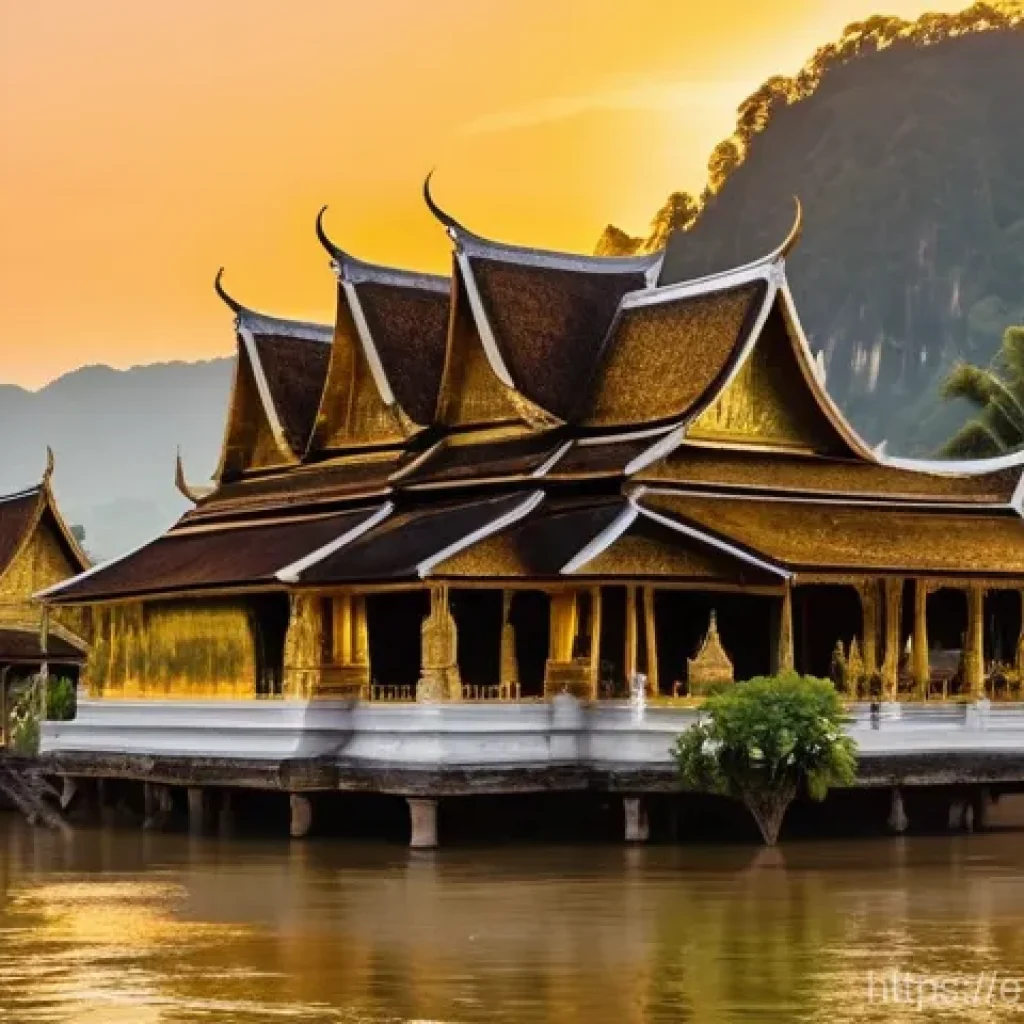
Stepping into Wat Xieng Thong for the very first time was like walking into a living postcard. I still vividly remember the way the morning light caught the gold leaf, making the intricate carvings shimmer and dance. This “monastery of the golden city” isn’t just a temple; it’s a profound symbol of Laotian spiritual heritage and architectural mastery, nestled right there by the Mekong River in Luang Prabang. Built in the mid-16th century by King Setthathirath, it served as a royal temple and a significant site for coronations and numerous annual festivals until 1975. You can truly feel the centuries of history whispering through its ancient wooden halls and elegant courtyards. What’s truly remarkable is that it survived the destruction of 1887 when many other temples were sacked, reputedly because the leader of the invading Black Flag Haw army had once studied there as a monk. That, to me, just speaks volumes about its enduring significance and the reverence it commands, even from those who might otherwise be adversaries. It’s a place that genuinely captivates your soul and makes you want to linger, absorbing every detail.
The Iconic Luang Prabang Architectural Style
What immediately strikes you about Wat Xieng Thong, and many temples in Luang Prabang, is its distinctive architectural style. The roofs, in particular, are just breathtaking. They sweep low, with multiple tiers that almost touch the ground, and are adorned with these fantastic serpent-like Naga images. I remember standing there, just gazing up at the elegant curves, thinking about how they reflect the graceful movements of traditional Lao dance. The rich interior and exterior decorations, from the gold stenciling on dark lacquer to the vibrant murals depicting stories of the Buddha’s lives, are simply mesmerizing. These aren’t just pretty pictures; they’re moral lessons and historical narratives beautifully preserved for generations. The main ordination hall, known as the ‘sim’, is a prime example, with its low-sweeping double-tiered roof creating an exceptionally fine representation of the classic Luang Prabang style. You’ll also find these cool decorative metal devices, called Dok So Fa, at the center of the roofs, which symbolize the universe. It’s all so thoughtfully designed, a true testament to the skill and devotion of the artists and builders.
Stories in Stone and Mosaic
Beyond the grandeur of the main hall, Wat Xieng Thong is a treasure trove of smaller shrines and pavillions, each with its own story. I was particularly drawn to the ‘Tree of Life’ mosaic on the rear façade of the main sim. It’s a striking golden mosaic against a rich red background, depicting the moment of Buddha’s enlightenment. It’s truly a sight to behold and makes you ponder the profound teachings it represents. You’ll also find the magnificent funerary carriage house on the eastern edge of the complex, built to preserve the funeral carriage of King Sisavang Vong. The sculpted and gilded teakwood panels here tell the Lao version of the Ramayana story, which is just incredible to see. The sheer detail and craftsmanship in these panels, often featuring Naga snakes, are astounding. It’s easy to spend hours wandering through this complex, discovering new details and soaking in the spiritual ambiance that permeates every corner. Each element, from the bell tower to the smaller stupas, contributes to an overall sense of peace and deep cultural immersion.
A Spiritual Awakening: Experiencing the Morning Alms Ceremony
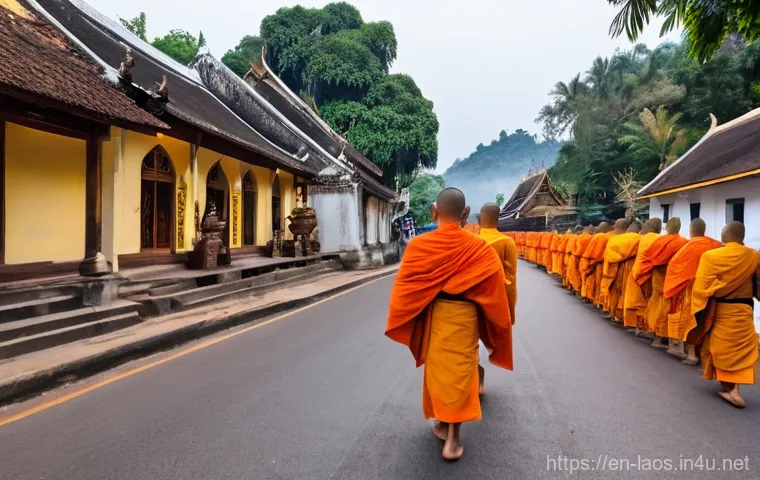
If there’s one experience that truly encapsulates the spiritual heart of Laos, it has to be the morning alms giving ceremony, known locally as “Tak Bat” or “Sai Bat.” I remember waking up before dawn in Luang Prabang, the air still cool and quiet, and joining the locals as they prepared their offerings. It’s a centuries-old tradition, dating back to the 14th century, where saffron-robed monks and novices silently walk the streets, collecting food from devout Buddhists. There’s a profound sense of humility and connection in this ritual; it’s not charity, but an act of respect from the lay community to the monastic sangha, allowing the monks to sustain themselves and continue their spiritual practices. I’ve seen this ceremony in other Southeast Asian countries, but in Luang Prabang, with its serene backdrop and the sheer number of monks, it feels particularly poignant and deeply rooted. It’s an incredibly moving sight, a long column of monks walking barefoot and silently, receiving their daily meal, primarily sticky rice, from people kneeling before them.
Participating Respectfully: Dos and Don’ts
Observing the alms ceremony is a privilege, and it’s super important to do so with the utmost respect. I’ve learned a few things over my visits that I always keep in mind. First, arrive early, around 5:30 to 6:00 AM, to find a spot without disrupting the procession. Dressing modestly is a must – shoulders and knees should be covered. Women, especially, should be mindful not to touch the monks or hand anything directly to them; it’s considered very disrespectful. If you plan to make an offering, it’s best to buy sticky rice from a local market earlier that morning, or even ask your hotel to prepare it, rather than from street vendors along the route, as the quality for the monks might be better. And for goodness sake, if you’re taking photos, turn off your flash and maintain a respectful distance. This isn’t a photo opportunity for your social media feed; it’s a sacred daily ritual. I always try to observe from across the street, allowing the participants their space and solemnity.
Beyond the Offerings: The Deeper Meaning
The alms giving ceremony is so much more than just a food exchange. It’s a daily reminder of interconnectedness and generosity within the community. For the locals, it’s a way to earn merit and maintain a symbiotic relationship with the monks who provide spiritual guidance. The food collected isn’t just for the monks; a portion is often shared with the poor and even temple pets. It embodies a deep sense of shared responsibility and faith. I’ve heard stories from locals who’ve participated for generations, and their devotion is truly inspiring. It’s a moment of quiet reflection, a pause before the day truly begins, where the rhythm of life in Laos aligns with ancient spiritual practices. It’s a truly humbling experience that leaves a lasting impression, a tangible connection to a way of life that remains deeply spiritual in a rapidly changing world.
Architectural Storytelling: The Unique Details of Lao Temples
Every temple in Laos, or “wat” as they are called, is a masterpiece of architectural storytelling, and I’ve always been fascinated by how each one expresses its own character while adhering to a broader Lao style. From the low, sweeping roofs of Luang Prabang to the grander structures found in Vientiane, you can really see the regional differences. It’s not just about the size; it’s the intricate details that truly capture your imagination. When I first started exploring, I noticed the prevalence of multi-tiered roofs and the graceful Naga serpent decorations, often found guarding entrances or adorning rooflines. These aren’t just for show; the Naga are mythical river spirits, protectors of Buddhism, and their presence adds a powerful symbolic layer to the temples. The craftsmanship in the wood carving, gilding, and the vibrant glass mosaics used to depict stories from the Jataka tales (Buddha’s previous lives) are just incredible. You can spend hours tracing the narratives, each panel a vibrant testament to faith and artistry. It truly feels like walking through a living art gallery, where every surface holds a piece of ancient wisdom.
Materials and Symbolism in Design
The choice of materials in Lao temple architecture also tells a story. While some older temples, particularly in Vientiane, might be constructed of brick and stucco, the classic Luang Prabang style often features beautiful wooden structures with intricate carvings. This use of wood, combined with gold leaf and vibrant lacquers, creates a warmth and richness that feels distinctly Lao. I remember seeing how the “Dok So Fa,” those upward-sweeping hooks at the roof’s apex, are believed to symbolize the universe, while the “Dok Huang Pheung” — carved wood panels that often resemble a beehive pattern or the arched curve of a Naga — hang like screens at entrances. These details aren’t mere ornamentation; they are deeply ingrained with Buddhist cosmology and local beliefs. Even the layout of a typical monastery, with its ‘sim’ (ordination hall), ‘chedi’ (stupa housing relics), ‘sala’ (community hall), and ‘kuti’ (monks’ dwellings), reflects a functional and spiritual design. It’s a holistic approach to architecture that merges practicality with profound symbolism, creating spaces that are both awe-inspiring and deeply sacred.
Finding Stillness: Meditation and Spiritual Retreats
For me, visiting these temples isn’t just about admiring the architecture; it’s about connecting with the serene atmosphere and perhaps even finding a moment of inner peace. I’ve discovered that many people travel to Laos specifically seeking tranquility, and the temples offer a perfect sanctuary for that. While it might seem challenging for Westerners to dive into true meditation with monks, there are definitely opportunities to experience it. I’ve heard of “Forest Temples” near Vientiane, like Wat Pa Na Khoun Noi, that offer longer retreats where you can stay, wear white clothes, and follow the monks’ daily schedule, learning various meditation techniques. Even in Luang Prabang, some temples offer communal chanting and meditation rituals, usually around sunset, providing a unique insight into monastic life. These experiences, even for a short while, can be incredibly grounding and offer a chance to truly disconnect from the hustle and bustle of everyday life and reconnect with yourself. It’s a beautiful way to immerse deeper into the local culture and embrace the spiritual side of Laos.
Engaging with Monks and Novices
During my travels, I’ve found that many younger monks and novices are quite open to practicing their English with visitors. It’s a wonderful opportunity for a cultural exchange, a chance to learn directly about their lives and their spiritual path. I’ve had some truly heartwarming conversations, gaining insights that you just can’t get from a guidebook. When meeting monks, remember to greet them with a traditional “nop” – pressing your palms together as if in prayer and bowing slightly. Always ensure your head is lower than theirs as a sign of respect. These small gestures go a long way in showing your appreciation for their way of life and the sacredness of their calling. The temples aren’t just historical sites; they are living, breathing communities where monks live, study, and meditate, so respecting their daily routines and contemplative atmosphere is key.
Navigating Sacred Spaces: Essential Temple Etiquette
Visiting temples in Laos is an incredibly enriching experience, but it’s also important to remember that these are active places of worship, not just tourist attractions. I’ve found that a little bit of preparation and mindfulness goes a long way in showing respect for the local culture and traditions. The Lao people are generally very relaxed, but they are also quite conservative, especially when it comes to their sacred spaces. My biggest takeaway from my first few visits was how crucial proper dress and behavior are. These are places of quiet contemplation and spiritual significance, and understanding the etiquette ensures you have a meaningful visit while also honoring the local way of life. It’s about being a respectful guest in someone else’s spiritual home.
Dressing and Behaving Respectfully
When you’re heading to a temple, think modest. I always make sure my shoulders and knees are covered. For women, a skirt that covers the knees (or long pants) is ideal, and men should wear long pants or at least shorts that cover their knees. I often carry a light scarf to quickly cover my shoulders if needed. Remember to take off your shoes before entering the main prayer hall (the ‘sim’) or any sacred building – it’s a universal sign of respect in Buddhist cultures. Once inside, sit with your feet tucked behind you, never pointing them towards the Buddha image, as feet are considered the lowest and least clean part of the body. Speak softly, avoid loud conversations, and don’t disturb anyone who is praying or meditating. And of course, no climbing on Buddha statues or stupas. These simple actions show immense respect and truly enhance your experience, allowing you to connect more deeply with the serene atmosphere.
| Temple Etiquette Guideline | Description |
|---|---|
| Dress Modestly | Cover shoulders and knees (for both men and women). |
| Remove Shoes | Take off shoes before entering temple buildings. |
| Respect Monks | Women should not touch monks. Maintain respectful distance. |
| Foot Placement | Never point feet towards Buddha images or people. Sit with feet tucked back. |
| Photography | Ask permission, avoid flash, and maintain distance during ceremonies. |
Beyond the Temples: Embracing Local Culture and Community
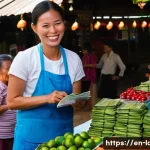
While the temples are undeniably the spiritual heart of Laos, my visits have always extended beyond their gilded walls. I’ve discovered that true immersion means connecting with the local communities that thrive around these sacred sites. The ‘wat’ often serves as the hub of village life, a place not only for worship but also for social gatherings, community events, and even education for young novices. It’s a beautiful, symbiotic relationship where villagers provide for the monks, and the monks offer spiritual support and guidance. I love wandering through the local markets after a temple visit, seeing the vibrant daily life unfold, and trying local delicacies. Engaging with local artisans, watching them create their crafts, and supporting their work directly is another way I try to connect. It feels like a genuine way to give back to the communities that so lovingly preserve these incredible cultural treasures.
Sustainable Tourism: Protecting Laos’ Heritage
Being a responsible traveler in Laos means more than just following temple etiquette; it’s about contributing to sustainable tourism that helps preserve this enchanting land for future generations. I’ve made it a point to seek out eco-friendly accommodations and tour operators who are committed to minimizing their environmental impact and empowering local people. Buying local crafts, choosing accommodations that support community initiatives, and simply being mindful of your waste are small actions that collectively make a big difference. Laos is a country of breathtaking natural beauty, from lush mountains to the mighty Mekong, and it’s our responsibility to help protect it. I believe that by making conscious choices, we can ensure that the spiritual richness and cultural heritage of Laos, including its magnificent temples, continue to inspire travelers for many years to come. It’s about leaving only footprints and taking only memories.
Seasonal Celebrations: Temples Alive with Festivities
One of the most vibrant ways to experience the spiritual life of Laos is by timing your visit with one of its many Buddhist festivals. I’ve been fortunate enough to witness some of these, and let me tell you, the temples truly come alive with color, sound, and a palpable sense of communal joy. These aren’t just solemn occasions; they’re deeply ingrained in the cultural fabric, offering a glimpse into the joyful devotion of the Lao people. It’s a completely different energy than the quiet contemplation of a regular day, but equally profound. You get to see families gather, special offerings made, and traditional ceremonies unfold that have been passed down through generations. These festivities are a testament to how Buddhism is not just a religion, but a living, breathing part of daily life and celebration in Laos, connecting people through shared traditions and a deep sense of community.
Key Festivals and Rituals
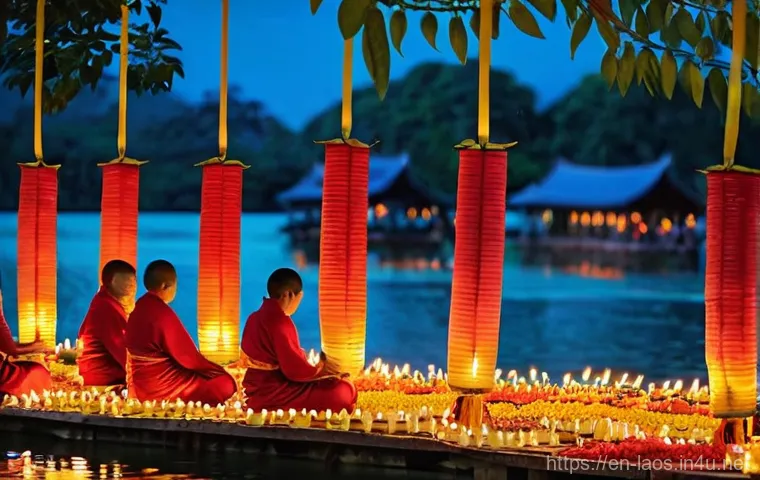
Among the most significant celebrations is the Lao New Year, or “Songkran Pimay” (also known as “Boun Pi Mai”), typically in April. During this time, temples are central to cleansing Buddha images with perfumed water, a ritual symbolizing purification and new beginnings. I remember the joyful atmosphere, with people respectfully sprinkling water, though younger generations often take it to a more playful level! Another important event is “Boun Oak Watsa,” which marks the end of Buddhist Lent, usually in October. This is a beautiful festival where people light candles in and around temples, paying respect to Buddha. Small ornamental floats adorned with flowers and candles are released onto the rivers, symbolizing letting go of troubles. Then there’s “Boun Visakhaphusa,” which celebrates Buddha’s birth, enlightenment, and passing away – a time for deep reverence and paying homage to ancestors. Experiencing these festivals offers such a rich, authentic insight into Lao culture and spirituality, showing how the temples are truly the heart of these communal celebrations.
Gilded Grandeur: Unveiling Wat Xieng Thong’s Timeless Beauty
Stepping into Wat Xieng Thong for the very first time was like walking into a living postcard. I still vividly remember the way the morning light caught the gold leaf, making the intricate carvings shimmer and dance. This “monastery of the golden city” isn’t just a temple; it’s a profound symbol of Laotian spiritual heritage and architectural mastery, nestled right there by the Mekong River in Luang Prabang. Built in the mid-16th century by King Setthathirath, it served as a royal temple and a significant site for coronations and numerous annual festivals until 1975. You can truly feel the centuries of history whispering through its ancient wooden halls and elegant courtyards. What’s truly remarkable is that it survived the destruction of 1887 when many other temples were sacked, reputedly because the leader of the invading Black Flag Haw army had once studied there as a monk. That, to me, just speaks volumes about its enduring significance and the reverence it commands, even from those who might otherwise be adversaries. It’s a place that genuinely captivates your soul and makes you want to linger, absorbing every detail.
The Iconic Luang Prabang Architectural Style
What immediately strikes you about Wat Xieng Thong, and many temples in Luang Prabang, is its distinctive architectural style. The roofs, in particular, are just breathtaking. They sweep low, with multiple tiers that almost touch the ground, and are adorned with these fantastic serpent-like Naga images. I remember standing there, just gazing up at the elegant curves, thinking about how they reflect the graceful movements of traditional Lao dance. The rich interior and exterior decorations, from the gold stenciling on dark lacquer to the vibrant murals depicting stories of the Buddha’s lives, are simply mesmerizing. These aren’t just pretty pictures; they’re moral lessons and historical narratives beautifully preserved for generations. The main ordination hall, known as the ‘sim’, is a prime example, with its low-sweeping double-tiered roof creating an exceptionally fine representation of the classic Luang Prabang style. You’ll also find these cool decorative metal devices, called Dok So Fa, at the center of the roofs, which symbolize the universe. It’s all so thoughtfully designed, a true testament to the skill and devotion of the artists and builders.
Stories in Stone and Mosaic
Beyond the grandeur of the main hall, Wat Xieng Thong is a treasure trove of smaller shrines and pavillions, each with its own story. I was particularly drawn to the ‘Tree of Life’ mosaic on the rear façade of the main sim. It’s a striking golden mosaic against a rich red background, depicting the moment of Buddha’s enlightenment. It’s truly a sight to behold and makes you ponder the profound teachings it represents. You’ll also find the magnificent funerary carriage house on the eastern edge of the complex, built to preserve the funeral carriage of King Sisavang Vong. The sculpted and gilded teakwood panels here tell the Lao version of the Ramayana story, which is just incredible to see. The sheer detail and craftsmanship in these panels, often featuring Naga snakes, are astounding. It’s easy to spend hours wandering through this complex, discovering new details and soaking in the spiritual ambiance that permeates every corner. Each element, from the bell tower to the smaller stupas, contributes to an overall sense of peace and deep cultural immersion.
A Spiritual Awakening: Experiencing the Morning Alms Ceremony
If there’s one experience that truly encapsulates the spiritual heart of Laos, it has to be the morning alms giving ceremony, known locally as “Tak Bat” or “Sai Bat.” I remember waking up before dawn in Luang Prabang, the air still cool and quiet, and joining the locals as they prepared their offerings. It’s a centuries-old tradition, dating back to the 14th century, where saffron-robed monks and novices silently walk the streets, collecting food from devout Buddhists. There’s a profound sense of humility and connection in this ritual; it’s not charity, but an act of respect from the lay community to the monastic sangha, allowing the monks to sustain themselves and continue their spiritual practices. I’ve seen this ceremony in other Southeast Asian countries, but in Luang Prabang, with its serene backdrop and the sheer number of monks, it feels particularly poignant and deeply rooted. It’s an incredibly moving sight, a long column of monks walking barefoot and silently, receiving their daily meal, primarily sticky rice, from people kneeling before them.
Participating Respectfully: Dos and Don’ts
Observing the alms ceremony is a privilege, and it’s super important to do so with the utmost respect. I’ve learned a few things over my visits that I always keep in mind. First, arrive early, around 5:30 to 6:00 AM, to find a spot without disrupting the procession. Dressing modestly is a must – shoulders and knees should be covered. Women, especially, should be mindful not to touch the monks or hand anything directly to them; it’s considered very disrespectful. If you plan to make an offering, it’s best to buy sticky rice from a local market earlier that morning, or even ask your hotel to prepare it, rather than from street vendors along the route, as the quality for the monks might be better. And for goodness sake, if you’re taking photos, turn off your flash and maintain a respectful distance. This isn’t a photo opportunity for your social media feed; it’s a sacred daily ritual. I always try to observe from across the street, allowing the participants their space and solemnity.
Beyond the Offerings: The Deeper Meaning
The alms giving ceremony is so much more than just a food exchange. It’s a daily reminder of interconnectedness and generosity within the community. For the locals, it’s a way to earn merit and maintain a symbiotic relationship with the monks who provide spiritual guidance. The food collected isn’t just for the monks; a portion is often shared with the poor and even temple pets. It embodies a deep sense of shared responsibility and faith. I’ve heard stories from locals who’ve participated for generations, and their devotion is truly inspiring. It’s a moment of quiet reflection, a pause before the day truly begins, where the rhythm of life in Laos aligns with ancient spiritual practices. It’s a truly humbling experience that leaves a lasting impression, a tangible connection to a way of life that remains deeply spiritual in a rapidly changing world.
Architectural Storytelling: The Unique Details of Lao Temples
Every temple in Laos, or “wat” as they are called, is a masterpiece of architectural storytelling, and I’ve always been fascinated by how each one expresses its own character while adhering to a broader Lao style. From the low, sweeping roofs of Luang Prabang to the grander structures found in Vientiane, you can really see the regional differences. It’s not just about the size; it’s the intricate details that truly capture your imagination. When I first started exploring, I noticed the prevalence of multi-tiered roofs and the graceful Naga serpent decorations, often found guarding entrances or adorning rooflines. These aren’t just for show; the Naga are mythical river spirits, protectors of Buddhism, and their presence adds a powerful symbolic layer to the temples. The craftsmanship in the wood carving, gilding, and the vibrant glass mosaics used to depict stories from the Jataka tales (Buddha’s previous lives) are just incredible. You can spend hours tracing the narratives, each panel a vibrant testament to faith and artistry. It truly feels like walking through a living art gallery, where every surface holds a piece of ancient wisdom.
Materials and Symbolism in Design
The choice of materials in Lao temple architecture also tells a story. While some older temples, particularly in Vientiane, might be constructed of brick and stucco, the classic Luang Prabang style often features beautiful wooden structures with intricate carvings. This use of wood, combined with gold leaf and vibrant lacquers, creates a warmth and richness that feels distinctly Lao. I remember seeing how the “Dok So Fa,” those upward-sweeping hooks at the roof’s apex, are believed to symbolize the universe, while the “Dok Huang Pheung” — carved wood panels that often resemble a beehive pattern or the arched curve of a Naga — hang like screens at entrances. These details aren’t mere ornamentation; they are deeply ingrained with Buddhist cosmology and local beliefs. Even the layout of a typical monastery, with its ‘sim’ (ordination hall), ‘chedi’ (stupa housing relics), ‘sala’ (community hall), and ‘kuti’ (monks’ dwellings), reflects a functional and spiritual design. It’s a holistic approach to architecture that merges practicality with profound symbolism, creating spaces that both awe-inspiring and deeply sacred.
Finding Stillness: Meditation and Spiritual Retreats
For me, visiting these temples isn’t just about admiring the architecture; it’s about connecting with the serene atmosphere and perhaps even finding a moment of inner peace. I’ve discovered that many people travel to Laos specifically seeking tranquility, and the temples offer a perfect sanctuary for that. While it might seem challenging for Westerners to dive into true meditation with monks, there are definitely opportunities to experience it. I’ve heard of “Forest Temples” near Vientiane, like Wat Pa Na Khoun Noi, that offer longer retreats where you can stay, wear white clothes, and follow the monks’ daily schedule, learning various meditation techniques. Even in Luang Prabang, some temples offer communal chanting and meditation rituals, usually around sunset, providing a unique insight into monastic life. These experiences, even for a short while, can be incredibly grounding and offer a chance to truly disconnect from the hustle and bustle of everyday life and reconnect with yourself. It’s a beautiful way to immerse deeper into the local culture and embrace the spiritual side of Laos.
Engaging with Monks and Novices
During my travels, I’ve found that many younger monks and novices are quite open to practicing their English with visitors. It’s a wonderful opportunity for a cultural exchange, a chance to learn directly about their lives and their spiritual path. I’ve had some truly heartwarming conversations, gaining insights that you just can’t get from a guidebook. When meeting monks, remember to greet them with a traditional “nop” – pressing your palms together as if in prayer and bowing slightly. Always ensure your head is lower than theirs as a sign of respect. These small gestures go a long way in showing your appreciation for their way of life and the sacredness of their calling. The temples aren’t just historical sites; they are living, breathing communities where monks live, study, and meditate, so respecting their daily routines and contemplative atmosphere is key.
Navigating Sacred Spaces: Essential Temple Etiquette
Visiting temples in Laos is an incredibly enriching experience, but it’s also important to remember that these are active places of worship, not just tourist attractions. I’ve found that a little bit of preparation and mindfulness goes a long way in showing respect for the local culture and traditions. The Lao people are generally very relaxed, but they are also quite conservative, especially when it comes to their sacred spaces. My biggest takeaway from my first few visits was how crucial proper dress and behavior are. These are places of quiet contemplation and spiritual significance, and understanding the etiquette ensures you have a meaningful visit while also honoring the local way of life. It’s about being a respectful guest in someone else’s spiritual home.
Dressing and Behaving Respectfully
When you’re heading to a temple, think modest. I always make sure my shoulders and knees are covered. For women, a skirt that covers the knees (or long pants) is ideal, and men should wear long pants or at least shorts that cover their knees. I often carry a light scarf to quickly cover my shoulders if needed. Remember to take off your shoes before entering the main prayer hall (the ‘sim’) or any sacred building – it’s a universal sign of respect in Buddhist cultures. Once inside, sit with your feet tucked behind you, never pointing them towards the Buddha image, as feet are considered the lowest and least clean part of the body. Speak softly, avoid loud conversations, and don’t disturb anyone who is praying or meditating. And of course, no climbing on Buddha statues or stupas. These simple actions show immense respect and truly enhance your experience, allowing you to connect more deeply with the serene atmosphere.
| Temple Etiquette Guideline | Description |
|---|---|
| Dress Modestly | Cover shoulders and knees (for both men and women). |
| Remove Shoes | Take off shoes before entering temple buildings. |
| Respect Monks | Women should not touch monks. Maintain respectful distance. | Foot Placement | Never point feet towards Buddha images or people. Sit with feet tucked back. |
| Photography | Ask permission, avoid flash, and maintain distance during ceremonies. |
Beyond the Temples: Embracing Local Culture and Community
While the temples are undeniably the spiritual heart of Laos, my visits have always extended beyond their gilded walls. I’ve discovered that true immersion means connecting with the local communities that thrive around these sacred sites. The ‘wat’ often serves as the hub of village life, a place not only for worship but also for social gatherings, community events, and even education for young novices. It’s a beautiful, symbiotic relationship where villagers provide for the monks, and the monks offer spiritual support and guidance. I love wandering through the local markets after a temple visit, seeing the vibrant daily life unfold, and trying local delicacies. Engaging with local artisans, watching them create their crafts, and supporting their work directly is another way I try to connect. It feels like a genuine way to give back to the communities that so lovingly preserve these incredible cultural treasures.
Sustainable Tourism: Protecting Laos’ Heritage
Being a responsible traveler in Laos means more than just following temple etiquette; it’s about contributing to sustainable tourism that helps preserve this enchanting land for future generations. I’ve made it a point to seek out eco-friendly accommodations and tour operators who are committed to minimizing their environmental impact and empowering local people. Buying local crafts, choosing accommodations that support community initiatives, and simply being mindful of your waste are small actions that collectively make a big difference. Laos is a country of breathtaking natural beauty, from lush mountains to the mighty Mekong, and it’s our responsibility to help protect it. I believe that by making conscious choices, we can ensure that the spiritual richness and cultural heritage of Laos, including its magnificent temples, continue to inspire travelers for many years to come. It’s about leaving only footprints and taking only memories.
Seasonal Celebrations: Temples Alive with Festivities
One of the most vibrant ways to experience the spiritual life of Laos is by timing your visit with one of its many Buddhist festivals. I’ve been fortunate enough to witness some of these, and let me tell you, the temples truly come alive with color, sound, and a palpable sense of communal joy. These aren’t just solemn occasions; they’re deeply ingrained in the cultural fabric, offering a glimpse into the joyful devotion of the Lao people. It’s a completely different energy than the quiet contemplation of a regular day, but equally profound. You get to see families gather, special offerings made, and traditional ceremonies unfold that have been passed down through generations. These festivities are a testament to how Buddhism is not just a religion, but a living, breathing part of daily life and celebration in Laos, connecting people through shared traditions and a deep sense of community.
Key Festivals and Rituals
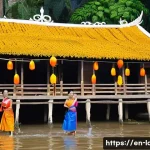
Among the most significant celebrations is the Lao New Year, or “Songkran Pimay” (also known as “Boun Pi Mai”), typically in April. During this time, temples are central to cleansing Buddha images with perfumed water, a ritual symbolizing purification and new beginnings. I remember the joyful atmosphere, with people respectfully sprinkling water, though younger generations often take it to a more playful level! Another important event is “Boun Oak Watsa,” which marks the end of Buddhist Lent, usually in October. This is a beautiful festival where people light candles in and around temples, paying respect to Buddha. Small ornamental floats adorned with flowers and candles are released onto the rivers, symbolizing letting go of troubles. Then there’s “Boun Visakhaphusa,” which celebrates Buddha’s birth, enlightenment, and passing away – a time for deep reverence and paying homage to ancestors. Experiencing these festivals offers such a rich, authentic insight into Lao culture and spirituality, showing how the temples are truly the heart of these communal celebrations.
글을 마치며
Reflecting on my journeys through Laos, it’s clear that the country’s spiritual heart beats strongest within its magnificent temples and the sacred rituals that unfold there daily. Each visit deepens my appreciation for the profound history, intricate artistry, and unwavering devotion of the Lao people. Whether you’re drawn by the gilded splendor of Wat Xieng Thong or the tranquil reverence of the morning alms ceremony, Laos offers an immersive experience that touches the soul. I hope my insights inspire you to explore this captivating land with an open heart and a mindful spirit, discovering your own moments of wonder and connection.
알아두면 쓸모 있는 정보
1. Currency and Budgeting: The local currency is the Lao Kip (LAK), but US Dollars are often accepted for larger purchases. Laos is generally an affordable destination, especially outside of luxury resorts, so your travel budget can stretch quite far!
2. Best Time to Visit: The dry season, from October to April, offers the most pleasant weather with cooler temperatures and less humidity, perfect for exploring temples and outdoor activities. The rainy season can still be beautiful, but expect more heat and humidity.
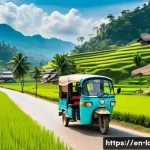
3. Getting Around: In towns like Luang Prabang, walking is delightful, and tuk-tuks are readily available for longer distances. For inter-city travel, buses are common, or you can opt for domestic flights for convenience. Ride-hailing apps are gaining traction in bigger cities.
4. Connectivity: Picking up a local SIM card upon arrival is easy and affordable, offering reliable data coverage for maps, communication, and sharing your amazing photos. Major providers include Unitel, Lao Telecom, and ETL.
5. Basic Lao Phrases: A little effort goes a long way! Learn “Sabaidee” (hello) and “Khop Jai” (thank you). Locals truly appreciate it when visitors try to speak a few words in their language, fostering warmer interactions.
중요 사항 정리
To truly savor your Lao adventure and show respect for its rich culture, always dress modestly, especially when visiting temples – covering your shoulders and knees is a must. Remember to remove your shoes before entering sacred buildings and keep your voice low to maintain the serene atmosphere. Engaging with locals and monks respectfully, even with a simple ‘nop’, enhances your experience immensely. Embrace the rhythm of daily life, participate in ceremonies with mindfulness, and support local communities to ensure the enduring beauty of Laos for generations to come. Your thoughtful actions make all the difference in preserving this incredibly special destination.
Frequently Asked Questions (FAQ) 📖
Q: What should I wear and how should I behave when visiting a Buddhist temple in Laos?
A: Oh, this is such a vital question, and honestly, it’s one I wrestled with a bit on my first trip! The key thing to remember is respect. These aren’t just tourist attractions; they are sacred spaces, and showing deference to the local customs really enhances your experience.
I always recommend dressing modestly. Think shoulders and knees covered – both for men and women. Light, breathable fabrics are perfect, especially in the Lao heat.
When you enter a temple, you’ll see people removing their shoes before stepping inside; definitely follow suit! It’s also good practice to take off your hat.
Inside, try to keep your voice down, and avoid pointing your feet directly at Buddha images or monks – it’s considered disrespectful. When I first encountered the serene quiet inside Wat Xieng Thong, I immediately understood the importance of these small gestures; they truly help you connect with the tranquil atmosphere.
And hey, if you ever feel unsure, just observe what the locals are doing, they’re usually incredibly welcoming and understanding.
Q: I’ve heard about the alms giving ceremony in Luang Prabang. Can I participate, and what’s the best way to do so respectfully?
A: Ah, the alms giving ceremony! This is truly one of the most moving experiences you can have in Laos, especially in Luang Prabang. I remember waking up before dawn, the air still cool and quiet, and watching the lines of saffron-robed monks walk silently through the streets.
It’s incredibly beautiful. Yes, you absolutely can participate, but doing so respectfully is paramount. From my own experience, the most authentic way is to buy your offerings (usually sticky rice) from a local vendor away from the main ceremony area, perhaps the day before.
Avoid purchasing from vendors right on the street where the alms giving happens, as they can sometimes be intrusive to the monks. When the monks approach, kneel or sit humbly, keeping your head lower than theirs, and gently place a small amount of sticky rice into each monk’s bowl as they pass.
Keep a respectful distance, turn off your flash if you’re taking photos (or better yet, observe from a distance without snapping away constantly), and remember this is a spiritual act, not a photo opportunity.
It’s a profound moment of connection, and I still feel the warmth of that early morning generosity when I think about it.
Q: Besides Luang Prabang, are there other Buddhist temples in Laos that offer unique experiences for travelers?
A: While Luang Prabang undoubtedly holds some of the most iconic and frequently visited temples, Laos is brimming with spiritual sites that offer distinct charms, and I encourage you to venture a little further if you can!
For example, in Vientiane, the capital city, you’ll find Pha That Luang, which is a magnificent gold-covered stupa and a national symbol of Laos. It’s truly breathtaking, especially when the sun catches its golden spires.
And don’t miss Wat Sisaket with its thousands of tiny Buddha images, or Haw Phra Kaew, which used to house the Emerald Buddha. I remember feeling a sense of awe at the sheer volume of history contained within those walls.
If you’re up for a unique adventure, the Pak Ou Caves, a short boat trip from Luang Prabang, are absolutely fascinating. These limestone caves are crammed with thousands of Buddha statues, left there by pilgrims over centuries.
It’s a completely different kind of temple experience, feeling both ancient and wild. Each region offers its own spiritual flavor, so keep your eyes open for those smaller, local wats – they often hold the most unexpected moments of peace and insight.