Okay, here’s the blog intro about Wat Sisaket, Laos, as requested:Vientiane, the charming capital of Laos, holds a treasure trove of history and culture, and among its most dazzling gems is Wat Sisaket.
Unlike many temples in Vientiane, Wat Sisaket miraculously survived the Siamese invasion of 1828, making it the oldest wat in the city. What makes it truly special, in my opinion, after wandering through countless temples, is the sheer number of Buddha images – thousands upon thousands line the walls, creating a breathtaking spectacle.
I remember feeling utterly humbled standing amidst such a powerful display of faith. I’ve heard that preservation efforts are increasingly important, as Southeast Asian temples face environmental challenges.
Also, integrating virtual tours and augmented reality experiences might be the future of experiencing such cultural sites, especially with the rise of digital tourism.
Ready to delve deeper into the captivating story of Wat Sisaket? Let’s accurately discover it!
## The Astonishing Assembly of Buddha ImagesWalking into Wat Sisaket is like stepping into a serene, golden-hued forest of Buddha statues. I remember being utterly stunned by the sheer number of images – over 6,800 according to most estimates!
They range in size from tiny miniatures to life-sized figures, each with its own unique expression and posture. What struck me most was the diversity of styles; some are gilded and ornate, others are simple and rustic, reflecting the varied origins and craftsmanship from across Laos and beyond.
It’s not just a collection; it’s a visual representation of centuries of Buddhist devotion. The scale of this sacred collection is truly breathtaking.
I’ve learned that during the Siamese-Lao War, many temples were destroyed, and their Buddha images were lost forever. The fact that Wat Sisaket managed to preserve such a vast number of these artifacts is nothing short of a miracle.
Wandering through the cloisters, you can feel the weight of history and the enduring power of faith.
A Glimpse into Lao Artistry
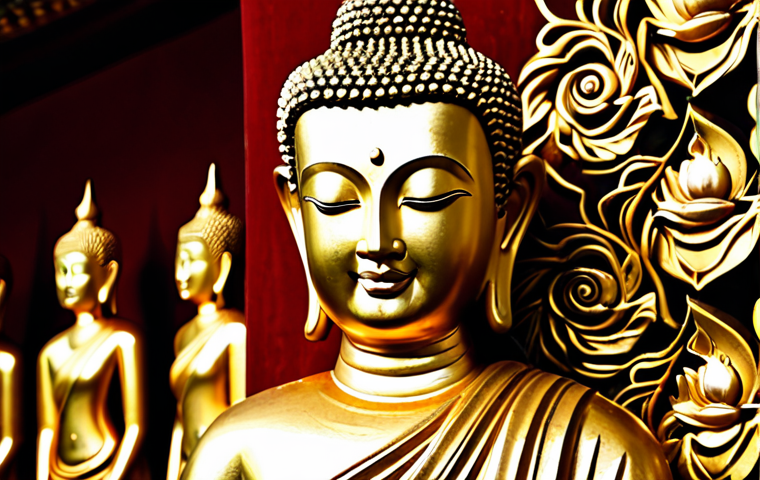
The craftsmanship displayed in each Buddha image is remarkable. You can see intricate details carved into the wood or cast in bronze, reflecting the artistic traditions of different regions and eras.
It’s like a living museum of Lao art. When I was there, I spent ages just observing the subtle variations in the hand gestures (mudras) and the facial expressions of the Buddhas.
Each one seemed to tell a slightly different story.
The Significance of the Materials
The materials used in crafting these images also hold significance. Gilded Buddhas represent prosperity and enlightenment, while wooden images often signify a connection to nature and simplicity.
Bronze statues are symbols of strength and permanence. It’s fascinating to think about the intentionality behind each choice, and how it contributes to the overall spiritual atmosphere of the temple.
The use of local materials also speaks volumes about the resourcefulness and ingenuity of Lao artisans throughout history.
Preserving a Legacy
Preserving these ancient artifacts is a delicate task. The humid climate of Laos can take a toll on the statues, leading to deterioration and decay. Experts are constantly working to conserve and restore the images, using traditional techniques and modern methods to ensure that they are protected for future generations.
When you visit, you can see evidence of this ongoing work, a testament to the commitment to preserving Laos’ cultural heritage.
Echoes of History in the Temple’s Architecture
Beyond the Buddha images, Wat Sisaket’s architecture is a fascinating blend of Lao and Siamese styles. The temple’s sim (ordination hall), with its five-tiered roof, is a prime example of Lao architectural design, while the surrounding cloisters and courtyards reflect Siamese influences.
As I walked around, I couldn’t help but notice the subtle details – the intricate carvings on the doors and windows, the elegant proportions of the buildings, and the overall sense of harmony and balance.
The layout of the temple, with its central courtyard and surrounding structures, creates a serene and contemplative atmosphere.
The Sim: A Sanctuary of Serenity
The sim is the heart of Wat Sisaket, a place of prayer, meditation, and spiritual reflection. Inside, you’ll find a large Buddha image and elaborately decorated walls depicting scenes from the life of the Buddha.
It’s a truly peaceful space, where you can escape the hustle and bustle of the city and connect with something deeper. I recall the hushed silence within the sim, broken only by the occasional chanting of monks.
The Cloisters: Passageways of Contemplation
The cloisters that surround the courtyard are like passageways to another world. Lined with rows upon rows of Buddha images, they offer a unique opportunity for contemplation and reflection.
As you walk through the cloisters, you can feel a sense of connection to the countless individuals who have sought solace and inspiration within these walls over the centuries.
The dappled sunlight filtering through the colonnades creates an ethereal atmosphere that is both calming and inspiring.
Architectural Symbolism
The five-tiered roof of the sim is not merely a design element; it symbolizes the five levels of enlightenment in Buddhism. Similarly, the ornate carvings and decorations found throughout the temple are filled with symbolic meaning, representing various aspects of Buddhist cosmology and philosophy.
Taking the time to learn about these symbols can deepen your appreciation for the temple’s architectural beauty and its spiritual significance.
The Serene Gardens and Courtyards
Wat Sisaket is not just a place of worship; it’s also a tranquil oasis in the heart of Vientiane. The temple’s gardens and courtyards are filled with lush greenery, fragrant flowers, and shady trees, providing a welcome respite from the city’s heat and noise.
I found myself drawn to the peaceful atmosphere, often spending hours simply sitting and soaking it all in. The sound of birds chirping, the gentle breeze rustling through the leaves – it’s a sensory experience that nourishes the soul.
The landscaping around the temple is carefully designed to create a sense of harmony and balance, with pathways leading to hidden corners and secluded meditation spots.
Finding Peace in the Urban Landscape
In the midst of Vientiane’s bustling streets, Wat Sisaket offers a sanctuary of peace and quiet. The gardens and courtyards provide a place to escape the pressures of daily life and reconnect with nature.
I remember feeling a sense of calm wash over me as I stepped inside the temple grounds, leaving the noise and chaos of the city behind. Even a short visit can be incredibly restorative, allowing you to recharge your batteries and find a sense of inner peace.
A Place for Reflection
The serene gardens and courtyards are ideal for quiet reflection and contemplation. You can find a secluded spot to sit and meditate, read a book, or simply observe the beauty of nature.
The temple’s peaceful atmosphere encourages introspection and self-discovery, making it a valuable resource for those seeking spiritual growth. I’ve always found that spending time in nature can help me gain perspective and clarity, and Wat Sisaket’s gardens are the perfect place to do just that.
The Symbolism of Nature
The plants and trees in the temple’s gardens are not chosen at random; they often hold symbolic meaning in Buddhist tradition. For example, the Bodhi tree, under which the Buddha attained enlightenment, is a common sight in temple gardens.
Similarly, lotus flowers, which symbolize purity and enlightenment, are often planted in ponds and fountains. Learning about the symbolism of these plants can enhance your appreciation for the temple’s spiritual significance.
Cultural Insights: Beyond the Visuals
Visiting Wat Sisaket offers more than just visual delights; it provides a window into Lao culture and traditions. It’s a living testament to the country’s rich history and the enduring power of Buddhism.
Through interactions with monks, observing local customs, and learning about the temple’s role in the community, you can gain a deeper understanding of Lao society.
I remember being struck by the warmth and hospitality of the Lao people, and their deep respect for their cultural heritage.
Monastic Life and Community Engagement
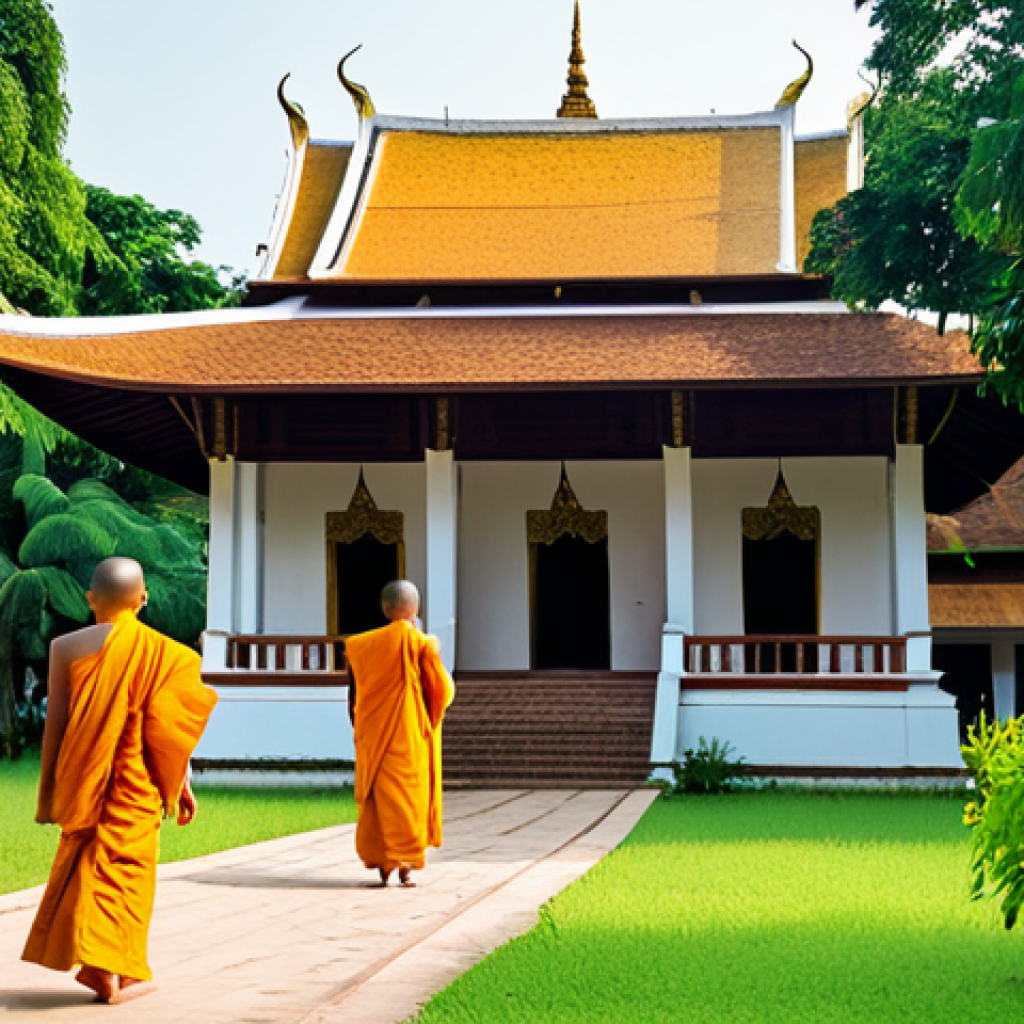
Wat Sisaket is not just a historical site; it’s an active monastery where monks live, study, and practice their faith. Observing their daily routines, attending ceremonies, and engaging in conversations can provide valuable insights into monastic life and the role of Buddhism in Lao society.
The monks also play an important role in the community, providing spiritual guidance, education, and social support.
Festivals and Ceremonies
Throughout the year, Wat Sisaket hosts various festivals and ceremonies that are open to the public. These events offer a unique opportunity to witness Lao cultural traditions firsthand.
From elaborate processions to traditional music and dance performances, these celebrations are a feast for the senses. Attending one of these events can provide a deeper appreciation for the vibrancy and richness of Lao culture.
Respectful Interaction
When visiting Wat Sisaket, it’s important to be respectful of local customs and traditions. Dress modestly, remove your shoes before entering temples, and avoid making loud noises or disruptive behavior.
By showing respect for the temple and its inhabitants, you can help preserve its spiritual atmosphere and ensure that it remains a welcoming place for all visitors.
A Photographer’s Paradise: Capturing the Essence of Wat Sisaket
For photographers, Wat Sisaket is a dream come true. The temple’s stunning architecture, intricate details, and vibrant colors provide endless opportunities for capturing breathtaking images.
Whether you’re a professional photographer or an amateur enthusiast, you’ll find plenty of inspiration within these walls. I spent hours wandering around with my camera, trying to capture the essence of this special place.
The light filtering through the trees, the reflections in the water, the expressions on the Buddha images – it’s a photographer’s playground.
The Golden Hour
The best time to photograph Wat Sisaket is during the golden hour – the hour after sunrise and the hour before sunset. During these times, the light is soft and warm, creating a magical atmosphere.
The golden light illuminates the temple’s gilded surfaces, making them glow with an ethereal radiance. If you’re lucky, you might even capture a stunning sunset over the temple’s rooftops.
Details, Details, Details
Don’t forget to focus on the details. The intricate carvings, the colorful murals, the textures of the wood and stone – these details can tell a story of their own.
Zoom in on the faces of the Buddha images, capture the patterns on the temple’s walls, and explore the hidden corners of the gardens. These small details can add depth and richness to your photographs.
Respectful Photography
While photography is encouraged at Wat Sisaket, it’s important to be respectful. Avoid using flash photography inside the temples, as it can damage the delicate surfaces.
Be mindful of monks and other visitors, and avoid disrupting their peace and quiet. By practicing respectful photography, you can help preserve the temple’s beauty for future generations.
Planning Your Visit: Practical Tips and Advice
Planning a trip to Wat Sisaket? Here’s some practical advice to make your visit as smooth and enjoyable as possible. From transportation options to opening hours and entry fees, these tips will help you prepare for your adventure.
I remember feeling a little overwhelmed when I first arrived in Vientiane, but with a little planning, I was able to navigate the city and make the most of my visit to Wat Sisaket.
Getting There
Wat Sisaket is located in the heart of Vientiane, making it easily accessible by tuk-tuk, taxi, or bicycle. If you’re staying in the city center, you can even walk to the temple.
Tuk-tuks are a fun and affordable way to get around, but be sure to negotiate the price beforehand. Taxis are also readily available, but they tend to be more expensive.
Renting a bicycle is a great option if you want to explore the city at your own pace.
When to Visit
The best time to visit Wat Sisaket is during the dry season (November to April), when the weather is cooler and less humid. The rainy season (May to October) can be hot and humid, with frequent downpours.
However, even during the rainy season, there are still plenty of opportunities to visit the temple. Just be sure to bring an umbrella or raincoat.
Entry Fees and Opening Hours
Wat Sisaket is open to visitors daily from 8:00 AM to 12:00 PM and from 1:00 PM to 5:00 PM. The entry fee is 30,000 Lao Kip (approximately $1.50 USD).
Be sure to bring cash, as credit cards are not accepted.
Wat Sisaket: A Timeless Treasure
| Feature | Description |
|——————|—————————————————————————————————————————————————————————————————————————————————————————|
| Buddha Images | Over 6,800 Buddha images, ranging in size and style, representing centuries of Buddhist devotion and Lao artistry.
|
| Architecture | A blend of Lao and Siamese styles, featuring a five-tiered sim (ordination hall), cloisters, and courtyards, creating a serene and contemplative atmosphere.
|
| Gardens | Lush greenery, fragrant flowers, and shady trees offer a peaceful respite from the city, providing a place for reflection and connection with nature.
|
| Cultural Insights | Offers a window into Lao culture and traditions, with opportunities to interact with monks, observe ceremonies, and learn about the temple’s role in the community.
|
| Photography | A photographer’s paradise, with stunning architecture, intricate details, and vibrant colors providing endless opportunities for capturing breathtaking images.
|
| Practical Tips | Located in the heart of Vientiane, easily accessible by tuk-tuk, taxi, or bicycle; open daily from 8:00 AM to 12:00 PM and from 1:00 PM to 5:00 PM; entry fee is 30,000 Lao Kip.
|
| Best time to visit | During the dry season (November to April), when the weather is cooler and less humid. |
| Dress code | Dress modestly, remove your shoes before entering temples.
|
Wat Sisaket is more than just a temple; it’s a timeless treasure that embodies the rich history, culture, and spirituality of Laos. Whether you’re a history buff, an art enthusiast, a spiritual seeker, or simply a curious traveler, you’ll find something to captivate your heart and soul within these walls.
I left Wat Sisaket with a sense of awe and gratitude, feeling deeply connected to the beauty and tranquility of this special place. It’s an experience that I’ll cherish forever.
Wat Sisaket stands as a testament to the enduring beauty and spiritual richness of Lao culture. My visit was more than just sightseeing; it was a deeply moving experience that left me with a profound sense of peace and connection.
If you ever find yourself in Vientiane, make sure to set aside some time to explore this timeless treasure. You won’t be disappointed. It’s a place where history, art, and spirituality converge, creating an unforgettable journey for the soul.
I wholeheartedly recommend a visit to Wat Sisaket.
In Conclusion
Wat Sisaket isn’t just a stop on a travel itinerary; it’s an immersive experience. I walked away with a newfound appreciation for Lao history and culture. The sheer volume of Buddha images, each with its unique story, is humbling. Beyond the visual splendor, it’s the palpable sense of serenity that lingers long after you leave. Whether you’re a seasoned traveler or a first-time visitor to Southeast Asia, Wat Sisaket promises a memorable encounter with the heart and soul of Laos.
Good to Know Information
1. Currency Exchange: It’s best to exchange your currency for Lao Kip (LAK) upon arrival at the airport or at a reputable bank. Credit cards are not widely accepted, especially in smaller establishments.
2. Appropriate Attire: When visiting temples, it’s respectful to dress modestly. This means covering your shoulders and knees. Lightweight, breathable fabrics are ideal for the Lao climate.
3. Transportation Options: Tuk-tuks are a convenient and affordable way to get around Vientiane. Always negotiate the fare beforehand. Alternatively, consider renting a bicycle for a more leisurely exploration.
4. Bargaining Etiquette: Bargaining is common in local markets and with tuk-tuk drivers. Be polite and respectful, and aim for a fair price that benefits both parties.
5. Local Customs: Lao people are generally very friendly and welcoming. Learning a few basic Lao phrases, such as “Sabaidee” (hello) and “Khop chai” (thank you), can go a long way in showing respect for their culture.
Key Takeaways
A Sanctuary of Serenity: Experience the calming atmosphere and escape the hustle of Vientiane.
Artistic Heritage: Witness the intricate craftsmanship displayed in thousands of Buddha images.
Cultural Immersion: Gain insights into Lao history, traditions, and Buddhist practices.
Photographic Opportunities: Capture stunning images of the temple’s architecture and details.
Respectful Exploration: Dress modestly and observe local customs to preserve the temple’s spiritual ambiance.
Frequently Asked Questions (FAQ) 📖
Q: Is there an entrance fee to visit Wat Sisaket, and what are the typical opening hours?
A: Yep, there’s a small entrance fee, usually around 10,000 Lao Kip (that’s less than a buck and a half, USD). Totally worth it to see all those Buddhas!
They’re generally open from 8 AM to 5 PM daily, but it’s always a good idea to double-check before you go, especially during local holidays – things can change.
Q: Besides the Buddha statues, what other interesting features can I see at Wat Sisaket?
A: Oh, there’s more than just Buddhas, although they are the stars of the show. Look for the beautifully carved wooden doors and the intricate details on the sim (ordination hall).
The surrounding cloister is pretty special too, and you’ll also find a small library with ancient palm-leaf manuscripts. I spent a good hour just wandering around, soaking it all in.
Q: What’s the best way to get to Wat Sisaket from the city center in Vientiane, and are there any dress code requirements?
A: Getting there is easy – it’s pretty centrally located, so a tuk-tuk ride from most places in the city center shouldn’t cost you more than 20,000-30,000 Lao Kip.
Walking is also an option if you’re up for it. As for dress code, it’s a temple, so be respectful. Shoulders and knees should be covered.
If you’re not wearing appropriate clothing, you can usually rent a sarong or shawl at the entrance.
📚 References
Wikipedia Encyclopedia