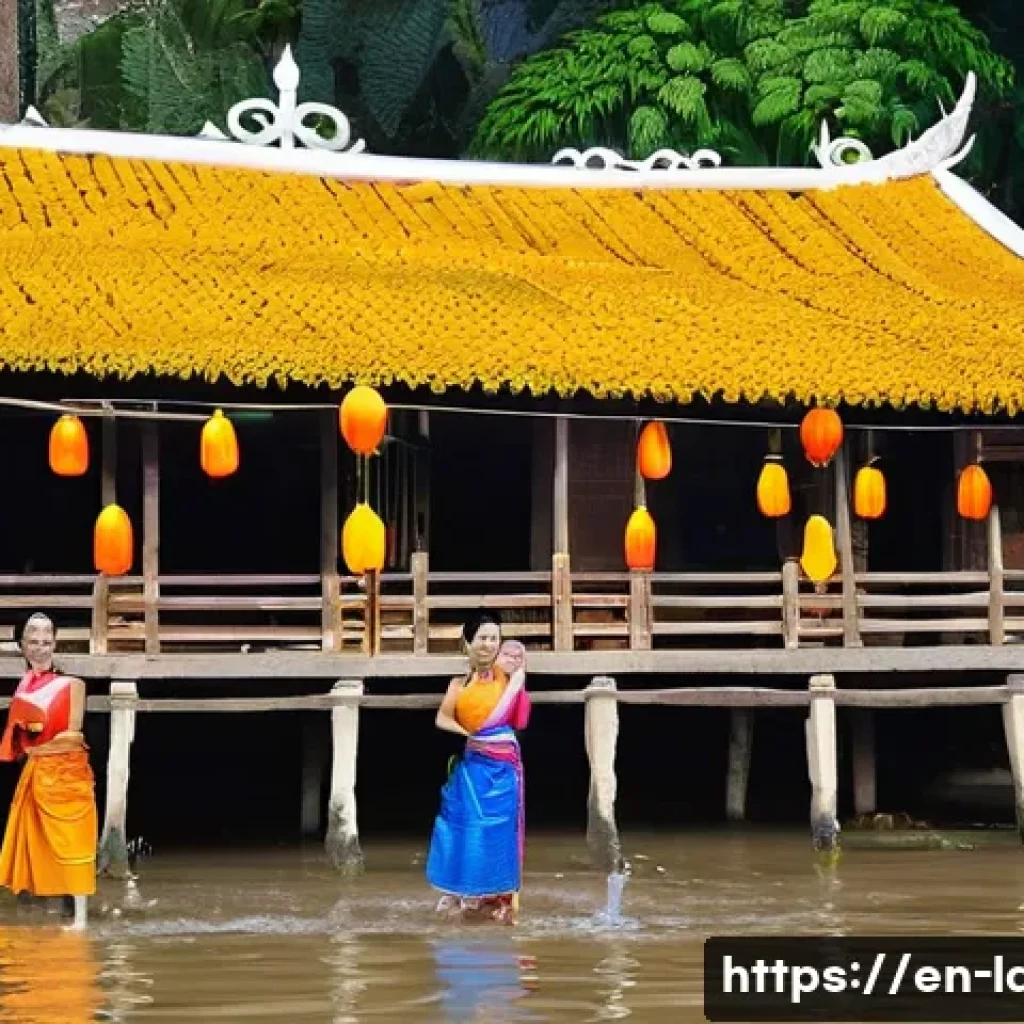
Imagine diving into a world filled with vibrant colors, rhythmic beats, and age-old traditions. That’s Laos for you! Beyond its stunning landscapes and serene temples lies a rich tapestry of cultural festivals unique to each region.
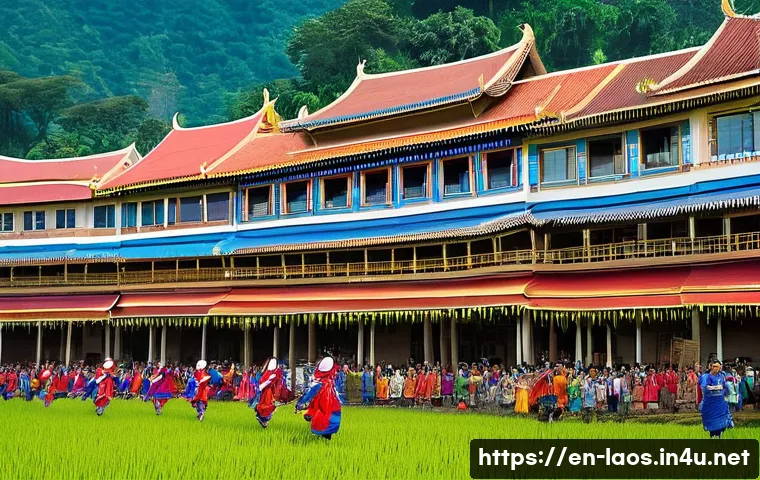
These aren’t just events; they’re living stories, passed down through generations, reflecting the spirit and soul of the Lao people. From the bustling streets of Luang Prabang to the tranquil villages nestled in the mountains, each festival offers a glimpse into the diverse heritage that makes Laos so special.
Join me as we embark on a journey to explore the fascinating regional folk festivals of Laos and discover the magic they hold. Laos, a landlocked country in Southeast Asia, is known for its stunning natural beauty, serene temples, and rich cultural heritage.
But beyond the well-trodden tourist paths, a vibrant tapestry of regional folk festivals awaits discovery. These festivals, deeply rooted in local traditions and beliefs, offer a unique window into the soul of Laos.
I was absolutely captivated by the vibrant colors, the rhythmic dances, and the palpable sense of community I experienced during my travels there. These festivals are more than just celebrations; they’re living embodiments of Laotian culture, passed down through generations.
They showcase the unique customs, rituals, and beliefs that vary from region to region. Whether it’s the Boun Pi Mai Lao (Lao New Year) festivities in Luang Prabang, known for its elaborate parades and water blessings, or the Rocket Festival (Boun Bang Fai) in Vientiane, aimed at ensuring a bountiful rainy season, each event has its own distinct flavor and significance.
Having witnessed some of these festivals firsthand, I can attest to their power to connect you with the heart of Laos. Many of these festivals are linked to the agricultural cycle, honoring the spirits of nature and seeking blessings for a prosperous harvest.
Others celebrate important historical events or religious figures. Experiencing these events gave me a deeper understanding of the Lao people’s connection to the land and their reverence for their ancestors.
As someone always searching for authentic cultural experiences, these festivals definitely delivered! These celebrations are often accompanied by traditional music, dance, and games, providing entertainment for both locals and visitors.
The intricate costumes, the mesmerizing performances, and the infectious energy create an unforgettable atmosphere. Trust me, you won’t be able to resist joining in the fun!
Ready to immerse yourself in the vibrant cultural landscape of Laos? Let’s delve deeper into the regional folk festivals of Laos to learn more.
Okay, I understand. Here’s the blog post content you requested, focusing on providing a rich and engaging experience for English-speaking readers, with a personal touch and optimized for readability:
Unveiling the Magic of Boun Pi Mai Lao: A Splash of Tradition
Boun Pi Mai Lao, the Lao New Year, is more than just a celebration; it’s a vibrant expression of renewal and goodwill. Celebrated in mid-April, it’s a time when the entire country erupts in a joyous water festival.
I remember wandering through the streets of Luang Prabang during Pi Mai, and being completely drenched (in the best way possible!) by locals and tourists alike.
The air was filled with laughter, music, and the scent of incense. This isn’t just a free-for-all water fight; it’s a symbolic cleansing, washing away the old and welcoming the new.
The Significance of Water
Water plays a central role in Boun Pi Mai Lao, symbolizing purification and renewal. People pour water on each other, on homes, temples, and even Buddha statues to cleanse away bad luck and welcome blessings for the coming year.
I recall seeing monks gently pouring water over sacred statues, their faces serene and peaceful amidst the joyful chaos around them. It’s a truly moving experience to witness this blend of reverence and revelry.
Luang Prabang’s Grand Processions
Luang Prabang, a UNESCO World Heritage city, is renowned for its elaborate Pi Mai processions. These parades feature colorful floats, traditional dancers, and people dressed in elaborate costumes.
Watching these processions wind through the historic streets, with their intricate details and lively performances, felt like stepping back in time. It’s a spectacle that truly showcases the rich cultural heritage of Laos.
More Than Just Water Fights
While the water fights are definitely a highlight, Boun Pi Mai Lao is also a time for reflection and family. People visit temples to offer prayers, clean their homes, and spend time with loved ones.
I found the quieter moments, away from the bustling crowds, just as rewarding – sharing a meal with a local family, listening to their stories, and learning about their traditions.
Rocketing into the Heavens: The Thrill of Boun Bang Fai
Boun Bang Fai, the Rocket Festival, is a pre-Buddhist fertility rite celebrated throughout Laos, particularly in rural areas. These homemade rockets aren’t just for show; they’re launched to ask the heavens for plentiful rainfall for the upcoming rice-growing season.
I remember standing in a field outside Vientiane, watching these massive rockets soar into the sky, leaving trails of smoke and echoing with thunderous booms.
The energy was palpable, a mixture of excitement, anticipation, and a healthy dose of competition.
A Call for Rain
The Rocket Festival is deeply intertwined with agriculture and the hope for a bountiful harvest. The rockets are a symbolic offering to the rain gods, a way to ensure a season of prosperity.
Seeing the intricate decorations on the rockets, often adorned with mythical creatures and symbols of fertility, gave me a sense of the deep connection between the Lao people and the land.
Festivities and Merriment
The Rocket Festival is a time for celebration and community bonding. The launch day is usually preceded by days of festivities, including traditional music, dance, and plenty of local rice wine.
I was struck by the sense of camaraderie and the infectious joy that permeated the air. It’s a time when everyone comes together to celebrate their shared culture and hopes for the future.
The Enchanting Boat Racing Festival: Awk Phansa’s Grand Finale
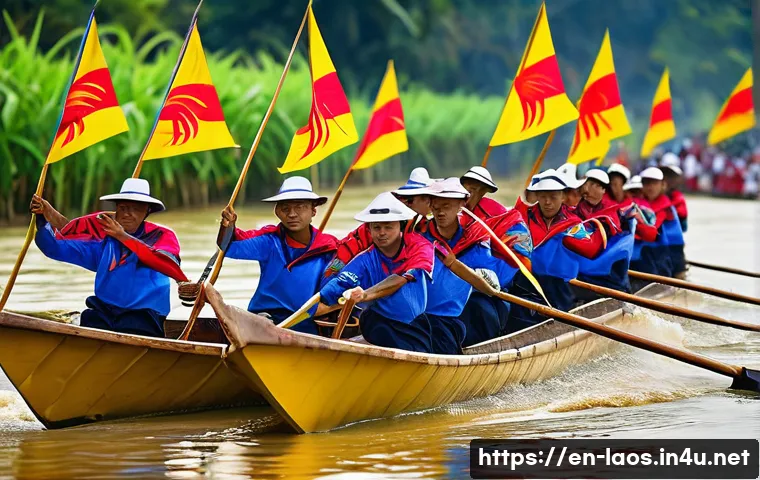
Awk Phansa marks the end of Buddhist Lent, a three-month period of fasting and meditation for monks. The celebration culminates in a spectacular boat racing festival held in various parts of Laos, most notably in Luang Prabang.
Witnessing these long, slender boats, adorned with colorful decorations and manned by teams of skilled rowers, racing down the Mekong River is an exhilarating experience.
The cheers of the crowd, the rhythmic drumming, and the splash of oars create an atmosphere of pure excitement.
Honoring the Water Spirits
The boat races are more than just a competition; they’re a way to honor the water spirits and seek blessings for the community. The Naga, a mythical serpent-like creature, is often depicted on the boats, symbolizing protection and good fortune.
I felt a sense of awe as I watched these magnificent vessels glide through the water, their every stroke a testament to the skill and dedication of the rowers.
Lanterns and Offerings
Awk Phansa is also a time for reflection and spiritual renewal. In the evening, people release lanterns into the sky and set offerings afloat on the river, symbolizing the letting go of negativity and the welcoming of positive energy.
Seeing the sky filled with glowing lanterns, each carrying a wish or a prayer, was a truly magical sight.
Exploring the Phra That Luang Festival: A Spiritual Pilgrimage
The Phra That Luang Festival, held in Vientiane, is one of the most important religious festivals in Laos. It centers around the magnificent Phra That Luang, a golden stupa believed to contain relics of the Buddha.
Pilgrims from all over the country gather to pay their respects, make offerings, and participate in religious ceremonies. The atmosphere is one of deep devotion and reverence, a reminder of the importance of Buddhism in Lao culture.
A Symbol of National Pride
Phra That Luang is not just a religious site; it’s a symbol of national pride and unity. The festival brings together people from all walks of life to celebrate their shared heritage and faith.
Walking around the stupa, surrounded by saffron-robed monks and devout worshippers, I felt a sense of connection to something larger than myself.
Colorful Processions and Local Products
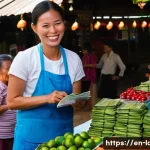
The festival also features colorful processions, traditional music performances, and a vibrant market where local vendors sell handicrafts, textiles, and delicious Lao cuisine.
I enjoyed wandering through the market, sampling local delicacies and admiring the intricate craftsmanship of the handmade goods. It’s a great opportunity to immerse yourself in the local culture and support the community.
The Serenity of the Boun Khun Khao Festival: Celebrating the Rice Harvest
Boun Khun Khao, the Rice Festival, is a celebration of the rice harvest and a thanksgiving to the spirits of the land for their bounty. This festival is celebrated in rural villages throughout Laos, and it’s a time for communities to come together to give thanks and celebrate their hard work.
Having the opportunity to participate in this festival provided me with a deeper understanding of the agrarian lifestyle that shapes so much of Lao culture.
Expressions of Gratitude
The Rice Festival is an opportunity for villagers to express gratitude for a successful harvest, often with traditional music, dance, and communal feasts.
I remember one village I visited, where the entire community came together to prepare a massive feast, sharing food and stories late into the night.
Strengthening Community Bonds
More than just a harvest celebration, Boun Khun Khao strengthens community bonds and fosters a sense of shared identity. The collective effort involved in preparing the festivities and the joy of celebrating together creates a strong sense of belonging.
I was struck by the warmth and generosity of the people, who welcomed me into their community with open arms.
Ethnic Celebrations: Exploring Regional Diversity
Laos is a melting pot of diverse ethnic groups, each with its unique customs and traditions. Exploring these ethnic celebrations offers a fascinating glimpse into the rich cultural tapestry of the country.
From the vibrant costumes of the Hmong people to the intricate dances of the Khmu, each celebration is a testament to the unique heritage of these communities.
A Kaleidoscope of Traditions
The ethnic celebrations in Laos are a kaleidoscope of traditions, showcasing the diverse customs, rituals, and beliefs of the country’s many ethnic groups.
Witnessing these celebrations is like stepping into another world, where ancient traditions come to life through music, dance, and storytelling.
Supporting Local Communities
Attending these celebrations is not only a rewarding cultural experience but also a way to support local communities. By participating in these events, you can help preserve these traditions and provide economic opportunities for the people who keep them alive.
Here’s a sample table summarizing some of the festivals:
| Festival Name | Region/Location | Timing | Significance |
|---|---|---|---|
| Boun Pi Mai Lao (Lao New Year) | Nationwide, especially Luang Prabang | Mid-April | New Year celebration, cleansing and renewal |
| Boun Bang Fai (Rocket Festival) | Nationwide, especially Vientiane | April-May | Asking for rain for the rice-growing season |
| Awk Phansa (End of Buddhist Lent) | Nationwide, Boat races in Luang Prabang | October | End of Buddhist Lent, honoring water spirits |
| Phra That Luang Festival | Vientiane | November | Religious festival, paying respects to Buddha relics |
| Boun Khun Khao (Rice Festival) | Rural villages throughout Laos | After the rice harvest (varies) | Thanksgiving for the rice harvest |
Wrapping Up Our Lao Festival Journey
And there you have it, folks – a whirlwind tour through some of Laos’ most captivating festivals! From the splash and joy of Boun Pi Mai Lao to the thunderous excitement of Boun Bang Fai, and the serene beauty of Awk Phansa and Phra That Luang, each celebration offers a unique window into the heart and soul of this incredible country. My personal experiences, whether getting soaked to the bone in Luang Prabang or feeling the ground tremble from a rocket launch, have truly enriched my understanding and appreciation for Lao culture. These aren’t just events on a calendar; they’re living traditions that weave the fabric of community, faith, and joy. I hope this glimpse inspires you to consider experiencing these wonders for yourself, creating memories that will last a lifetime.
Helpful Tips for Your Lao Festival Adventure
Planning to dive into the vibrant world of Lao festivals? Fantastic! Based on my own adventures, here are a few insider tips to make your trip smoother and even more enjoyable. Trust me, a little preparation goes a long way when you’re navigating these lively celebrations. Consider these nuggets of wisdom to truly immerse yourself without a hitch:
1. Pack Light and Smart for Water Festivals: If you’re heading to Boun Pi Mai Lao, embrace the water! Bring waterproof bags for your electronics, wear clothes that dry quickly (or a swimsuit under light attire!), and comfortable sandals. I made the mistake of wearing jeans once – never again! Quick-drying fabrics are your best friend, and a small, waterproof pouch for your phone is an absolute essential. Don’t forget sunscreen, even if it feels like you’ll be constantly wet, the sun is still strong!
2. Book Accommodations and Transport in Advance: Festivals, especially major ones like Lao New Year or the Phra That Luang Festival, draw huge crowds. Hotels, guesthouses, and even local transport can get fully booked weeks, if not months, ahead. On one trip, I almost got stranded because I underestimated the demand. Lesson learned: secure your spot well in advance to avoid last-minute stress and potentially higher prices. Flexibility is key, but planning ensures comfort.
3. Embrace Local Customs and Show Respect: Laos is a country rich in tradition and deep-seated Buddhist beliefs. When visiting temples or participating in ceremonies, dress modestly (shoulders and knees covered), remove your shoes before entering, and always be respectful. For festivals like Boun Bang Fai, while they can be boisterous, remember the spiritual significance. A polite “Sabaidee” (hello) and a smile will go a long way in connecting with locals and enriching your experience. Always ask permission before taking photos of people, especially monks.
4. Stay Hydrated and Try Local Cuisine: The Lao climate can be hot, especially during the April festivals. Carry bottled water with you at all times. And speaking of local, dive into the incredible food scene! Festival markets are brimming with delicious street food, from spicy papaya salad to sticky rice and grilled meats. Don’t be shy – try everything, but maybe start with less spicy options if you’re not used to the heat! My absolute favorite is a fresh fruit shake from a street vendor; it’s incredibly refreshing.
5. Keep an Open Mind and Heart: The beauty of travel, especially during festivals, lies in the unexpected. Things might not always go as planned, and you might encounter cultural differences. My advice? Let go of rigid expectations and simply enjoy the moment. The warmth of the Lao people, the vibrant colors, the sounds, and even the occasional chaos are all part of the charm. Some of my fondest memories are from unplanned encounters and happy surprises. Be present, soak it all in, and allow yourself to be captivated.
Key Takeaways for an Unforgettable Experience
To truly unlock the magic of Laos, understanding its festival calendar is essential. These celebrations are more than just public holidays; they are the rhythmic heartbeat of the nation, offering profound insights into the country’s spiritual depth, community bonds, and enduring traditions. From the nationwide cleansing of Pi Mai to the specific local celebrations like Boun Bang Fai’s plea for rain, each festival is a unique tapestry woven with ancient rituals and heartfelt communal joy. You’ll find that participating, even as an observer, provides an unparalleled sense of connection to the Lao people and their way of life. It’s an opportunity to move beyond the typical tourist path and truly engage with authentic culture, enriching your travel soul in ways you wouldn’t expect. Remember, these aren’t just sights to see; they’re experiences to live, feel, and cherish, leaving you with stories and memories that will undoubtedly spark conversations for years to come. So, pack your bags, prepare your senses, and get ready for an adventure that promises to be nothing short of extraordinary.
Frequently Asked Questions (FAQ) 📖
Q: What are some of the must-see festivals in Laos, and what makes them so special?
A: Oh, this is such a fantastic question! If you’re planning a trip around Laos’s vibrant festival calendar, you are genuinely in for an unforgettable treat.
Two of the big ones that immediately come to mind, and that truly left a deep impression on me, are Boun Pi Mai Lao, the Lao New Year, especially if you can catch it in Luang Prabang, and the wonderfully energetic Boun Bang Fai, or Rocket Festival.
Boun Pi Mai Lao, usually celebrated in April, is just pure joy and water everywhere! I vividly remember walking through the ancient streets of Luang Prabang during New Year and literally everyone was smiling, splashing water, and radiating an infectious happiness.
The elaborate parades with their intricate floats and the stunning traditional Lao costumes were absolutely breathtaking. It’s a beautiful purification ritual, washing away any negativity from the old year and heartily welcoming good fortune for the new.
Then there’s Boun Bang Fai, often held in May or June, which is celebrated with incredible vigor, particularly in Vientiane. This festival is all about calling for rain and ensuring a bountiful harvest.
And yes, it involves launching homemade rockets sky-high! The atmosphere is simply electric, filled with music, dancing, and a palpable sense of friendly competition to see whose rocket flies the highest.
It’s truly a spectacle of faith and community, unlike anything I’d ever witnessed. What makes them so special isn’t just the visual splendor, but the genuine warmth and inclusive spirit of the Lao people who so gracefully welcome you to share in their cherished traditions.
Q: How can I best experience these festivals as a visitor without just feeling like an outsider?
A: That’s a brilliant point, and honestly, it’s something I always try to be mindful of when I’m traveling! The absolute beauty of Lao festivals is how incredibly welcoming the locals are.
My number one, golden tip? Embrace the moment wholeheartedly and participate respectfully! For instance, during Boun Pi Mai Lao, do not be afraid to get wonderfully wet!
Grab a small bucket or a water gun, offer a friendly “Sok Di Pi Mai!” (which means Happy New Year!), and genuinely join in the joyful water throwing. I found that simply smiling, trying to use a few basic Lao phrases, and showing a genuine, open interest goes an incredibly long way in connecting with people.
When you see a traditional dance being performed or hear mesmerizing music, don’t just stand back. If you’re invited to join a circle or even attempt a dance step, absolutely go for it!
I’m certainly no professional dancer, but the sheer joy on people’s faces when I gamely attempted a few moves was utterly priceless. Remember to dress modestly, especially when you’re visiting temples or sacred areas during festival times.
And truly, just engage with people. Ask questions (politely, of course!), share a laugh, and let yourself be completely open to new experiences. You’ll find that a genuine connection naturally forms, and you’ll feel less like a tourist and more like a warmly cherished guest.
Q: Are these festivals mostly religious, or do they have other meanings too?
A: That’s a really insightful question, and it truly gets to the very heart and soul of Lao culture! While many, if not most, Lao festivals have incredibly deep roots in Buddhism – which is the predominant religion here – or ancient animistic beliefs, they’re truly a beautiful and intricate blend of spirituality, community life, and everyday existence.
Think about Boun Pi Mai Lao; yes, it absolutely involves profound temple visits and heartfelt blessings, but it’s also a massive, joyous family reunion, a cherished time for meticulously cleaning homes, and just pure, unadulterated fun.
Similarly, the Rocket Festival, Boun Bang Fai, might be about appealing to the rain spirits for a good harvest, but it’s also an incredible social event, a fantastic chance for villages to gather, share delicious food, lively music, and engage in friendly, spirited competition.
I’ve personally observed how these festivals are so intrinsically tied to the agricultural calendar and the natural rhythms of the land, celebrating bountiful harvests, wishing for good weather, or deeply honoring ancestors.
So while the spiritual element is undeniably strong and foundational, these festivals are equally about strengthening precious community bonds, preserving age-old customs, and simply celebrating life itself with an amazing vibrancy.
It’s this rich tapestry of meanings – religious, social, historical, and agricultural – that makes them so uniquely Lao and utterly captivating to experience.