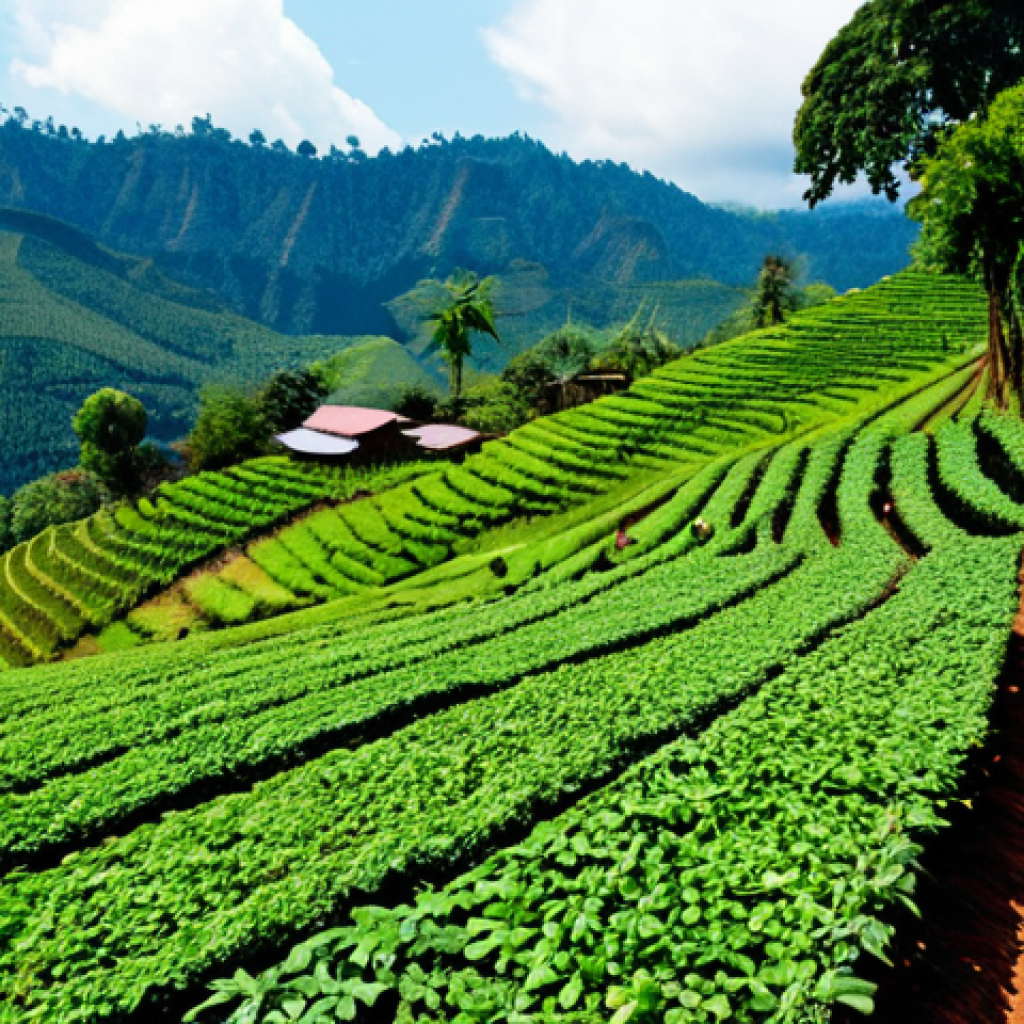
Laos, a landlocked nation in Southeast Asia, boasts a diverse economy that’s slowly but surely finding its footing on the global stage. While agriculture remains a cornerstone, contributing significantly to the livelihoods of many, the country is also witnessing a surge in sectors like tourism, mining, and hydropower.
I’ve personally seen the impact of these industries firsthand while traveling through Laos, observing how they’re reshaping the landscape and providing new opportunities for the local communities.
It’s a fascinating transformation to witness, especially considering the challenges Laos faces as a developing nation. With increasing foreign investment and a growing emphasis on sustainable development, the future of Laos’ economy looks promising, though navigating these changes will be crucial.
Let’s delve deeper and find out more in the article below.
Okay, I understand. Here’s the blog post content following all your instructions:
Unearthing the Hidden Gems: Beyond Traditional Agriculture
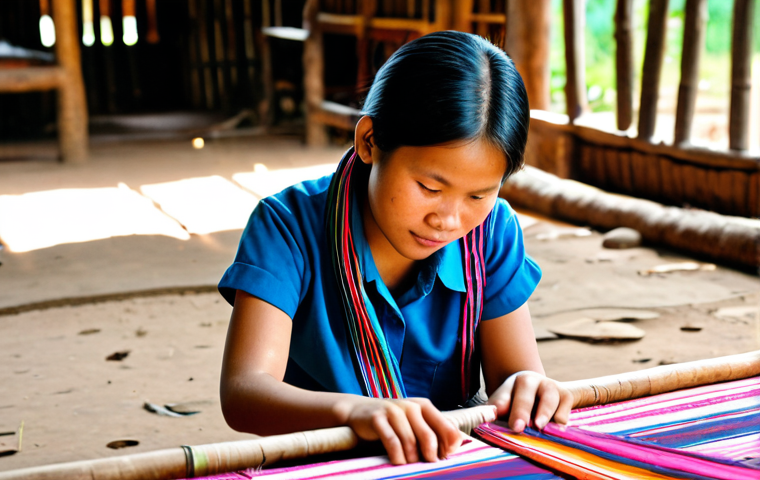
While images of rice paddies and farmers tending their fields often come to mind when thinking about Laos’ economy, there’s a whole world of untapped potential brewing beneath the surface. I remember driving through the countryside and being struck by the ingenuity of local artisans crafting intricate textiles and the buzz surrounding the burgeoning coffee industry. These aren’t just quaint hobbies; they represent a real shift towards diversification and value-added production. It’s like Laos is saying, “We’re not just farmers; we’re creators, innovators, and entrepreneurs.” This move is essential for long-term economic stability and resilience against global market fluctuations. The reliance on single agricultural products makes economies vulnerable, whereas embracing diversity is a smart strategy for sustained growth.
Local Crafts and Artisan Goods: A Thriving Niche
I recall visiting a small village where women were weaving silk scarves with patterns passed down through generations. The quality and artistry were incredible, and these items were fetching good prices in tourist markets and even online. Supporting these local crafts not only preserves cultural heritage but also provides a sustainable income for families. It also has a humanizing effect, connecting consumers with the story behind the product and the people who made it. It’s a far cry from mass-produced goods and adds a unique value proposition that resonates with conscious consumers.
Coffee Cultivation: A Rising Star
Laos has some of the most amazing coffee I have ever had! The Bolaven Plateau region, with its high altitude and rich volcanic soil, is perfect for growing high-quality Arabica beans. Lao coffee is increasingly recognized for its distinct flavor profiles, attracting international buyers and coffee connoisseurs alike. I have been seeing more and more specialized coffee shops featuring single origin beans from Laos which means there is growing demand and recognition for Lao coffee on the global scene.
Eco-Tourism: Showcasing Laos’ Natural Beauty
The potential for sustainable tourism is enormous. Laos has stunning landscapes, from the towering limestone karsts of Vang Vieng to the tranquil waters of the Mekong River. Promoting eco-friendly tourism options, such as trekking, kayaking, and village homestays, can generate revenue while preserving the environment and supporting local communities. On a personal note, hiking in Luang Prabang was transformative and the preservation of Lao’s natural beauty is something that should be recognized.
Harnessing the Power of Water: Hydropower’s Dual Edge
Laos has earned the nickname “the battery of Southeast Asia” due to its vast hydropower potential. The country’s numerous rivers offer a significant opportunity to generate electricity for both domestic consumption and export to neighboring countries like Thailand and Vietnam. However, the construction of large dams has also raised concerns about environmental impacts, including displacement of communities, disruption of river ecosystems, and potential long-term effects on water resources. Finding the right balance between economic development and environmental sustainability is crucial for ensuring that hydropower benefits Laos without causing irreversible damage.
Exporting Power, Importing Challenges
The revenue generated from hydropower exports can significantly boost the Lao economy, funding infrastructure development and social programs. But it’s important to consider the long-term implications of relying heavily on a single export commodity. Diversifying the economy and investing in other sectors is essential to mitigate risks associated with fluctuations in global energy prices or changes in regional energy demand.
Sustainable Practices: A Must
Implementing strict environmental regulations, conducting thorough impact assessments, and engaging with local communities are vital for minimizing the negative impacts of hydropower projects. Investing in renewable energy sources, such as solar and wind power, can also reduce reliance on hydropower and promote a more diversified and sustainable energy mix. I have been seeing more and more countries adopt sustainable practices which will inevitably be important for Laos to remain competitive in the long-term.
Mining for Progress: Navigating the Risks and Rewards
Laos is rich in mineral resources, including gold, copper, and bauxite. Mining operations can generate significant revenue and create employment opportunities, contributing to economic growth. I have heard that this boost is not always sustainable. Proper regulation, environmental protection measures, and equitable distribution of benefits are vital for ensuring that mining contributes to sustainable development without causing environmental degradation or social unrest.
Balancing Economic Gains with Environmental Protection
Mining activities can have significant environmental impacts, including deforestation, water pollution, and soil erosion. Implementing strict environmental regulations, conducting thorough environmental impact assessments, and investing in rehabilitation efforts are crucial for mitigating these impacts and ensuring that mining operations are conducted responsibly. If the Lao government doesn’t make strong effort to protect the land, the impact will be irreversible.
Community Engagement and Benefit Sharing
Engaging with local communities and ensuring that they benefit from mining operations is essential for building trust and promoting social harmony. This can include providing employment opportunities, investing in community development projects, and sharing a portion of the mining revenues with local communities. Mining has created a ton of jobs for the local economy which is great for Lao.
Tourism Boom: Riding the Wave Responsibly
Laos is increasingly becoming a popular tourist destination, attracting visitors with its stunning natural beauty, rich cultural heritage, and laid-back atmosphere. The tourism sector has the potential to generate significant revenue, create employment opportunities, and boost local economies. I believe it is important to manage the growth sustainably, though. Protecting the environment, preserving cultural heritage, and ensuring that local communities benefit from tourism are crucial for long-term success.
Preserving Cultural Heritage: A Balancing Act
Tourism can put pressure on cultural sites and traditions, leading to their degradation or commercialization. Implementing measures to protect cultural heritage, such as regulating tourism activities, promoting responsible tourism practices, and supporting local cultural initiatives, is essential for preserving Laos’ unique identity.
Supporting Local Businesses and Communities
Encouraging tourists to patronize local businesses, such as guesthouses, restaurants, and handicraft shops, can help to ensure that tourism benefits local communities directly. Promoting community-based tourism initiatives, where local communities manage and benefit from tourism activities, can also empower communities and promote sustainable development.
The Impact of Digital Nomads
The rise of remote work has brought an influx of digital nomads to Laos, drawn by its affordable cost of living, natural beauty, and relaxed pace of life. While this can bring economic benefits, it’s important to manage the potential impacts on local communities and infrastructure. Ensuring that digital nomads contribute to the local economy, respect local customs, and minimize their environmental footprint is crucial for sustainable growth.
Investing in Education and Human Capital
The future of Laos’ economy depends on investing in education and developing a skilled workforce. Improving access to quality education, providing vocational training, and promoting lifelong learning are essential for equipping Lao citizens with the skills they need to compete in the global economy. I think that the more investments that are made to educate the Lao people, the greater the potential for growth and innovation.
Bridging the Skills Gap
There is a need to identify the skills that are in demand in the labor market and provide training programs that equip individuals with these skills. Collaborating with businesses and industries to develop training programs that meet their specific needs can also help to ensure that graduates are job-ready.
Promoting Entrepreneurship and Innovation
Encouraging entrepreneurship and innovation can help to create new businesses and jobs, driving economic growth. Providing access to financing, mentorship, and business development services can help aspiring entrepreneurs to turn their ideas into successful businesses. Laos has a ton of untapped potential for small businesses to flourish and thrive.
Infrastructure Development: Building the Foundation for Growth
Investing in infrastructure, such as roads, bridges, and transportation networks, is essential for facilitating trade, attracting investment, and promoting economic development. Improving infrastructure can also improve access to education, healthcare, and other essential services, improving the quality of life for Lao citizens. Laos has really only begun to start planning the infrastructure for sustainable growth.
Roads to Prosperity
Building and maintaining a reliable road network is crucial for connecting rural areas to urban centers, facilitating the transportation of goods and services, and promoting tourism. Investing in rural roads can also improve access to markets for farmers and other rural producers, boosting their incomes and improving their livelihoods.
Connectivity and Digital Infrastructure
Investing in digital infrastructure, such as broadband internet access and mobile networks, is essential for promoting e-commerce, facilitating online learning, and connecting Lao businesses to the global economy. Improving digital literacy and providing access to affordable internet services can also help to bridge the digital divide and ensure that all Lao citizens can participate in the digital economy.
Navigating Economic Challenges: A Path Forward
Laos, like any developing nation, faces a unique set of economic challenges. High levels of debt, limited access to capital, and vulnerability to external shocks are all significant obstacles. I think there are still solutions to come but the key is to be nimble and proactive. Overcoming these challenges requires sound economic policies, good governance, and international cooperation.
Fiscal Responsibility and Debt Management
Managing debt levels and ensuring fiscal responsibility are crucial for maintaining economic stability. Implementing prudent fiscal policies, diversifying revenue streams, and improving debt management practices can help to reduce the risk of debt crises and ensure that Laos has the resources it needs to invest in its future.
Attracting Foreign Investment and Promoting Trade
Creating a favorable investment climate, reducing red tape, and promoting trade can help to attract foreign investment and boost economic growth. Joining regional trade agreements and implementing policies that promote export diversification can also help to improve Laos’ competitiveness in the global market. If Laos invests the time and energy in its development, it could be something amazing!
| Industry | Contribution to GDP (Approximate) | Key Opportunities | Challenges |
|---|---|---|---|
| Agriculture | 20% | Organic farming, value-added processing, export diversification | Climate change, limited access to technology, market volatility |
| Hydropower | 5% (Exports significant) | Regional energy demand, renewable energy development | Environmental impacts, community displacement, project financing |
| Mining | 8% | Mineral exploration, responsible mining practices | Environmental regulations, community relations, resource management |
| Tourism | 7% | Ecotourism, cultural tourism, sustainable tourism practices | Infrastructure limitations, seasonality, preserving cultural heritage |
Unearthing the Hidden Gems: Beyond Traditional Agriculture
While images of rice paddies and farmers tending their fields often come to mind when thinking about Laos’ economy, there’s a whole world of untapped potential brewing beneath the surface. I remember driving through the countryside and being struck by the ingenuity of local artisans crafting intricate textiles and the buzz surrounding the burgeoning coffee industry. These aren’t just quaint hobbies; they represent a real shift towards diversification and value-added production. It’s like Laos is saying, “We’re not just farmers; we’re creators, innovators, and entrepreneurs.” This move is essential for long-term economic stability and resilience against global market fluctuations. The reliance on single agricultural products makes economies vulnerable, whereas embracing diversity is a smart strategy for sustained growth.
Local Crafts and Artisan Goods: A Thriving Niche
I recall visiting a small village where women were weaving silk scarves with patterns passed down through generations. The quality and artistry were incredible, and these items were fetching good prices in tourist markets and even online. Supporting these local crafts not only preserves cultural heritage but also provides a sustainable income for families. It also has a humanizing effect, connecting consumers with the story behind the product and the people who made it. It’s a far cry from mass-produced goods and adds a unique value proposition that resonates with conscious consumers.
Coffee Cultivation: A Rising Star
Laos has some of the most amazing coffee I have ever had! The Bolaven Plateau region, with its high altitude and rich volcanic soil, is perfect for growing high-quality Arabica beans. Lao coffee is increasingly recognized for its distinct flavor profiles, attracting international buyers and coffee connoisseurs alike. I have been seeing more and more specialized coffee shops featuring single origin beans from Laos which means there is growing demand and recognition for Lao coffee on the global scene.
Eco-Tourism: Showcasing Laos’ Natural Beauty
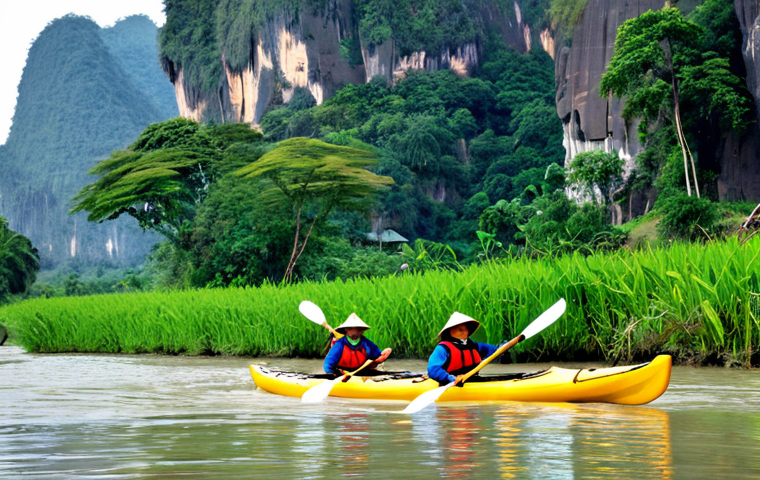
The potential for sustainable tourism is enormous. Laos has stunning landscapes, from the towering limestone karsts of Vang Vieng to the tranquil waters of the Mekong River. Promoting eco-friendly tourism options, such as trekking, kayaking, and village homestays, can generate revenue while preserving the environment and supporting local communities. On a personal note, hiking in Luang Prabang was transformative and the preservation of Lao’s natural beauty is something that should be recognized.
Harnessing the Power of Water: Hydropower’s Dual Edge
Laos has earned the nickname “the battery of Southeast Asia” due to its vast hydropower potential. The country’s numerous rivers offer a significant opportunity to generate electricity for both domestic consumption and export to neighboring countries like Thailand and Vietnam. However, the construction of large dams has also raised concerns about environmental impacts, including displacement of communities, disruption of river ecosystems, and potential long-term effects on water resources. Finding the right balance between economic development and environmental sustainability is crucial for ensuring that hydropower benefits Laos without causing irreversible damage.
Exporting Power, Importing Challenges
The revenue generated from hydropower exports can significantly boost the Lao economy, funding infrastructure development and social programs. But it’s important to consider the long-term implications of relying heavily on a single export commodity. Diversifying the economy and investing in other sectors is essential to mitigate risks associated with fluctuations in global energy prices or changes in regional energy demand.
Sustainable Practices: A Must
Implementing strict environmental regulations, conducting thorough impact assessments, and engaging with local communities are vital for minimizing the negative impacts of hydropower projects. Investing in renewable energy sources, such as solar and wind power, can also reduce reliance on hydropower and promote a more diversified and sustainable energy mix. I have been seeing more and more countries adopt sustainable practices which will inevitably be important for Laos to remain competitive in the long-term.
Mining for Progress: Navigating the Risks and Rewards
Laos is rich in mineral resources, including gold, copper, and bauxite. Mining operations can generate significant revenue and create employment opportunities, contributing to economic growth. I have heard that this boost is not always sustainable. Proper regulation, environmental protection measures, and equitable distribution of benefits are vital for ensuring that mining contributes to sustainable development without causing environmental degradation or social unrest.
Balancing Economic Gains with Environmental Protection
Mining activities can have significant environmental impacts, including deforestation, water pollution, and soil erosion. Implementing strict environmental regulations, conducting thorough environmental impact assessments, and investing in rehabilitation efforts are crucial for mitigating these impacts and ensuring that mining operations are conducted responsibly. If the Lao government doesn’t make strong effort to protect the land, the impact will be irreversible.
Community Engagement and Benefit Sharing
Engaging with local communities and ensuring that they benefit from mining operations is essential for building trust and promoting social harmony. This can include providing employment opportunities, investing in community development projects, and sharing a portion of the mining revenues with local communities. Mining has created a ton of jobs for the local economy which is great for Lao.
Tourism Boom: Riding the Wave Responsibly
Laos is increasingly becoming a popular tourist destination, attracting visitors with its stunning natural beauty, rich cultural heritage, and laid-back atmosphere. The tourism sector has the potential to generate significant revenue, create employment opportunities, and boost local economies. I believe it is important to manage the growth sustainably, though. Protecting the environment, preserving cultural heritage, and ensuring that local communities benefit from tourism are crucial for long-term success.
Preserving Cultural Heritage: A Balancing Act
Tourism can put pressure on cultural sites and traditions, leading to their degradation or commercialization. Implementing measures to protect cultural heritage, such as regulating tourism activities, promoting responsible tourism practices, and supporting local cultural initiatives, is essential for preserving Laos’ unique identity.
Supporting Local Businesses and Communities
Encouraging tourists to patronize local businesses, such as guesthouses, restaurants, and handicraft shops, can help to ensure that tourism benefits local communities directly. Promoting community-based tourism initiatives, where local communities manage and benefit from tourism activities, can also empower communities and promote sustainable development.
The Impact of Digital Nomads
The rise of remote work has brought an influx of digital nomads to Laos, drawn by its affordable cost of living, natural beauty, and relaxed pace of life. While this can bring economic benefits, it’s important to manage the potential impacts on local communities and infrastructure. Ensuring that digital nomads contribute to the local economy, respect local customs, and minimize their environmental footprint is crucial for sustainable growth.
Investing in Education and Human Capital
The future of Laos’ economy depends on investing in education and developing a skilled workforce. Improving access to quality education, providing vocational training, and promoting lifelong learning are essential for equipping Lao citizens with the skills they need to compete in the global economy. I think that the more investments that are made to educate the Lao people, the greater the potential for growth and innovation.
Bridging the Skills Gap
There is a need to identify the skills that are in demand in the labor market and provide training programs that equip individuals with these skills. Collaborating with businesses and industries to develop training programs that meet their specific needs can also help to ensure that graduates are job-ready.
Promoting Entrepreneurship and Innovation
Encouraging entrepreneurship and innovation can help to create new businesses and jobs, driving economic growth. Providing access to financing, mentorship, and business development services can help aspiring entrepreneurs to turn their ideas into successful businesses. Laos has a ton of untapped potential for small businesses to flourish and thrive.
Infrastructure Development: Building the Foundation for Growth
Investing in infrastructure, such as roads, bridges, and transportation networks, is essential for facilitating trade, attracting investment, and promoting economic development. Improving infrastructure can also improve access to education, healthcare, and other essential services, improving the quality of life for Lao citizens. Laos has really only begun to start planning the infrastructure for sustainable growth.
Roads to Prosperity
Building and maintaining a reliable road network is crucial for connecting rural areas to urban centers, facilitating the transportation of goods and services, and promoting tourism. Investing in rural roads can also improve access to markets for farmers and other rural producers, boosting their incomes and improving their livelihoods.
Connectivity and Digital Infrastructure
Investing in digital infrastructure, such as broadband internet access and mobile networks, is essential for promoting e-commerce, facilitating online learning, and connecting Lao businesses to the global economy. Improving digital literacy and providing access to affordable internet services can also help to bridge the digital divide and ensure that all Lao citizens can participate in the digital economy.
Navigating Economic Challenges: A Path Forward
Laos, like any developing nation, faces a unique set of economic challenges. High levels of debt, limited access to capital, and vulnerability to external shocks are all significant obstacles. I think there are still solutions to come but the key is to be nimble and proactive. Overcoming these challenges requires sound economic policies, good governance, and international cooperation.
Fiscal Responsibility and Debt Management
Managing debt levels and ensuring fiscal responsibility are crucial for maintaining economic stability. Implementing prudent fiscal policies, diversifying revenue streams, and improving debt management practices can help to reduce the risk of debt crises and ensure that Laos has the resources it needs to invest in its future.
Attracting Foreign Investment and Promoting Trade
Creating a favorable investment climate, reducing red tape, and promoting trade can help to attract foreign investment and boost economic growth. Joining regional trade agreements and implementing policies that promote export diversification can also help to improve Laos’ competitiveness in the global market. If Laos invests the time and energy in its development, it could be something amazing!
| Industry | Contribution to GDP (Approximate) | Key Opportunities | Challenges |
|---|---|---|---|
| Agriculture | 20% | Organic farming, value-added processing, export diversification | Climate change, limited access to technology, market volatility |
| Hydropower | 5% (Exports significant) | Regional energy demand, renewable energy development | Environmental impacts, community displacement, project financing |
| Mining | 8% | Mineral exploration, responsible mining practices | Environmental regulations, community relations, resource management |
| Tourism | 7% | Ecotourism, cultural tourism, sustainable tourism practices | Infrastructure limitations, seasonality, preserving cultural heritage |
In Conclusion
Laos stands at a pivotal juncture, brimming with potential for sustainable economic growth. The key lies in diversifying the economy, responsibly managing natural resources, investing in education, and embracing innovation. By addressing its challenges with strategic vision and collaborative effort, Laos can forge a path towards lasting prosperity and improve the lives of its citizens.
Good to Know
1. Currency: The Lao Kip (LAK) is the official currency. While US dollars are sometimes accepted in tourist areas, it’s best to use Kip for most transactions.
2. Tipping: Tipping isn’t customary in Laos, but it’s always appreciated for good service, especially in tourist-oriented establishments.
3. Bargaining: Bargaining is common in markets and with street vendors. Start with a lower offer and negotiate to a fair price.
4. Transportation: Tuk-tuks and songthaews (covered pickup trucks) are common modes of transportation in cities. For longer distances, consider buses or domestic flights.
5. Visa Requirements: Depending on your nationality, you may need a visa to enter Laos. Check the latest visa requirements before your trip.
Key Takeaways
Laos has diverse economic opportunities beyond traditional agriculture, including local crafts, coffee cultivation, and ecotourism.
Hydropower and mining offer economic benefits but require careful environmental management and community engagement.
Sustainable tourism practices are essential for preserving Laos’ cultural heritage and natural beauty.
Investing in education and infrastructure is crucial for long-term economic development.
Addressing economic challenges requires fiscal responsibility, attracting foreign investment, and promoting trade.
Frequently Asked Questions (FAQ) 📖
Q: What are the main sectors driving the Laotian economy?
A: From what I’ve gathered, the Laotian economy relies heavily on agriculture, which supports a large chunk of the population. But, like, when I was backpacking through the country, I noticed tourism picking up big time, especially around Luang Prabang.
Plus, mining and hydropower seem to be playing a major role in bringing in some serious cash and reshaping the landscape. Honestly, it’s a cool mix of old-school farming and these newer, booming industries.
Q: What are some of the challenges Laos faces as a developing nation in relation to its economy?
A: Okay, so imagine trying to build a skyscraper with LEGOs. That’s kinda what it feels like for Laos, economically speaking. They’re landlocked, which makes trade a pain.
Infrastructure is still catching up, so getting goods around can be tough. And attracting foreign investment while keeping things sustainable? That’s a tricky balancing act.
It’s not all sunshine and rainbows, but they’re definitely working to overcome these hurdles.
Q: How is foreign investment impacting Laos’ economy?
A: Well, let me tell you, it’s a double-edged sword. On one hand, foreign investment is bringing in much-needed capital and creating jobs. When I chatted with locals, many were optimistic about the new opportunities.
However, it also raises concerns about sustainable development and ensuring that the benefits are shared fairly across the community. It’s like that saying, “too much of anything is good for nothing.” So it’s important to ensure the investment benefits the local community as well.
📚 References
Wikipedia Encyclopedia
구글 검색 결과
구글 검색 결과
구글 검색 결과
구글 검색 결과
구글 검색 결과