Hey there, fellow adventurers! If you’re anything like me, you’re always on the hunt for that next unforgettable escape, a place that truly captures your imagination and offers a deeper connection.
Well, let me tell you, I’ve just returned from an incredible journey through Laos, and it has completely stolen my heart. This enchanting Southeast Asian gem is rapidly emerging from its “hidden secret” status, thanks to exciting new developments like the high-speed rail that’s making it easier than ever to explore, while still retaining its laid-back charm and commitment to sustainable tourism.
Trust me, it’s not just about the stunning landscapes; it’s about the genuine smiles, the rich culture, and those moments of serene beauty that make you want to slow down and truly soak it all in.
Navigating a country that’s balancing tradition with growth can be tricky, but that’s where a well-crafted itinerary comes in handy, ensuring you don’t miss any of those magical, authentic experiences.
I’ve put together my ultimate Laos travel itinerary, packed with everything from ancient temples and bustling night markets to breathtaking waterfalls and ethical eco-adventures.
If you’re ready to discover pristine nature, engage with vibrant local communities, and create memories that will last a lifetime, then let’s dive into the details right now!
I’m here to show you exactly how to make the most of your trip.
After that exhilarating trip, I just couldn’t wait to spill all the details and help you plan your own epic adventure through Laos! What a truly magical place.
I mean, between the ancient temples whispering stories of old and those incredible blue lagoons that feel like stepping into a postcard, Laos really delivers.
It’s that perfect blend of adventure and serene beauty, and honestly, every moment there felt like a cherished memory in the making. Let’s dive deeper into how you can soak up every bit of this captivating country, making sure you hit all the sweet spots while traveling authentically and responsibly.
Gliding Through the Golden Triangle: The High-Speed Rail Experience

Okay, let’s talk about the game-changer: the high-speed rail. Seriously, if you’ve heard tales of long, bumpy bus rides (and trust me, I’ve endured my share in other parts of Southeast Asia!), prepare for a completely different experience in Laos. The China-Laos Railway has absolutely transformed how we can explore this incredible country. From Vientiane, you can zip up to Vang Vieng and then onto Luang Prabang in what feels like no time at all, turning what used to be a full day’s journey into a mere hour or two.
Embracing Efficiency and Comfort on the Tracks
I distinctly remember my first high-speed train ride from Vientiane to Vang Vieng. I was bracing myself for typical Southeast Asian transport, but stepping onto that train was like entering a different world. The stations are modern, clean, and surprisingly efficient. My first-class seat was super comfy, complete with charging ports – a total lifesaver for keeping my camera charged for all those scenic views! The train itself glides so smoothly, letting you really appreciate the dramatic landscapes flashing by, from lush mountains to serene villages. It truly makes traversing Laos so much more accessible and enjoyable, freeing up more precious travel time for actual exploring. Don’t forget, though, you’ll need your passport and cash to buy tickets at the station, usually two to three days in advance, as online booking for tourists isn’t widely available yet. Also, be mindful of strict luggage rules – no aerosols or pocket knives, which they’re pretty serious about at security.
Navigating the Railway Like a Local
Even with the modern comforts, a few insider tips can make your rail journey even smoother. I learned quickly that arriving at least an hour before departure is wise, as lines can get busy. And while the train itself is fantastic, many stations outside the major hubs don’t have amenities like food vendors, so pack some snacks and water! Oh, and one cultural note I picked up: if you’re a woman, try to avoid sitting directly next to a monk. They won’t usually ask you to move, but it’s a sign of respect if you can find another seat or politely ask a man to swap with you. This railway isn’t just a mode of transport; it’s an experience in itself, allowing you to cover significant distances without feeling drained, and truly helps connect you to the heart of Laos.
Luang Prabang’s Timeless Allure: Temples, Falls, and Local Life
Luang Prabang, for me, is the soul of Laos. This UNESCO World Heritage city, nestled at the confluence of the Mekong and Nam Khan rivers, just oozes charm. I’ve been a few times, and each visit pulls me deeper into its peaceful rhythm and rich history. It’s a place where ancient traditions blend seamlessly with a gentle, welcoming atmosphere, making you want to linger for days.
Morning Rituals and Sacred Sites
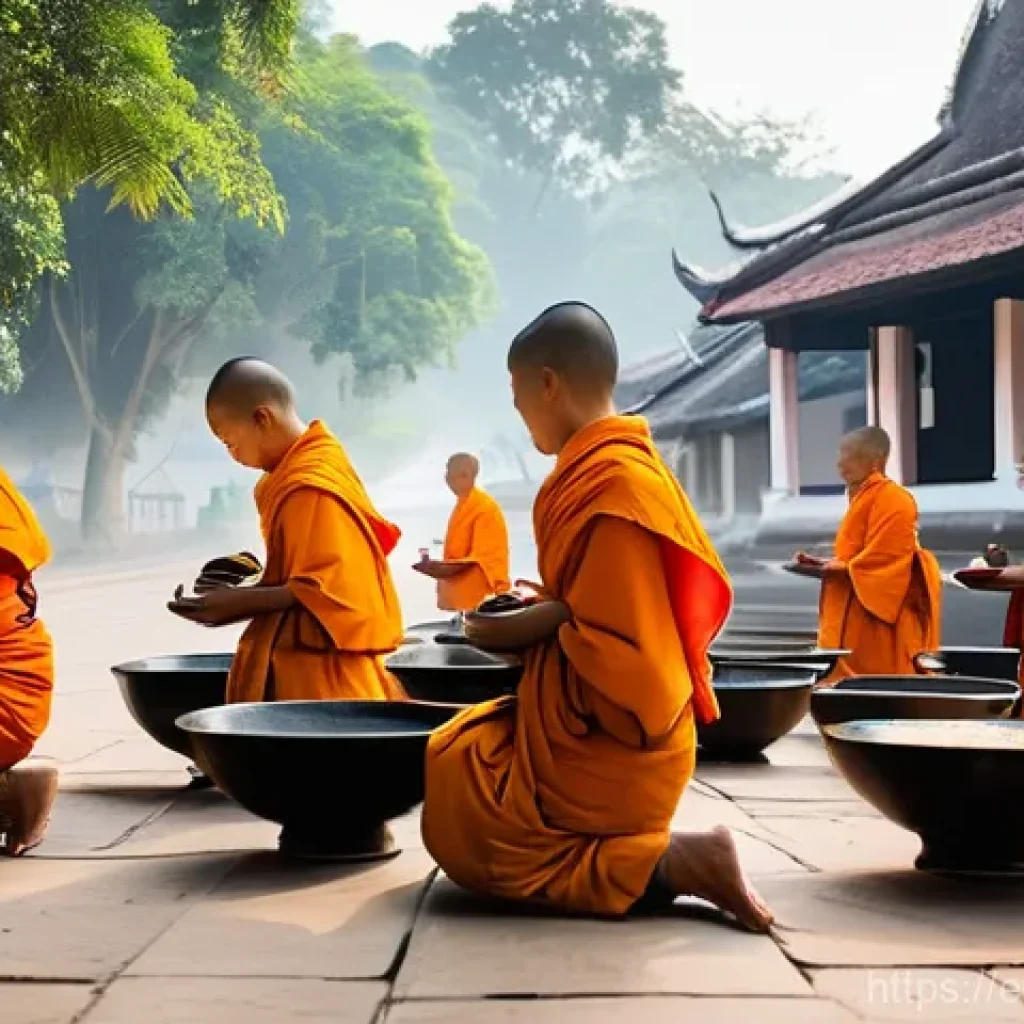
One of the most profound experiences I had was waking before dawn to witness the Tak Bat, the daily alms-giving ceremony. It’s an incredibly moving and spiritual spectacle, where saffron-robed monks gracefully walk through the streets collecting offerings from devout locals. Standing there, wrapped in the cool morning air, watching this ancient ritual unfold, truly put me in touch with the spiritual heart of Laos. Remember to observe respectfully: dress modestly, keep your distance, and don’t interrupt the monks. After that, a climb up Mount Phousi offers breathtaking panoramic views of the city at sunrise or sunset, with its temples and the two rivers stretching out below you.
Kuang Si Falls: Nature’s Masterpiece and Bear Sanctuary
You absolutely cannot visit Luang Prabang without making the trip to Kuang Si Falls. Trust me on this one. These multi-tiered turquoise waterfalls are simply stunning, creating natural swimming pools that are perfect for a refreshing dip on a hot day. The water, a vivid blue-green from the limestone, is utterly inviting. Plus, on the way to the falls, you’ll find the Tat Kuang Si Bear Rescue Centre, which provides a safe home for rescued Asiatic black bears. It’s heartening to see the conservation efforts firsthand, and it’s a great opportunity to learn about these amazing creatures. I spent hours here, just soaking in the natural beauty and feeling a sense of peace you rarely find.
Vang Vieng: Adventure Capital with a Serene Soul
Vang Vieng used to have a bit of a wild reputation, but let me tell you, it has matured beautifully into an eco-tourism hotspot that perfectly balances thrilling adventures with serene natural beauty. I was blown away by the dramatic limestone karsts that jut out of the landscape, and the tranquil Nam Song River winding through it all. It’s a perfect spot if you’re craving a bit of adrenaline mixed with serious relaxation.
Chasing Thrills and Turquoise Waters
My days in Vang Vieng were packed with excitement. Kayaking down the Nam Song River was an absolute highlight – the views of the karst mountains from the water are just spectacular, and it’s an incredible way to take in the scenery at a slower pace. For those feeling a bit more adventurous, rock climbing is a fantastic option, with local companies offering guided tours for all skill levels. And of course, the famous Blue Lagoons! While Blue Lagoon 1 can get quite busy, I found Blue Lagoon 3 to be a truly serene escape. Imagine swinging from a rope into crystal-clear turquoise waters, surrounded by lush jungle – pure bliss! Just remember to go early to beat the crowds, especially at the more popular spots.
Exploring Hidden Caves and Riverside Relaxation
Vang Vieng is also home to a fascinating network of caves. Tham Chang, for instance, is easily accessible and offers stunning stalactites and stalagmites. I loved exploring these natural wonders; it really feels like stepping into another world. And after all that exploring, nothing beats lounging by the Nam Song River, sipping on a cold Beerlao, and watching the hot air balloons drift lazily over the karsts at sunset. It’s an almost surreal experience, a perfect blend of adventure and utter tranquility that Vang Vieng does so well. I found myself lingering longer than planned, just savoring those peaceful moments.
The Mekong’s Southern Charm: Discovering Si Phan Don (4000 Islands)
Heading further south, where the mighty Mekong River spreads out into a labyrinth of waterways and emerald islets, you’ll find Si Phan Don, or the “4000 Islands.” This place is an absolute dream for slow travel. If you’re looking to truly unwind and experience a different pace of life, this is it. It feels miles away from the hustle and bustle, a tranquil haven where time genuinely slows down.
Island Hopping and Riverine Wonders
I spent my days on Don Det and Don Khone, the most visited islands, renting a bicycle for about 10,000 Kip ($1 USD) a day and cycling along dusty paths, past rice paddies and stilted wooden houses. It’s the best way to explore, stopping at local cafes for a refreshing mint and lime shake. The highlight here, for me, was witnessing the Khone Phapheng Falls – often called the “Niagara of the Mekong” and the largest waterfall in Southeast Asia by volume. It’s an awe-inspiring display of the river’s raw power. Sadly, the critically endangered Irrawaddy dolphins, once a draw, are now thought to be extinct in Laos, but the natural beauty of the area remains profound.
Embracing the Laid-Back Vibe
What truly captivated me about Si Phan Don was the sheer tranquility. Evenings were spent watching the sunset blaze across the Mekong, followed by delicious fresh grilled fish. There’s something incredibly therapeutic about the gentle creak of bicycle wheels and the absence of constant motorbikes. It’s a place where you can disconnect, read a book in a hammock, or simply watch life unfold along the riverbanks. If you’re yearning for a deeper connection with nature and a genuine respite from the modern world, Si Phan Don will leave an indelible mark on your heart. It certainly did on mine.
A Taste of Laos: Culinary Adventures and Market Magic

One of the quickest ways to truly immerse yourself in a new culture is through its food, and Laos absolutely did not disappoint. My taste buds went on their own adventure here, from savory stews to spicy dips, and let me tell you, it’s a culinary journey you won’t soon forget. Every meal felt like a discovery, a story told through vibrant flavors and fresh, local ingredients.
Exploring Local Markets and Cooking Classes
My absolute favorite thing to do in any new place is to dive headfirst into the local markets. Luang Prabang’s morning market was a feast for the senses – a vibrant tapestry of colors, smells, and sounds. I loved wandering through, admiring exotic ingredients like lemongrass, galangal, and riverweed, and trying various street foods. Taking a traditional Lao cooking class was another highlight. Starting with a market tour, I learned to identify fresh produce and then, back in the kitchen, pounded spicy jeow (chili dips) and wrapped fish in banana leaves to grill. It’s not just about learning recipes; it’s about understanding the cultural significance of each herb and dish, often tied to family traditions.
Must-Try Dishes and Dining Experiences
Lao cuisine is distinct, with its own unique flavors and textures. I quickly became obsessed with laap, a minced meat salad bursting with herbs and spices, and the various Mekong River fish dishes, often steamed in banana leaves – incredibly delicious! Don’t miss out on khao soi, a soft noodle soup with a rich, savory broth, especially if you find a legendary spot like Khao Soi Wat Sen in Luang Prabang. For a more casual evening, the night markets, particularly in Luang Prabang, offer an amazing array of street food at incredible prices. I remember finding a massive vegan buffet for less than $2, where I could fill my bowl with about 30 different dishes! While I did get sick once after eating street food, which can happen anywhere, it hasn’t deterred me from exploring those incredible flavors. It’s all part of the adventure, right?
Mindful Exploration: Practicing Sustainable and Ethical Tourism
As much as I adore exploring new places, I’m also deeply committed to traveling responsibly. Laos, with its stunning natural beauty and rich cultural heritage, is a country that truly benefits from conscious tourism. It’s about preserving those pristine landscapes and supporting the local communities that make this country so special. The good news is, Laos is actively working towards more sustainable tourism, with new initiatives encouraging eco-friendly practices.
Supporting Local and Conserving Nature
One of the easiest ways to be a responsible traveler is by choosing local. I always make an effort to stay in locally-owned guesthouses, eat at small family-run restaurants, and buy souvenirs directly from artisans. This ensures that your money directly benefits the people who need it most. Visiting places like the Tat Kuang Si Bear Rescue Centre in Luang Prabang or elephant sanctuaries (always do your research to ensure they’re truly ethical and don’t involve riding!) allows you to support conservation efforts. Many provinces, like Luang Namtha, are actively developing community-based ecotourism projects, offering authentic treks and homestays that directly involve and empower local communities.
Respecting Culture and Environment
Being mindful of local customs is also paramount. I quickly learned the importance of dressing modestly, especially when visiting temples – covering shoulders and knees is a must. The traditional “nop” (a prayer-like gesture with palms together) is a respectful greeting, though a simple “sabai di” (good health) with a smile goes a long way. Always remember to remove your shoes before entering temples or private homes. Environmentally, simple actions like carrying a reusable water bottle, minimizing plastic use, and sticking to marked trails during treks make a huge difference. Laos is a gem, and by being conscious travelers, we can help ensure its magic endures for generations to come.
Practical Magic: My Essential Laos Travel Tips
After immersing myself in the enchanting beauty of Laos, I’ve gathered a few practical gems that I really wish I’d known before my first trip. Navigating a new country always has its quirks, but with these tips, you’ll be set for a smoother, more enjoyable adventure, allowing you to focus on making those incredible memories.
Money Matters and Staying Connected
First up, currency. The official currency is the Lao Kip (LAK), but here’s a little secret: US dollars and Thai Baht are widely accepted, especially in larger towns and for bigger transactions. ATMs dispense Kip, but it’s a good idea to carry smaller US dollar bills for convenience. A crucial tip: you can’t exchange Kip outside of Laos, so make sure to spend it all before you leave! As for staying connected, getting a local SIM card upon arrival is usually hassle-free and affordable, providing essential data for navigation and keeping in touch. Don’t forget travel insurance – it’s a non-negotiable for any international trip, especially when you’re out exploring waterfalls and caves.
Getting Around and Cultural Sensitivities
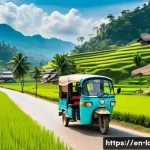
While the new high-speed rail is fantastic for inter-city travel, getting around within cities usually means tuk-tuks or bicycles. Always agree on a price before you hop into a tuk-tuk to avoid surprises. Renting a bicycle is my favorite way to explore smaller towns like Luang Prabang and Si Phan Don, offering freedom and a chance to truly soak in the atmosphere. Remember those cultural etiquette tips too: always remove your shoes before entering temples or someone’s home, dress modestly, and avoid touching people’s heads, which is considered sacred. A polite “nop” and a friendly “sabai di” will open many doors and show respect for the local way of life. Laos is such a warm and welcoming country, and showing a little consideration goes a very long way.
| Destination Highlight | Recommended Activity | Local Tip / Insider Insight |
|---|---|---|
| Luang Prabang | Witness the Tak Bat (morning alms giving) | Observe respectfully from a distance, dress modestly. Arrive before dawn for the best experience. |
| Luang Prabang | Explore Kuang Si Falls & Bear Sanctuary | Go on a weekday, early morning, for fewer crowds and a serene swim in the turquoise pools. |
| Vang Vieng | Kayaking on Nam Song River | Opt for a morning trip for calmer waters and stunning views of limestone karsts. |
| Vang Vieng | Visit Blue Lagoon 3 | Less crowded than Blue Lagoon 1; perfect for a peaceful dip and relaxation amidst nature. |
| Si Phan Don (4000 Islands) | Bicycle around Don Det and Don Khone | Rent a bike for about 10,000 Kip ($1 USD) per day to explore villages and rice fields. |
| Si Phan Don (4000 Islands) | Watch sunset over the Mekong River | Enjoy fresh grilled fish by the riverbanks for an unforgettable evening. |
| Throughout Laos | Try local Lao cuisine | Don’t miss laap, Mekong River fish dishes, and khao soi. Explore local markets for authentic tastes. |
Wrapping Up Our Lao Adventure
And there you have it, friends – my heart-on-my-sleeve guide to navigating the breathtaking beauty of Laos! This country truly captured a piece of my soul, offering a unique blend of ancient traditions, exhilarating adventures, and moments of profound peace that are hard to find elsewhere. I hope my experiences and tips inspire you to pack your bags and embark on your own unforgettable journey through its stunning landscapes and incredibly welcoming communities. It’s a place that teaches you to slow down, breathe deeply, and appreciate the magic in every corner, and I promise, it’ll leave you with cherished memories for a lifetime.
Useful Information to Know
1. High-Speed Rail Bookings: While incredibly efficient, online booking for tourists isn’t widely available yet. Plan to purchase your train tickets 2-3 days in advance directly at the station with cash. Remember your passport!
2. Currency & Exchange: The Lao Kip (LAK) is the official currency, but US dollars and Thai Baht are often accepted, especially in major towns. Crucially, you *cannot* exchange Kip outside of Laos, so make sure to spend it or convert it before you depart.
3. Local SIM Cards: Staying connected is easy and affordable. Grab a local SIM card upon arrival at the airport or in any major town for reliable data, which is super handy for navigation and keeping in touch.
4. Cultural Respect: Always remember to dress modestly, especially when visiting temples or sacred sites (shoulders and knees covered). Remove your shoes before entering temples or private homes, and a gentle “sabai di” goes a long way!
5. Travel Insurance: This is a non-negotiable! Laos offers incredible adventures, from kayaking to cave exploring, so having comprehensive travel insurance for medical emergencies, trip cancellations, or lost luggage will give you immense peace of mind.
Key Takeaways
Laos is a country of captivating contrasts, offering both exhilarating adventure and profound tranquility. The new high-speed rail has revolutionized travel, making it easier than ever to explore its diverse regions, from the spiritual heart of Luang Prabang to the adventure hub of Vang Vieng and the laid-back charm of the 4000 Islands. Immerse yourself in the rich culinary scene, support local communities through sustainable tourism, and always approach your journey with an open heart and respect for local customs. It’s an unforgettable destination that promises authentic experiences and memories that will last a lifetime.
Frequently Asked Questions (FAQ) 📖
Q: How has the new high-speed rail changed travel within Laos, and what are your personal thoughts on using it?
A: Oh my goodness, the high-speed rail is an absolute game-changer for Laos! Before, getting between major cities like Vientiane, Vang Vieng, and Luang Prabang could mean long, sometimes bumpy, bus rides that ate up a whole day.
I remember an 8-hour bus journey that felt like an eternity! But now, with the Laos-China Railway, those travel times are dramatically cut down. For example, the trip from Vientiane to Luang Prabang, which used to be 10+ hours by road, now takes less than two hours by express train.
It’s incredibly efficient, comfortable, and quite cost-effective too. I personally used it to go from Vientiane to Vang Vieng and then on to Luang Prabang, and I was genuinely impressed.
The trains are modern, air-conditioned, and even have snack bars and power outlets. It honestly makes traveling around Laos so much easier and faster, allowing you to pack more authentic experiences into your trip without feeling rushed or exhausted from transit.
Just remember to buy your tickets a few days in advance, as they can sell out, and you’ll often need cash if purchasing in person at the station. And trust me, arrive at least two hours before departure for queues and security checks – stations usually open a little before and after scheduled departures.
Q: What’s the absolute best time to visit Laos to enjoy its natural beauty and vibrant culture, while also experiencing its commitment to sustainable tourism?
A: From my own experience, and what I’ve heard from fellow travelers, the sweet spot for visiting Laos is definitely during the cool, dry season, which runs from November to February.
During these months, the temperatures are wonderfully comfortable, usually ranging from 15°C to 25°C in places like Luang Prabang and Vientiane, making it perfect for exploring temples, trekking, and enjoying outdoor activities without the intense heat or heavy rains.
The landscapes are lush and green after the wet season, and river levels are high enough for easy boat trips on the Mekong, which is a truly magical experience.
While this is peak tourist season, Laos still feels incredibly laid-back compared to its neighbors. If you’re keen on sustainable tourism, this time also allows you to comfortably engage with local communities through eco-lodges and responsible tours, which are actively working to preserve Laos’s natural and cultural heritage.
You can easily find opportunities to support local artisans in markets or visit protected natural parks like Nam Et-Phou Louey, ensuring your travel dollars make a positive impact.
Q: How can I travel Laos on a reasonable budget without missing out on those truly authentic and meaningful cultural experiences?
A: This is a question close to my heart because I love getting the most out of my travels without breaking the bank! Laos is actually one of the cheapest countries to backpack in, and you absolutely don’t need a huge budget to have incredible, authentic experiences.
My top tip for saving money while diving deep into the culture is to embrace local living. First, prioritize street food! It’s not just delicious and incredibly fresh, but it’s also super cheap.
Think laap, khao niew (sticky rice), and flavorful curries – you’ll find amazing meals for just a few dollars. Second, choose locally owned guesthouses or hostels.
You can find dorm beds for around five dollars a night, or basic private rooms for a bit more. This keeps your money directly in the local economy, which is a huge part of responsible tourism.
Third, try accepting invitations from locals if you’re lucky enough to receive them; staying with a local family is an unforgettable, money-saving experience that offers unparalleled cultural insight.
Finally, for activities, consider renting a bicycle to explore smaller towns like Luang Prabang or hiring a local guide for treks or tours instead of booking through large international agencies.
This not only saves you money but also ensures your funds support the community and gives you a more personalized, authentic interaction. Remember, a daily budget of $25-30 USD can get you quite far, allowing for private rooms, street food, and engaging activities.
It’s all about making conscious choices that benefit both your wallet and the wonderful people of Laos!