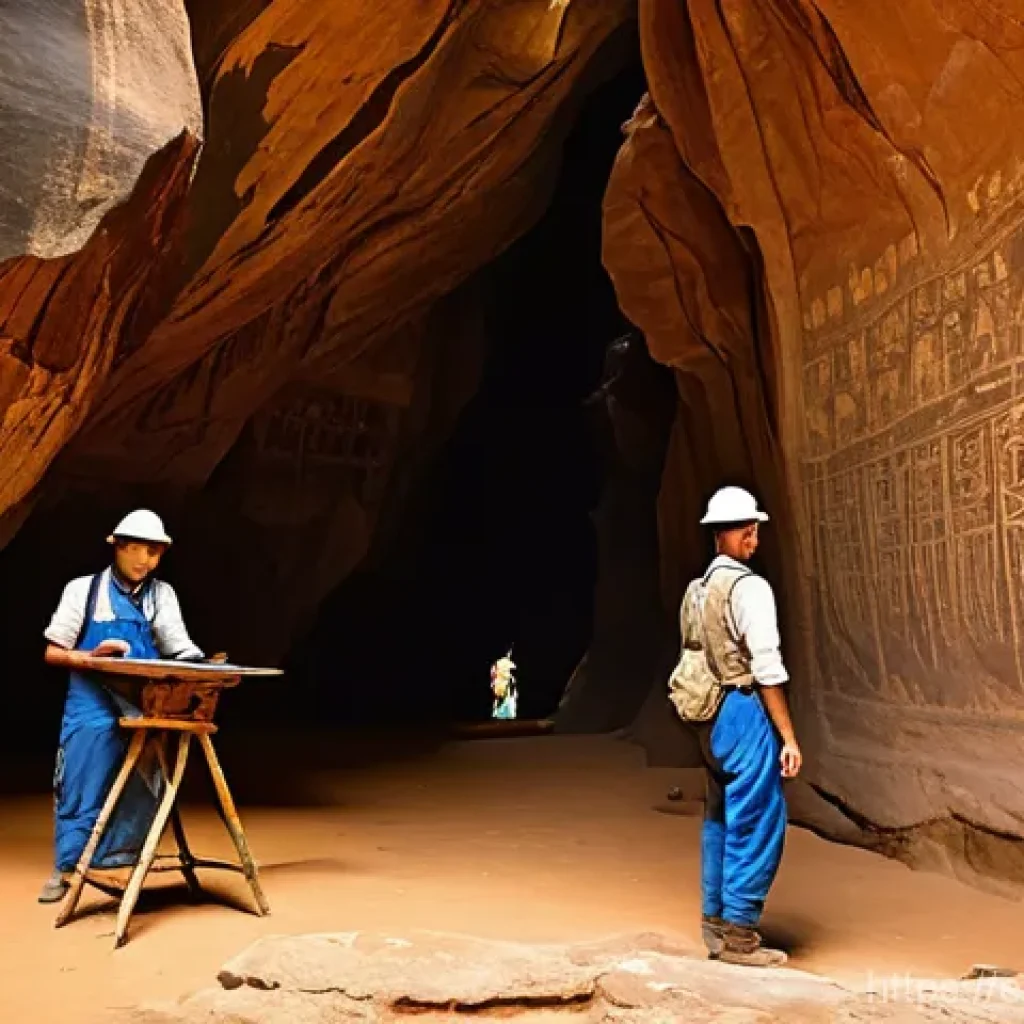
Have you ever dreamed of stepping back in time, touching the very origins of human creativity? Laos, a jewel in Southeast Asia, holds some of the world’s most incredible ancient secrets: magnificent cave paintings that whisper tales from millennia ago.
From intricate handprints to mysterious animal depictions, these prehistoric masterpieces are more than just art; they’re a direct window into the lives and minds of our earliest ancestors.
Trust me, experiencing these hidden galleries is unlike anything else – a truly profound connection to a past that still resonates today. Let’s embark on this extraordinary journey together and uncover the captivating stories etched into Laos’s ancient cave walls!
Hey fellow adventurers! Have you ever wondered what whispers from humanity’s deep past truly sound like? My latest deep dive into Laos’s ancient cave paintings has genuinely left me speechless, revealing secrets etched into stone for millennia.
Forget your typical tourist traps; we’re talking about breathtaking prehistoric art, some only just being formally studied now, like the incredible ‘Hidden Hands’ cave, a monumental discovery from 2024.
Imagine standing where our ancestors once created stunning imagery, using natural pigments, perhaps telling stories of their lives, their beliefs, or even marking significant events.
It’s not just art; it’s a direct connection to the very first human stories in Southeast Asia, predating recorded history! As a travel and culture enthusiast, I’ve personally felt the profound energy of these places, a feeling you just can’t get from a textbook.
This isn’t just about preserving history; it’s about understanding ourselves. With new dating techniques being explored and fresh discoveries emerging almost constantly, this corner of the world is a goldmine for anyone hungry for genuine cultural immersion.
We’ll explore not only the art itself but also the incredible efforts being made to protect these fragile legacies for future generations, ensuring their magic isn’t lost to time or the modern world.
If you’re looking to elevate your travel experiences beyond the ordinary and discover something truly monumental, you’ve hit the jackpot. These caves offer an unparalleled journey back in time, and I’m here to share all the fascinating details, tips for responsible visiting, and why these sites are poised to become major draws for conscious travelers seeking authentic connections.
Stay tuned to unlock the secrets held within these ancient walls!
Unveiling Laos’s Oldest Art Galleries
It’s truly exhilarating to think that beneath the lush landscapes of Laos, there are silent archives of human history waiting to be discovered. I mean, we’re not just talking about old rocks; we’re talking about masterpieces, hand-etched and painted by our ancestors, long before written language even existed.
Imagine the thrill of an international team of archaeologists, in 2024, formally studying a site like Tham Pha Mue, locally known as “Hidden Hands” cave, in Khammouane Province.
This isn’t just a discovery; it’s a monumental moment, uncovering over 200 ancient rock paintings—handprints, animals, and mysterious symbols—some so high up you can tell the original artists used scaffolding to reach their canvas.
Standing in a place like that, you can almost feel the presence of those early artists, can’t you? It’s a direct, profound connection to the very first human stories in Southeast Asia, predating anything we thought we knew from textbooks.
As an explorer of cultures, I can tell you that experiencing these sites firsthand gives you a sense of wonder that photographs simply can’t capture. The vibrant red and orange pigments, crafted from natural materials, have stood the test of millennia, whispering tales of ancient beliefs and daily lives.
The Whispers of Tham Pha Mue: A 2024 Breakthrough
The sheer scale of the “Hidden Hands” cave, or Tham Pha Mue, is breathtaking. What started with a hunter in the 1990s chasing mountain goats led to its recognition as one of the richest rock art sites in mainland Southeast Asia.
Walking through it, I can only marvel at the intricate details: hand stencils, some with shortened fingers, others tiny, clearly from children, along with stick-like human figures, and animals that look like mountain goats.
There’s even a unique closed fist image, which scientists say is completely new for the region, hinting at deeper, symbolic meanings beyond mere decoration.
What’s truly exciting is the ongoing scientific endeavor to date these artworks using advanced techniques like uranium-series dating. If successful, this could finally provide solid timelines for prehistoric art in mainland Southeast Asia, filling in massive gaps in our understanding of early human migration and cultural development.
It makes you feel like you’re on the cusp of truly unlocking ancient secrets, doesn’t it?
Art Across Eras: From Prehistory to Pilgrimage
While “Hidden Hands” is making waves with its recent formal study, other sites like the Pak Ou Caves in Luang Prabang offer a different, yet equally compelling, layered history.
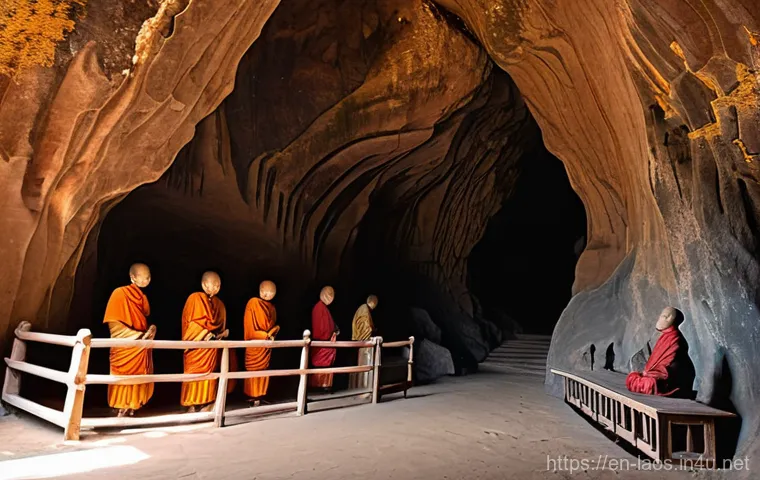
I’ve been there, and it’s fascinating how the ancient red paintings of domesticated buffalo, human figures, and handprints coexist with thousands of later Buddhist statues.
It’s a powerful reminder that these caves have held spiritual significance for countless generations, evolving with human belief systems. The transition from animistic or prehistoric artistic expression to a Buddhist shrine, which local traditions say was once home to a powerful river spirit, demonstrates a remarkable continuity of sacred space.
This intertwining of ancient rock art and more recent religious devotion makes these sites incredibly rich, telling a continuous story of human interaction with these natural wonders.
You really get a sense of history unfolding right before your eyes, not just as static artifacts but as living cultural landscapes.
Decoding the Ancient Canvas: What Stories Do They Tell?
When you gaze upon these ancient cave paintings, it’s impossible not to wonder about the lives of the people who created them. What drove them to spend countless hours mixing pigments, climbing precarious scaffolds, and meticulously applying these images to stone?
The “Hidden Hands” cave, for example, features not just simple handprints, but some that appear to be wearing bracelets, suggesting an attention to detail and possibly, a symbolic representation of identity or status.
It makes me think about what they were trying to communicate. Were these coming-of-age rituals? Marks of territory?
Or perhaps an early form of storytelling, capturing their encounters with animals and their spiritual connections to the world around them? The commonality of certain styles and symbols found across rock art sites in Laos, Thailand, and Malaysia even hints at shared cultural practices among prehistoric communities throughout Southeast Asia.
This idea of a shared ancient heritage, transcending modern borders, is absolutely captivating to me, suggesting a much more interconnected past than we often imagine.
The Symbolism of Handprints and Figures
The prevalence of hand stencils in so many prehistoric rock art sites is particularly intriguing. When I stood before a wall adorned with these spectral imprints, I felt a deep sense of connection, almost as if reaching out to touch the past.
In Tham Pha Mue, some handprints are placed an astonishing 14 meters high, requiring the artists to use scaffolding or climb incredible heights. This wasn’t casual art; it was a deliberate, often challenging act of creation.
Researchers believe these might be a form of signature, a way for individuals to leave their mark, or perhaps they served a ritualistic purpose, invoking protection or blessing.
The tiny handprints, likely from children, suggest that this artistic tradition was passed down through generations, a community endeavor. Beyond hands, the stick-like human figures and various animal depictions, especially mountain goats, painted with natural red and orange pigments, are like windows into their environment and possibly their belief systems, reflecting their daily lives and the creatures they shared their world with.
Beyond Art: Evidence of Early Human Presence
While cave paintings themselves are a form of communication, the caves also hold even older, more direct evidence of our ancestors. Consider Tam Pa Ling cave, nestled in the Annamite Mountains.
This site isn’t primarily known for its rock art, but rather for the incredible discovery of early Homo sapiens fossils, some dating back as far as 70,000 to 46,000 years ago.
This is groundbreaking! It suggests that modern humans migrated into Southeast Asia much earlier than previously thought. When I hear about such discoveries, it truly puts the concept of “ancient” into perspective.
Recent studies using microstratigraphy have even allowed archaeologists to reconstruct the environmental conditions of the cave in the past, finding traces of charcoal and ash that might point to early human use of fire.
This isn’t just about art anymore; it’s about understanding the very journey of humanity itself and how our earliest relatives adapted to and thrived in this beautiful, wild part of the world.
It’s a humbling thought, connecting us directly to the first footsteps of mankind in this region.
Preserving Priceless Legacies for Future Generations
The sheer age and fragile nature of these cave paintings mean that their preservation is absolutely critical. These aren’t just pretty pictures; they are irreplaceable historical documents, telling us about humanity’s beginnings, creativity, and connection to the natural world.
I’ve always been a firm believer that we have a responsibility to protect these sites, not just for academics but for everyone, so future generations can experience that same profound connection I felt.
At sites like Tham Pha Mue, I’m genuinely encouraged to see international teams working hand-in-hand with local communities. Training local villagers to help protect the site, and involving them in early discussions about controlled, small-scale tourism, is exactly the kind of sustainable approach that ensures these treasures remain intact.
It’s about empowering the people who live closest to these sites to be their primary guardians, blending traditional knowledge with modern conservation techniques.
The Challenges of Conservation in Karst Landscapes
Preserving rock art in humid, dynamic karst environments like Laos presents unique challenges. The very caves that protect these paintings also host natural processes like mineral deposition and erosion, which can threaten the art.
Moreover, increasing tourism, while beneficial for local economies, must be managed carefully to avoid accidental damage. The need for ongoing monitoring, careful environmental control, and scientific research into best conservation practices is paramount.
I’ve spoken with experts who highlight that understanding the microclimates within these caves is key to preventing further degradation. It’s a delicate balance, ensuring accessibility for those eager to connect with history while rigorously safeguarding the art itself.
This is why careful planning and community engagement are not just buzzwords, but essential components of any successful heritage project.
Community-Led Protection and Sustainable Tourism
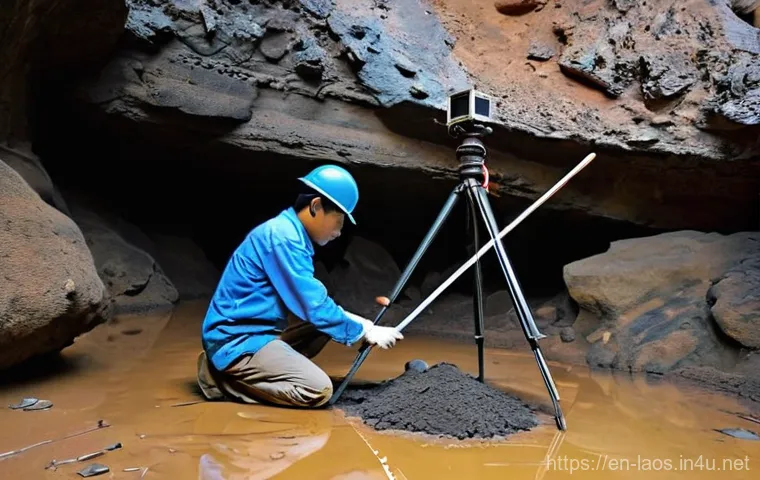
The shift towards involving local communities in heritage preservation is a game-changer. When locals are directly invested in protecting a site, its chances of long-term survival skyrocket.
In places like Tham Pha Mue, this means training residents to act as custodians and guides, giving them a direct stake in its future. This also creates new economic opportunities, turning preservation into a viable livelihood.
Imagine visiting a site where your guide is a local villager, sharing stories passed down through generations, interwoven with scientific discoveries.
That’s an experience money can’t buy! Furthermore, by developing controlled tourism, we can ensure that visitors contribute positively to conservation efforts, rather than inadvertently causing harm.
It’s a win-win: travelers get authentic, deeply meaningful experiences, and the ancient art gets the protection it desperately needs.
Embarking on Your Own Ancient Art Expedition
Planning a trip to see these incredible ancient cave paintings in Laos is more than just a vacation; it’s an immersion into the very fabric of human history.
Believe me, the feeling of standing in front of art created tens of thousands of years ago is absolutely indescribable. While some sites are still undergoing extensive study and may have limited access to ensure their protection, others are more established for visitors.
My advice is always to seek out reputable local guides and tour operators who prioritize responsible tourism and community engagement. They’ll not only enhance your understanding of these sites but also ensure your visit contributes positively to their preservation.
It’s an opportunity to connect with the land and its ancient inhabitants in a way that few other travel experiences can offer. Remember to travel respectfully, leaving no trace behind, and soaking in every moment of this extraordinary journey back in time.
Practical Tips for a Responsible Visit
When you venture into these ancient sanctuaries, a few key things can make all the difference. First, always bring a good headlamp, even if a guide provides one; reliable light is crucial.
Wear sturdy, comfortable shoes suitable for uneven terrain. Most importantly, remember that these are incredibly delicate and sacred sites. Touching the rock art, carving your own marks, or disturbing any archaeological features is a definite no-no.
It’s about preserving these precious legacies for literally thousands more years. Support local communities by hiring local guides and purchasing crafts from them.
And don’t forget your reusable water bottle – reducing plastic waste helps protect these pristine environments.
Beyond the Caves: Embracing Laotian Culture
Your journey to uncover ancient art will naturally lead you through some of Laos’s most beautiful regions. While you’re there, take the opportunity to immerse yourself in the vibrant modern culture, too.
Explore the serene temples of Luang Prabang, discover the stunning natural beauty of places like Vang Vieng, or engage with local artisans in bustling markets.
The warmth and hospitality of the Laotian people are truly a highlight of any visit. Enjoy the delicious local cuisine, learn a few basic Lao phrases, and simply let yourself be open to the unexpected wonders of this incredible country.
It’s a holistic experience that connects you not just to the past, but to the living, breathing heart of Laos today.
| Cave Site | Primary Feature | Location Highlight | Historical/Cultural Significance |
|---|---|---|---|
| Tham Pha Mue (“Hidden Hands”) | Prehistoric rock paintings (handprints, animals, symbols) | Khammouane Province (Central Laos) | Monumental 2024 discovery, rich in diverse prehistoric art, hints at ancient scaffolding use. |
| Pak Ou Caves | Ancient rock art and thousands of Buddhist statues | Luang Prabang Province (North Laos) | Layered history of prehistoric art and a significant Buddhist pilgrimage site. |
| Tam Pa Ling Cave | Early Homo sapiens fossils | Houaphanh Province (North-East Laos) | Critical for understanding early human migration into Southeast Asia, dates back 46,000-70,000 years. |
글을 마치며
And there you have it, fellow adventurers! Our journey through Laos’s ancient cave art has been nothing short of astounding, right? From the recently unveiled mysteries of Tham Pha Mue to the spiritual confluence at Pak Ou Caves and the early human traces in Tam Pa Ling, each site offers a profound glimpse into our shared past. It’s truly a privilege to connect with these artistic expressions and the history they embody, reminding us that humanity’s story is far richer and older than we often imagine. I sincerely hope this deep dive has sparked your wanderlust and deepened your appreciation for these irreplaceable cultural treasures. There’s just something about standing where our ancestors stood, isn’t there? It makes you feel incredibly alive and connected to the grand narrative of human existence.
알아두면 쓸모 있는 정보
1. Plan Your Visit Wisely: Laos’s weather can vary, so the dry season (October to April) is generally best for exploring caves and outdoor sites, as walkways might be flooded during the wet season. Always check local conditions before you go.
2. Embrace Local Guides: Hiring a local guide isn’t just about navigation; it’s about enriching your experience with authentic insights into the history, culture, and often, the personal stories connected to these sites. It’s also a fantastic way to support local communities directly.
3. Pack Smart: Good walking shoes are a must for uneven cave terrains, and a reliable headlamp or flashlight will be your best friend, especially in darker, less-developed caves. Don’t forget a reusable water bottle to stay hydrated and minimize waste!
4. Practice Responsible Tourism: These sites are ancient and fragile. Please, never touch the rock art, carve your own marks, or disturb any archaeological features. Your respectful visit helps preserve these precious legacies for future generations. Supporting local businesses and staying in eco-friendly accommodations also makes a huge positive impact.
5. Immerse Yourself Beyond the Caves: While the ancient art is a highlight, Laos offers so much more. Explore vibrant night markets in Luang Prabang, try delicious Lao cuisine like laap and khao niew, and engage with the incredibly warm and hospitable local people. Learning a few basic Lao phrases can go a long way in enhancing your interactions!
중요 사항 정리
Our journey has illuminated the extraordinary depth of human history and artistic expression hidden within Laos’s caves. The formal study of Tham Pha Mue in 2024, with its over 200 ancient rock paintings, stands as a monumental discovery, pushing the boundaries of what we understand about early human presence and artistic ingenuity in Southeast Asia. From intricate handprints requiring ancient scaffolding to mysterious animal depictions, these artworks offer invaluable insights into prehistoric life and belief systems. Similarly, sites like the Pak Ou Caves showcase a layered history where ancient art intertwines with centuries of spiritual devotion, illustrating the continuous significance of these natural wonders. The findings from Tam Pa Ling cave, revealing early Homo sapiens fossils dating back potentially 70,000 to 46,000 years, further underscore Laos’s critical role in understanding human migration patterns across the continent. Preserving these fragile legacies is paramount, and it’s truly heartening to see international research teams collaborating with local communities to implement sustainable conservation efforts and responsible tourism practices. This ensures that these priceless connections to our ancient ancestors are protected, allowing future generations to experience the same awe and wonder we feel today. The rich history and vibrant culture of Laos, both ancient and modern, offer an unparalleled experience for any curious traveler.
Frequently Asked Questions (FAQ) 📖
Q: How accessible are these ancient cave painting sites in Laos, especially for someone looking for an authentic cultural experience?
A: I totally get it – when you hear about something as incredible as ancient cave art, your first thought is probably, “How do I get there?!” Trust me, it’s not always a straightforward tourist bus trip, and that’s precisely what makes the experience so profoundly rewarding.
While some sites are more established, many of these hidden galleries, like the recently highlighted ‘Hidden Hands’ cave from 2024, are still being formally studied, which means they might require a bit more adventurous spirit to reach.
Often, visiting involves local guides, perhaps some trekking, and a genuine respect for the local communities who have protected these treasures for centuries.
I’ve found that connecting with local tour operators or even smaller, community-based tourism initiatives is the best way to ensure you’re not only seeing these wonders responsibly but also contributing directly to the preservation efforts.
It’s a journey, not just a destination, and it’s absolutely worth every step for that unparalleled connection to the past!
Q: What makes the ancient cave paintings in Laos so unique and historically significant compared to other prehistoric art sites around the world?
A: Oh, this is such a fantastic question, and it really gets to the heart of why these sites in Laos have captivated me so much! What sets them apart, from my perspective, is their incredible rawness and the ongoing nature of discovery.
While places like Lascaux or Altamira are breathtaking, the Lao sites offer a different kind of living history. We’re talking about art that provides a direct, unedited window into the very first human stories in Southeast Asia, predating much of what we consider “recorded history.” The sheer diversity of depictions, from intricate handprints to mysterious animal figures, often made with natural pigments, speaks volumes about the early inhabitants’ beliefs, daily lives, and perhaps even significant events.
Plus, with new dating techniques constantly being explored and fresh discoveries emerging, like the monumental ‘Hidden Hands’ cave, it feels like we’re on the cusp of truly unlocking their full narrative.
It’s not just observing history; it’s being part of its unfolding, and that’s a pretty powerful feeling, if you ask me!
Q: What kind of art can visitors expect to see in these caves, and what’s being done to protect these invaluable historical sites for the future?
A: This is where the magic really comes alive! When you step into these ancient galleries, prepare to be amazed by the sheer variety and detail of the artwork.
I’ve personally been struck by everything from countless intricate handprints, which feel like direct echoes from our ancestors, to mysterious animal depictions that might have held spiritual or totemic significance.
You’ll also encounter various human figures and abstract symbols, all etched onto the cave walls using natural pigments that have remarkably stood the test of time.
It’s not just art; it’s a form of ancient storytelling! As for preservation, that’s a critical part of the puzzle. These sites are incredibly fragile, and a lot of dedicated effort goes into protecting them.
This includes archaeological studies, responsible tourism initiatives that educate visitors on respectful conduct, and working closely with local communities to ensure these legacies aren’t lost to modern development or natural decay.
It’s a delicate balance, but the commitment to safeguarding these profound connections to our past is truly inspiring, and it’s why visiting responsibly is so incredibly important for all of us.