Hey fellow food adventurers! If you’re anything like me, your travels are often guided by your appetite, right? I’ve been fortunate to explore the vibrant culinary landscapes of both Laos and Thailand extensively, and while they share some delicious threads, oh boy, are there some incredible differences to savor!

From the zesty, herbaceous kick of Lao dishes that truly woke up my palate, to the perfectly balanced sweet, sour, salty, and spicy symphonies I found in Thailand, my taste buds have had an unforgettable journey.
Trust me, understanding these distinctions isn’t just about food; it’s about connecting with the heart of each culture. Want to truly distinguish between these two phenomenal cuisines?
Let’s explore the delicious details together, right here.
Aromatic Adventures: Herbaceous Kicks vs. Balanced Harmonies
The Unapologetic Freshness of Lao Flavors
Oh, the first time I tasted true Laotian food, it was an explosion of flavors that truly woke up my palate! I was sitting by the Mekong River, a bowl of *laap* in front of me, and it wasn’t just spicy; it was alive with fresh herbs.
I’m talking about a vibrant burst of mint, cilantro, spring onion, and that incredible toasted sticky rice powder, *khao khua*, which gives everything a nutty depth and amazing texture.
Lao cuisine, to me, often feels like it’s saying, “Here I am, take it or leave it!” It’s less about sweet or sour balance and more about the raw, pungent power of its ingredients.
Think of *tam mak hoong*, the spicy green papaya salad, which in Laos is usually fermented fish sauce-forward, intensely spicy, and often has a unique, almost challenging funkiness that I’ve grown to absolutely adore.
It’s a very visceral experience, making you feel every single ingredient in a bold, direct way. When I think back to my meals in Luang Prabang, it’s always that unadulterated, earthy freshness that comes to mind first.
It’s an authentic taste that really connects you to the local land and traditions, a truly unforgettable experience.
Thailand’s Masterful Symphony of Tastes
Then, stepping into Thailand, it’s like entering a beautifully orchestrated culinary performance where every note is perfectly placed. Thai food, while incredibly diverse, often strives for a delicate balance of sweet, sour, salty, and spicy.
Take *Pad Thai*, for instance; it’s not just a stir-fry, it’s a harmonious blend of tamarind for sourness, palm sugar for sweetness, fish sauce for saltiness, and chilies for heat, all coming together in a delightful dance on your tongue.
I remember having a *Tom Yum Goong* in Bangkok, and each spoonful was a revelation – the lemongrass, galangal, kaffir lime leaves, chilies, and shrimp paste all contributing to this complex, layered flavor that just sings.
It’s not about one flavor dominating; it’s about how they all interact and create a new, exciting profile. It’s a cuisine that invites you to appreciate the subtlety and skill in its preparation, even when it packs a serious punch.
This balance is what makes Thai food so universally appealing, and why I often find myself craving both cuisines for entirely different, equally delicious reasons.
Sticky Rice and Noodle Narratives: The Staple Story
Khao Niao: The Heartbeat of Lao Meals
If there’s one thing that truly defines eating in Laos, it’s sticky rice, or *khao niao*. I mean, seriously, it’s not just a side dish; it’s the foundation of almost every meal.
You see people rolling it into little balls with their hands, using it as an edible utensil to scoop up everything from spicy *mok pa* (steamed fish in banana leaves) to grilled meats.
I can still feel the satisfying chewiness and the slightly sweet, earthy taste of freshly steamed sticky rice, a truly comforting sensation. It’s such a communal experience too; sharing a basket of sticky rice with friends or family feels so natural and warm, fostering a sense of togetherness.
It’s culturally significant, embodying the spirit of sharing and the rich agricultural heritage of the country. I remember one morning in Vientiane, having sticky rice with a simple grilled fish and some *jeow* (a spicy dipping sauce), and it was pure comfort, a perfect start to the day.
It’s truly ingrained in their daily life and dining rituals, making every meal a hands-on, deeply connected affair.
Thailand’s Diverse Grains and Noodle Nirvana
In Thailand, while rice is absolutely central, it’s typically jasmine rice (*khao hom mali*), which is fragrant and fluffy, rather than sticky. It often accompanies curries, stir-fries, and grilled dishes, serving as a neutral canvas for the vibrant flavors of the main courses.
But where Thailand really shines in its starch game is with noodles! Oh my goodness, the variety is astounding. From the thin rice vermicelli in *khanom jeen nam ya* to the wide, chewy rice noodles in *pad see ew* or *rad na*, and let’s not forget the egg noodles in a rich *khao soi* curry.
I’ve spent countless hours in noodle shops across Thailand, mesmerized by the speed and skill of the cooks as they effortlessly craft each dish. Each noodle dish feels like its own universe of flavors and textures, perfectly designed for specific broths or sauces, making every bite an exciting discovery.
It’s a testament to Thailand’s culinary adaptability and its embrace of diverse influences, creating an incredibly rich tapestry of staple foods that go far beyond just rice, truly a noodle nirvana.
Spice Levels and Sensation: A Culinary Rollercoaster
Lao Food: Unfiltered Heat and Earthy Depths
When I talk about spice in Laos, I’m talking about a direct, no-holds-barred kind of heat. It often comes from potent bird’s eye chilies, used liberally and often quite raw, delivering an immediate and intense kick.
My first encounter with a truly Lao-spicy dish left my mouth tingling for a good half hour, but in the best possible way! It’s not just about the burn; it’s integrated with the intense savory and herbal notes, creating a multi-faceted sensation that builds with every bite.
I’ve noticed that Lao cooks aren’t shy about using ingredients like *padaek* (fermented fish sauce), which adds a deep, savory, umami-rich layer that can sometimes be perceived as a bit pungent by newcomers, but it’s absolutely crucial to the authentic flavor profile.
It gives dishes a profound earthiness that perfectly complements the fresh herbs and chilies, making the experience truly unique. This raw, bold approach to spice, combined with the powerful fermented flavors, makes Lao cuisine a truly adventurous eat.
It’s definitely for those who appreciate robust, unadulterated flavors and aren’t afraid of a serious kick.
Thai Cuisine: Controlled Burn with Aromatic Finesse
Thai spice, on the other hand, while it can certainly reach searing levels, often feels more modulated and aromatic. Thai dishes frequently incorporate a broader spectrum of chilies, like the larger *prik chee fah* or smaller *prik kee noo*, alongside a complex array of spices and aromatics that temper and enhance the heat.
Think about the fragrant chili pastes that form the base of many Thai curries, like *gaeng keow wan* (green curry) or *massaman curry*. These pastes aren’t just about heat; they’re painstakingly ground with ingredients like lemongrass, galangal, kaffir lime zest, and often roasted spices like cumin and coriander, creating a nuanced warmth that builds rather than overwhelms.
I find that even in very spicy Thai dishes, there’s always an underlying balance, a refreshing tartness or a hint of sweetness that provides a counterpoint to the heat, making it a more rounded and complex experience.
It’s a sophisticated play with fire, where the heat is a key player, but never the sole star, always harmonizing with other elements.
| Feature | Laotian Cuisine | Thai Cuisine |
|---|---|---|
| Primary Rice Staple | Sticky Rice (*Khao Niao*) | Jasmine Rice (*Khao Hom Mali*) |
| Dominant Ferment | Padaek (thick, fermented fish sauce) | Nam Pla (clear fish sauce), Kapi (shrimp paste) |
| Flavor Profile | Herbaceous, earthy, pungent, direct spice | Balanced sweet, sour, salty, spicy, aromatic |
| Typical Spice Level | Often very high, raw chili heat | Varies widely, often nuanced with aromatics |
| Noodle Dishes | Fewer, simpler noodle dishes | Extensive and diverse noodle repertoire |
Fermentation’s Magic: Unlocking Umami and Complexity
Padaek: The Soulful Secret of Laos
You simply cannot talk about Laotian cuisine without dedicating a whole section to *padaek*. This deeply fermented, unfiltered fish sauce is, without exaggeration, the soul of so many Lao dishes.
I’ve heard locals describe it as giving food its “Lao-ness,” and after experiencing it myself, I totally get it. Unlike the clearer, more refined fish sauce you often find in Thai cooking, *padaek* is thick, cloudy, and carries a robust, earthy, and intensely savory aroma that is truly distinctive.
It’s what gives *tam mak hoong* that signature funk, and it adds an incredible depth to stews, dipping sauces (*jeow*), and even soups, transforming simple ingredients into something extraordinary.
My first sniff of *padaek* was a revelation – it’s powerful, almost startling, but once you taste it in context, you realize it’s an indispensable source of umami that creates an unbelievably rich and satisfying flavor profile.
It’s a culinary ingredient that really tells a story of tradition, patience, and a deep connection to the land and its resources, embodying the very essence of Lao cooking.
Namprik and Balanced Ferments in Thailand
Thailand also embraces fermentation, but often with a slightly different approach, focusing on a broader spectrum of fermented elements. While *nam pla* (clear fish sauce) is a fundamental seasoning, Thai cuisine also boasts an incredible array of *namprik* – chili pastes and dips that often incorporate fermented shrimp paste (*kapi*).
These *namprik* are incredibly diverse, ranging from mild to fiery, and can include ingredients like grilled fish, dried shrimp, and various herbs and spices, all pounded together to create complex flavor bombs.
I remember being fascinated by the sheer variety of *namprik* on offer in Thai markets, each one promising a unique flavor journey and culinary adventure.
Beyond fish and shrimp paste, you’ll also find fermented soy beans, sour fermented sausages (*naem*), and pickled vegetables, all contributing to the complex tapestry of Thai flavors.
It’s about leveraging fermentation to create specific flavor notes that contribute to the overall balance and depth of a dish, rather than being the dominant, singular flavor component as *padaek* often is in Laos.
Street Food Wonders and Culinary Landscapes
Laos’s Unpretentious Street Eats
The street food scene in Laos, from my experience, is wonderfully unpretentious and deeply authentic, reflecting the country’s laid-back charm. It’s less about elaborate setups and more about incredibly fresh, simple, and flavorful dishes cooked right in front of you, often by vendors who have perfected their craft over years.
I’ve spent many evenings wandering through night markets in Luang Prabang and Vientiane, grabbing delicious grilled Mekong river fish, perfectly seasoned skewered meats, and vibrant salads.
The focus is often on the quality of the local ingredients and straightforward preparations that highlight their natural tastes, creating a sense of genuine local cuisine.

You’ll find stalls serving up steaming bowls of *khao piak sen* (Lao noodle soup), fresh spring rolls, and, of course, endless sticky rice and *jeow* (dipping sauces).
It feels very much like a community affair, where food is prepared with care for locals and visitors alike. It’s an intimate glimpse into the daily lives of people, and every bite feels like a piece of genuine Laotian culture.
The atmosphere is usually laid-back, the prices are incredibly friendly, and the flavors are consistently hearty and comforting, leaving you fully satisfied.
Thailand’s Bustling Street Food Empire
Thailand, on the other hand, is arguably the undisputed king of street food, an experience that tantalizes all your senses. From the chaotic, aromatic lanes of Bangkok’s Chinatown to the vibrant markets of Chiang Mai, the variety and sheer scale are breathtaking, an endless feast for the eyes and the stomach.
I remember being completely overwhelmed (in the best way!) by the choices available, from morning till late night. You can find everything imaginable: sizzling *pad krapow*, crispy *hoi tod* (oyster omelets), fragrant curries, elaborate desserts, and drinks you’ve never even heard of.
Thai street food is not just about eating; it’s a sensory spectacle, a performance unfolding before your very eyes. The speed, the artistry, the constant hum of activity – it’s a vital part of the urban landscape.
It’s a highly competitive scene, which means vendors are constantly striving for perfection, often specializing in just one or two dishes they’ve perfected over generations.
This culinary diversity and the sheer energy of the street food scene make eating your way through Thailand an unforgettable adventure, offering endless opportunities to discover new favorites and truly immerse yourself in the culture.
Beyond the Plate: Cultural Connections and Traditions
Dining Etiquette and Communal Spirit in Laos
In Laos, eating is a profoundly communal experience, one that quickly teaches you the importance of sharing and connection. I quickly learned that sharing is key; meals are often served on a mat or low table, with everyone reaching into shared dishes.
The sticky rice, as I mentioned, is passed around, and you simply pull off a piece to eat with your hands, making it a very tactile and engaging experience.
There’s a certain intimacy to it, a feeling of togetherness that really resonates and fosters strong bonds. It’s less about individual portions and more about enjoying food as a group, fostering conversation and connection that goes beyond just the meal itself.
I remember being invited to a local family’s home, and the warmth and generosity around the shared meal were truly touching, a memory I cherish. It’s a culture where food acts as a bridge, strengthening bonds and creating a relaxed, inclusive atmosphere for everyone present.
The pace of dining often feels slower, encouraging lingering conversations and a deeper appreciation for the simple, wholesome food that nourishes both body and soul.
Thai Hospitality and Diverse Dining Settings
Thai dining also emphasizes sharing, but with a slightly different social dynamic that showcases their renowned hospitality. While dishes are typically shared amongst the table, individual plates of rice are common, and cutlery (fork and spoon) is widely used, though it’s still common to see people using their hands for certain dishes, especially sticky rice-based ones.
Thai hospitality is legendary, and dining experiences can range from a quick, bustling street food meal to an elegant, multi-course dinner in a high-end restaurant, offering something for every occasion.
I’ve been equally charmed by the friendly banter with a street vendor and the refined service in a Chiang Mai restaurant, each experience delightful in its own way.
There’s a strong cultural emphasis on *sanuk* (fun) and *jai yen yen* (cool heart/patience) that permeates the dining experience, making it enjoyable and relaxed, never rushed.
While sharing is central, there’s also an appreciation for individual choices and a wide array of dining environments catering to different occasions and preferences.
This adaptability and warmth in their hospitality truly make Thai dining a delightful experience every single time you sit down to eat.
Sweet Endings and Refreshing Sips
Laos’s Simple Sweet Treats and Cooling Drinks
When it comes to desserts and drinks in Laos, I found them to be delightful in their simplicity and ingenious use of local ingredients. Often, desserts are fruit-based, like fresh mango or papaya, or incorporate sticky rice with coconut milk and fruit, like *khao niao mamuang* (mango sticky rice), which is popular but perhaps less ubiquitous than in Thailand.
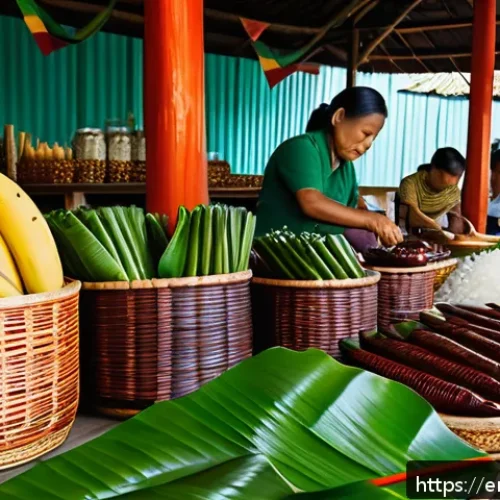
I also loved trying the sweet sticky rice cakes wrapped in banana leaves, which are subtly sweet and incredibly satisfying. For drinks, *nam oy* (fresh sugarcane juice) is incredibly refreshing, especially on a hot day, a natural thirst quencher.
And of course, the strong, rich Lao coffee, often served with condensed milk, is a must-try for any coffee lover – a truly robust and energizing brew.
I remember sitting by the Mekong River in the morning, sipping a sweet Lao coffee, and just watching the world go by – it’s a truly peaceful and authentic experience that captures the essence of Lao life.
The focus is usually on natural sweetness and simple preparations that perfectly complement the often rich and savory main courses, providing a gentle and satisfying conclusion to a meal.
Thailand’s Diverse Dessert Palette and Beverage Innovations
Thailand boasts an incredibly diverse and often elaborate dessert scene, a true paradise for anyone with a sweet tooth. Beyond the famous *mango sticky rice*, which truly reaches peak perfection here with its perfectly ripe mangoes and creamy coconut sauce, you’ll find a huge array of sweets.
From the intricate golden desserts like *thong yip* and *foi thong*, often made with egg yolks and sugar syrup, to refreshing coconut milk jellies, sticky rice dumplings (*bua loy*), and icy treats like *kanom wan* that provide a welcome relief from the heat.
I’ve always been amazed by the artistry in Thai desserts – they’re often as beautiful to look at as they are delicious to eat, miniature edible masterpieces.
And the drinks! Thai iced tea (*cha yen*) is legendary, a perfect blend of strong tea, milk, and sugar, and you’ll find countless fresh fruit shakes, herbal drinks, and, of course, a huge variety of local coffees and teas, catering to every preference.
The culinary innovation extends to beverages and desserts, offering a vibrant and often very sweet conclusion to any meal. It’s a fantastic exploration of textures, colors, and flavors, providing a wonderful contrast to the savory main dishes, making sure your taste buds are delighted from start to finish.
Concluding Thoughts
What an incredible journey we’ve had, diving deep into the vibrant worlds of Laotian and Thai cuisine! It’s truly fascinating how two neighboring countries can offer such distinct yet equally captivating culinary experiences. On one hand, you have Laos, with its bold, unadulterated flavors, relying heavily on the earthy pungency of *padaek* and the comforting chew of sticky rice, offering a truly visceral and deeply traditional taste. Then there’s Thailand, a masterful symphony of flavors, where every dish is a testament to balance, aroma, and a more refined complexity. My adventures through these kitchens have taught me that neither is superior; they are simply different facets of Southeast Asian culinary brilliance, each offering unique stories and sensations that linger long after the last bite. I genuinely hope this deep dive encourages you to explore both, savoring every unique aroma and flavor.
Helpful Tips to Know
1. When you’re out exploring the incredible culinary landscapes of Laos and Thailand, understanding and navigating the spice levels is absolutely key to a truly enjoyable experience. From my personal journey, I’ve learned that while both cuisines can pack a serious punch, the *type* of heat often differs. In Laos, the spice tends to be very direct and raw, often from fresh bird’s eye chilies, so when they say “spicy,” they *mean* it! I remember one time, confidently asking for “phet mak mak” (very spicy) in Vientiane, and my eyes watered for a solid ten minutes – a lesson learned! So, if you’re not used to extreme heat, always start by asking for “mai phet” (not spicy) or “phet noi” (a little spicy) in Thailand, or simply indicate “no chili” in Laos, and then gradually work your way up. Don’t be afraid to clearly communicate your preference, as locals are usually very accommodating. It’s better to add more chili later from the condiment trays (which are ubiquitous in Southeast Asia!) than to be overwhelmed from the first bite. Also, have some sticky rice or plain jasmine rice handy; it’s a fantastic fire extinguisher for your palate!
2. One of the most enriching parts of my culinary adventures in this region has been embracing the unique local flavors, especially those derived from fermentation. It truly defines the character of each cuisine. In Laos, you absolutely *must* try dishes that feature *padaek*, the fermented fish sauce. I know, for some, the aroma might be a bit challenging at first – it’s certainly robust! – but trust me, it unlocks an unparalleled depth of umami and earthiness that is utterly central to Lao cooking. It gives *tam mak hoong* (papaya salad) its signature funk and enriches countless stews. Don’t shy away from it; consider it a right of passage into authentic Lao flavors. In Thailand, while *nam pla* (clear fish sauce) is everywhere, also keep an eye out for *kapi* (shrimp paste) in their *namprik* chili pastes and curries. These fermented elements aren’t just ingredients; they are cultural cornerstones, developed over generations to preserve food and enhance flavor, creating complexity that simply can’t be replicated with fresh ingredients alone. Taking that leap of faith and trying these fundamental flavors will deepen your appreciation for the local culinary artistry immensely.
3. To truly get a feel for the local food culture, you absolutely have to dive headfirst into the street food scene – it’s where the heart of both Laos and Thailand beats strongest! My top tip for you is to observe where the locals are eating; a bustling stall with a long queue is almost always a good sign of fresh, delicious food and a high turnover, which usually means better hygiene. Don’t be afraid to point to what looks good if you’re unsure how to order in English, or have a translation app ready. In Thailand, especially in vibrant cities like Bangkok or Chiang Mai, the sheer variety can be overwhelming in the best way possible. Try a little bit of everything: grilled skewers, noodle soups, stir-fries, and definitely some fresh fruit. In Laos, the street food often feels a bit more laid-back, but just as flavorful, with fantastic grilled fish and noodle dishes. I always make sure to carry some hand sanitizer, and I look for stalls where the food is cooked fresh to order, or kept hot and covered. Experiencing the street food isn’t just about eating; it’s an immersive cultural experience, a feast for all your senses that’s often incredibly budget-friendly and unbelievably tasty.
4. When dining in Laos and Thailand, observing a few simple etiquette tips can really enhance your experience and show respect for local customs. In Laos, communal eating is very much the norm, especially with sticky rice (*khao niao*). I learned quickly that it’s customary to use your right hand to roll the sticky rice into small balls and then use it to scoop up other dishes; it’s a wonderfully tactile way to eat and fosters a strong sense of togetherness. In both countries, dishes are usually ordered for the table and shared, rather than individual main courses, so feel free to try a bit of everything! While forks and spoons are common in Thailand (the fork pushes food onto the spoon, which is used to eat), it’s generally polite to avoid putting your fork directly into your mouth. Also, avoid pointing your feet at people or food, as the feet are considered the lowest part of the body. Always accept food or drinks offered to you, even if you only take a small amount, as it’s a gesture of hospitality. These small considerations go a long way in making connections and showing appreciation for the local way of life.
5. Traveling and eating your way through Laos and Thailand can be incredibly affordable, especially if you embrace local eateries and street food. From my experience, you can often enjoy a satisfying and delicious meal for just a few US dollars, sometimes even less, particularly in Laos. Always have some local currency on hand – Lao Kip (LAK) in Laos and Thai Baht (THB) in Thailand – as many smaller vendors, especially in markets, prefer cash, and some may not accept cards. While higher-end restaurants can be found, I’ve found that the most authentic and memorable meals often come from unassuming local spots or bustling street stalls. Don’t be afraid to venture a little off the main tourist drag; that’s often where you’ll discover hidden culinary gems and experience food cooked with genuine passion. Bargaining is generally not expected in restaurants or for street food, but prices are often clearly displayed. If you want to save even more, look for “local prices” which are sometimes listed separately, although often the difference isn’t huge. Prioritizing local markets for snacks and fresh fruit is also a fantastic way to stretch your budget and immerse yourself in the vibrant daily life of the region.
Key Takeaways
Ultimately, both Laotian and Thai cuisines offer rich, distinct, and incredibly rewarding culinary experiences. Laos truly embraces bold, earthy, and unadulterated flavors, with sticky rice and *padaek* at its heart, offering a deeply authentic and visceral connection to its traditions. Thailand, on the other hand, presents a symphony of balanced flavors, intricate aromatics, and a diverse array of staples, from fragrant jasmine rice to countless noodle dishes, showcasing a sophisticated culinary artistry. While their approaches differ, both countries share a profound love for fresh ingredients, a welcoming spirit, and an ability to create unforgettable meals that tell a story of their vibrant cultures. Don’t miss the chance to savor both!
Frequently Asked Questions (FAQ) 📖
Q: What’s the absolute biggest difference in flavor I’ll notice between Lao and Thai cuisine, right off the bat?
A: Oh, this is such a fantastic question, and one I get asked all the time! From my own travels and countless meals, I’d say the most striking difference is in the intensity and balance of flavors.
When you dive into Laotian food, prepare for a bold, almost rustic embrace. It’s often characterized by a profound herbaceousness, a zesty sourness, and a deep, savory umami that frequently comes from padaek, their fermented fish sauce.
It’s got this incredible earthiness and a powerful, fragrant punch that truly wakes up your palate. I remember my first bite of a Lao dish, and it was like a flavor explosion I hadn’t quite experienced before – very fresh, very direct, and incredibly unique.
Thai cuisine, on the other hand, is a masterclass in harmony. While it also features intense flavors, the magic is in how perfectly balanced they are.
Thai dishes aim for a symphony of sweet, sour, salty, and spicy, often with a creamy richness from coconut milk or a bright citrus note from lime, all meticulously blended.
You rarely find one flavor dominating for too long. It’s like a beautifully choreographed dance on your tongue, where each element plays its part to create a complex, smooth, and utterly addictive experience.
So, if you love a raw, untamed flavor adventure, Laos is your spot. If you crave elegant, layered perfection, Thailand has your name on it!
Q: Are there any specific dishes that really exemplify these unique culinary styles that I should definitely try?
A: Absolutely! To really get a feel for the distinction, you absolutely must try a few iconic dishes. For Laos, my top recommendation would be Larb – often considered their national dish.
It’s a minced meat salad (chicken, pork, beef, or fish) seasoned with toasted sticky rice powder, lime juice, fish sauce, chilies, and a generous amount of fresh herbs like mint, cilantro, and spring onions.
Eating it is an experience; the texture of the toasted rice powder adds a nutty crunch, and the freshness of the herbs combined with the spicy, sour, and savory notes is just mind-blowing.
Another must-try is Tam Mak Hoong, the Lao green papaya salad. While Thailand has its Som Tum, the Lao version is often funkier, spicier, and relies heavily on padaek, giving it a deeper, more pungent flavor profile that I personally adore.
It’s raw, vibrant, and packed with incredible zest! When you swing over to Thailand, you’ve got a whole other world of classics waiting. Of course, Pad Thai is universally loved for its perfect sweet-sour-salty balance and comforting noodles.
But for a true taste of Thai complexity, dive into a bowl of Tom Yum Goong, the hot and sour shrimp soup. The interplay of lemongrass, galangal, kaffir lime leaves, chilies, and fish sauce is just divine, hitting all those sweet, sour, spicy, and savory notes in one spoonful.
And you can’t leave without trying a creamy Green Curry (Gaeng Keow Wan). The rich coconut milk base, vibrant green chilies, and aromatic herbs create a dish that’s spicy yet incredibly soothing, showcasing that masterful Thai balance beautifully.
Each of these dishes truly tells a story of its origin!
Q: Beyond just the taste, how does the food and dining experience reflect the overall culture in Laos versus Thailand?
A: That’s a brilliant way to think about it, because food is so much more than just what’s on the plate – it’s the heart of a culture! In Laos, I always felt that dining was a very communal, almost intimate affair.
Meals often revolve around a large basket of sticky rice, which acts as the centerpiece, and everyone shares various dishes. It’s common to see families gathered, pulling off chunks of sticky rice with their hands to scoop up curries, dips, and salads.
There’s a wonderful sense of warmth and generosity, and the food itself often feels very authentic and “home-cooked,” even when you’re eating at a humble street stall.
It’s less about presentation and more about the honest, robust flavors and the shared experience. The pace is often a bit slower, reflecting the laid-back rhythm of Lao life.
Thailand’s dining culture, while also communal, feels a little more dynamic and perhaps even theatrical. Street food is a massive part of the experience, with vendors meticulously preparing dishes right in front of you, the air filled with incredible aromas.
There’s a vast diversity of options, and people often graze through multiple stalls, sampling a little bit of everything. Thai dining often feels faster-paced, vibrant, and bustling, perfectly mirroring the energetic street life, especially in cities like Bangkok.
While both cultures emphasize hospitality, I found the Thai experience often involved a broader range of culinary creativity and a slight emphasis on visual appeal alongside the incredible flavors.
Both are absolutely captivating in their own right, and trying to immerse yourself in their dining customs truly enriches your travel experience!