Unlock Laos Entry: Essential Tips You Can’t Afford to Miss

webmaster

**

"A traveler with a backpack, fully clothed in modest travel attire, standing in front of Wattay International Airport in Vientiane, Laos. The traveler is holding a map and looking around, seemingly just arrived. The scene includes Lao script signage in the background. Clear, bright daylight, professional photography, perfect anatomy, correct proportions, safe for work, appropriate content, family-friendly travel destination."

**

So, you’re thinking about heading to Laos? Awesome choice! I remember the first time I landed in Vientiane; that humid air hit me like a wall, and I knew I was in for an adventure.

Stepping off the plane, the visa process seemed a little daunting, but honestly, it was smoother than I expected. I was definitely a bit nervous about the whole immigration thing – you know, filling out forms correctly and making sure I had the right documents ready.

It’s one of those travel moments that can make or break the start of your trip. Preparing well definitely pays off, and understanding the latest entry requirements is key to avoid any hiccups upon arrival.

Let’s make sure you’re prepped with the essential details you need for a seamless entry.

Alright, here we go! Let’s get you prepped for Laos:

Navigating the Visa Landscape: What You Need to Know

unlock - 이미지 1

The visa situation for Laos can seem a bit confusing at first, but trust me, it’s manageable. I remember being super stressed about getting everything right, especially since I was flying in and wanted to get it sorted quickly.

The Visa on Arrival (VOA) option is what most tourists go for, and honestly, it’s the easiest. Make sure you’ve got a passport with at least six months of validity left, a recent passport-sized photo (or two, just to be safe!), and some US dollars to pay the fee.

When I went, it was around $30-$40, but things can change, so always double-check. The forms are pretty straightforward, but filling them out accurately will save you time and headaches.

Don’t be that person holding up the line because they messed up their birthday!

Understanding the Visa on Arrival Process

The Visa on Arrival (VOA) in Laos is a pretty standard procedure, but knowing the ropes can save you from potential stress. You will usually find the VOA counter before you reach immigration.

Grab a form, fill it out clearly (black pen helps!), and attach your passport photo. Remember, having USD on hand is crucial, as they generally prefer that currency for the visa fee.

Keep some extra small bills just in case. It’s always better to have more cash than less, especially in a place like Laos where ATMs might not always be readily available.

Checking the Latest Visa Requirements

I cannot stress this enough: always, always, always check the latest visa requirements before you travel. Government policies can change, and you don’t want to be caught off guard.

The official website of the Laos Ministry of Foreign Affairs is your best friend here. Also, your embassy or consulate website usually has up-to-date information.

A quick Google search can lead you to reliable sources, so make it a habit to verify all your documents and fees before you pack your bags. Doing so can prevent unexpected issues at the airport, ensuring a smoother start to your trip.

Deciphering Customs Declarations: What to Declare and Why

Customs declarations are another crucial aspect of entering Laos. Trust me; you don’t want to mess around with customs officials. I once forgot to declare a new camera I bought and ended up in a rather awkward conversation explaining myself.

It’s better to be honest about what you’re bringing into the country. Typically, you’ll need to declare any items that exceed the duty-free allowance, such as large amounts of alcohol, tobacco, or expensive electronics.

Also, make sure you’re not carrying anything illegal, like drugs or certain types of medication without proper prescriptions. It sounds obvious, but it’s always good to be extra cautious.

Navigating Duty-Free Allowances

Understanding duty-free allowances can save you some money and hassle. Laos generally allows a certain amount of personal items, tobacco, and alcohol without incurring import duties.

For example, you can usually bring in a certain number of cigarettes and a bottle or two of liquor. Exceeding these limits means you’ll have to pay import taxes, which can be a pain.

Always check the most current duty-free allowances on the customs website before you travel. This way, you’ll know exactly what you can bring without any extra charges.

Avoiding Prohibited Items

This is a no-brainer, but it’s worth repeating: don’t bring prohibited items into Laos. Drugs are an obvious one, but also be mindful of certain types of medication, firearms, and culturally sensitive items.

If you’re unsure about something, it’s better to leave it at home or declare it to customs officials upon arrival. Remember, ignorance is not an excuse, and the penalties for bringing prohibited items can be severe.

Currency Considerations: Cash is King (Mostly)

Money matters! Before landing, I researched the best way to handle my finances in Laos. While credit cards are becoming more accepted in tourist areas, cash is still king, especially in smaller towns and markets.

The Lao Kip (LAK) is the local currency, but US dollars are widely accepted, especially for larger transactions. I always recommend carrying a mix of both.

Make sure your US dollar bills are in good condition – no tears or excessive wear, as some places can be picky. When I arrived, I exchanged some USD for Kip at the airport, but you can often find better rates at banks or exchange booths in the city center.

Exchanging Currency Strategically

Exchanging currency strategically can save you money. Airport exchange rates are often the least favorable, so avoid exchanging large amounts there. Instead, exchange a small amount to cover your immediate needs, like transportation to your hotel.

Once you’re in the city, look for reputable banks or exchange booths. I found that some local banks offered much better rates than the airport. Also, be aware of hidden fees or commissions, and always ask for the exact amount you’ll receive before making the exchange.

Utilizing ATMs and Credit Cards

While cash is king, ATMs and credit cards can still be useful. ATMs are available in major cities and tourist areas, but they might be scarce in more remote locations.

Check with your bank about international transaction fees before you travel. Also, notify your bank that you’ll be using your card in Laos to avoid having it blocked for suspicious activity.

Credit cards are accepted in larger hotels, restaurants, and shops, but don’t rely on them in smaller establishments or local markets.

Health and Safety Essentials: Staying Protected

Let’s talk health. Laos is a beautiful country, but it’s important to be aware of potential health risks. Before you go, check with your doctor about recommended vaccinations and malaria precautions.

Dengue fever is also a concern, so pack plenty of mosquito repellent. I swear by the stuff with DEET. Also, be mindful of what you eat and drink.

Stick to bottled water, and avoid ice in your drinks, unless you’re sure it’s made from purified water. Food safety is crucial, so choose reputable restaurants and avoid street food that looks questionable.

Vaccinations and Health Precautions

Consulting your doctor or a travel clinic about necessary vaccinations and health precautions is essential. Typically, vaccinations for hepatitis A, typhoid, and tetanus are recommended.

Depending on your travel plans, you might also need vaccinations for rabies or Japanese encephalitis. Malaria is a risk in some areas, so talk to your doctor about preventative medication.

Don’t skip this step – it’s better to be safe than sorry!

Staying Hydrated and Avoiding Foodborne Illnesses

Staying hydrated and being cautious about food and water are crucial for avoiding illness. Drink plenty of bottled water throughout the day, especially in the hot and humid climate.

Avoid tap water and ice unless you’re sure it’s purified. When eating out, choose restaurants with good hygiene practices. Stick to cooked foods and avoid raw or undercooked meats and seafood.

If you’re buying food from street vendors, make sure it’s freshly prepared and piping hot. Here’s a helpful table summarizing some key points for a smooth entry into Laos:

Topic Details
Visa Visa on Arrival (VOA) is common; check latest requirements and fees.
Customs Declare items exceeding duty-free allowances; avoid prohibited items.
Currency Cash is preferred; USD and LAK are widely accepted.
Health Consult doctor about vaccinations; stay hydrated and cautious about food/water.

Cultural Sensitivity: Respecting Local Customs

Respecting local customs is paramount when traveling in Laos. The Lao people are generally very friendly and welcoming, but it’s important to be mindful of their traditions and beliefs.

Dress modestly, especially when visiting temples or religious sites. Avoid public displays of affection, and always ask for permission before taking photos of people.

Learning a few basic Lao phrases, like “Sabaidee” (hello) and “Khop chai” (thank you), can go a long way in showing respect and making a positive impression.

Appropriate Attire and Behavior

Dressing appropriately and behaving respectfully are key to showing cultural sensitivity. When visiting temples (wats), cover your shoulders and knees.

Remove your shoes before entering a temple, and avoid pointing your feet at Buddha images or monks. In general, keep your voice down and avoid loud or disruptive behavior.

The Lao value politeness and humility, so always be mindful of your actions.

Understanding Local Etiquette

Understanding local etiquette can enhance your interactions with the Lao people. Avoid touching someone’s head, as it’s considered the most sacred part of the body.

When passing objects to someone, use your right hand or both hands. Avoid using your left hand, as it’s considered unclean. Also, be patient and understanding, as things might move at a slower pace than you’re used to.

Transportation Tips: Getting Around After Arrival

Once you’ve cleared immigration and customs, you’ll need to figure out how to get around. Taxis and tuk-tuks are readily available at the airport, but be sure to negotiate the fare before you get in.

I learned that the hard way! For longer distances, consider hiring a private car or taking a bus. Buses are a cheap and reliable way to travel between cities, but they can be crowded and uncomfortable.

If you’re feeling adventurous, you can rent a motorbike, but be aware of the traffic and road conditions.

Airport Transfers and Local Transport

Arranging airport transfers and understanding local transport options can make your arrival smoother. Taxis and tuk-tuks are common at airports, but agree on a price beforehand.

Some hotels offer airport pick-up services, which can be a convenient option. Once you’re in the city, you can use tuk-tuks, taxis, or local buses to get around.

For longer distances, consider renting a car or taking a bus.

Navigating Roads and Traffic

Navigating the roads and traffic in Laos requires patience and caution. Traffic can be chaotic, especially in cities like Vientiane and Luang Prabang.

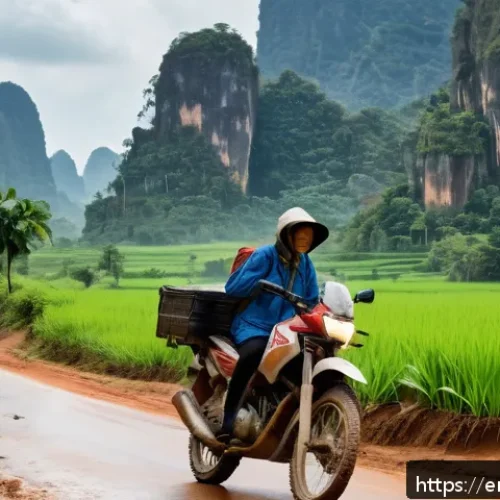
Roads can be poorly maintained, especially in rural areas. If you’re renting a motorbike, wear a helmet and be aware of the local traffic laws. Drive defensively and be prepared for unexpected obstacles, like potholes, livestock, or other vehicles.

Enjoy your trip to Laos! It’s an incredible country with so much to offer. Just remember to prepare properly, respect local customs, and stay safe and healthy.

Wrapping Up

So there you have it – a comprehensive guide to navigating your arrival in Laos! With a little preparation and respect for local customs, you’ll be well on your way to an unforgettable adventure. Safe travels, and enjoy the beautiful country of Laos!

Remember to double-check the latest information from official sources before you go, as things can change. Happy travels!

Useful Tips to Know

1. Pack light clothing suitable for hot and humid weather. Breathable fabrics like cotton or linen are your best bet.

2. Bring a universal adapter for your electronics, as Laos uses multiple plug types (A, B, C, E, and F).

3. Learn a few basic Lao phrases. Even a simple “Sabaidee” (hello) and “Khop chai” (thank you) will be appreciated.

4. Download useful apps like Google Translate, Maps.me (for offline maps), and a currency converter.

5. Pack a small first-aid kit with essentials like pain relievers, antiseptic wipes, bandages, and any personal medications.

Key Takeaways

* Visa: VOA is convenient, but confirm current requirements and fees. * Customs: Declare items properly; avoid prohibited items. * Money: Carry cash (USD and LAK); exchange strategically.

* Health: Get necessary vaccinations; stay hydrated and eat safely. * Culture: Respect local customs; dress modestly and be polite.

Frequently Asked Questions (FAQ) 📖

Q: What documents do I absolutely need to have ready when I arrive in Laos?

A: Okay, so from my experience, having your passport with at least six months of validity is non-negotiable. Trust me, they will check! You’ll also need a visa, which you can often get on arrival (VOA) at major airports.
I remember fumbling around for my passport photos the first time – definitely have a couple handy, just in case. Plus, having the cash ready for the visa fee saves you time and stress.
Don’t forget proof of onward travel; a printed plane ticket works great. I once saw a guy held up because he only had a screenshot on his phone – not worth the risk!

Q: Can I really get a visa on arrival, or should I arrange it beforehand?

A: Okay, here’s the thing about the visa on arrival (VOA): it’s usually pretty straightforward, but there’s always that slight chance something could go sideways.
From my experience, it’s generally fine, especially at the bigger airports like Vientiane or Luang Prabang. That said, if you’re the kind of person who likes to have everything nailed down in advance (like my friend Sarah who travels with a color-coded itinerary!), then getting an e-visa beforehand might give you some peace of mind.
I’ve heard stories of longer waits or even technical glitches with the VOA process, so weigh your options! For me, the VOA was convenient, but it depends on how much you value a guaranteed hassle-free start to your trip.

Q: What’s the deal with customs forms and what kind of stuff should I declare?

A: Ah, the customs form – that little piece of paper that can feel like a pop quiz after a long flight! Basically, they’re looking for anything you might be importing that’s restricted or taxable.
I remember being super careful to declare a bottle of fancy bourbon I was bringing as a gift for a friend. Generally, you need to declare large amounts of cash (usually over $10,000 USD equivalent), anything for commercial purposes, or things like weapons or illegal drugs (obviously!).
If you’re carrying prescription medication, it’s a good idea to have a copy of your prescription, just in case. Honestly, just be truthful and you’ll be fine.
They’re mostly looking for the big stuff, not your souvenir t-shirts!